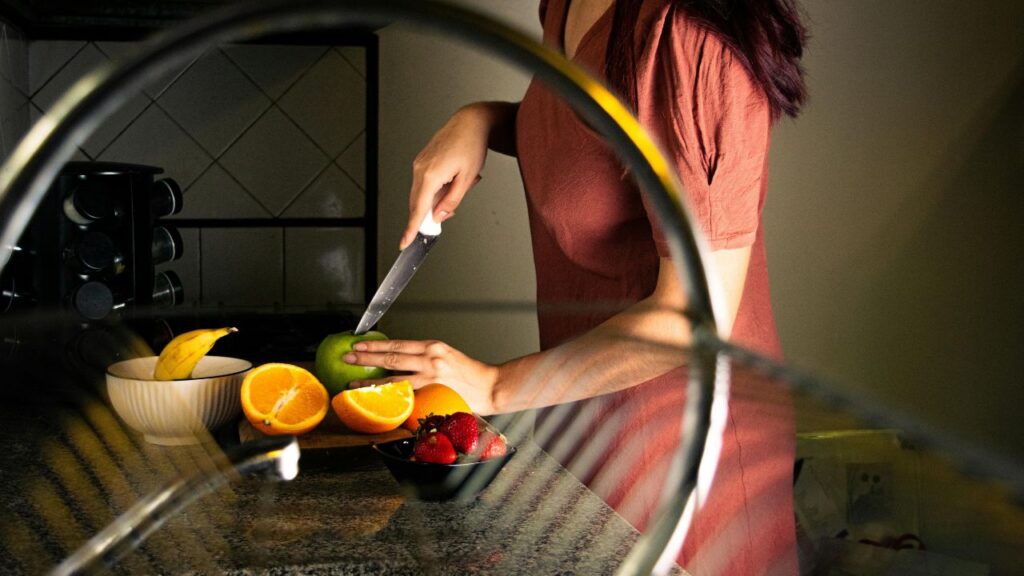
Carryover cooking is a natural process where food continues to cook after it’s removed from the heat source. This happens because the outer layers of the food are hotter than the inside. When the food rests, the heat transfers to the cooler parts. It’s most noticeable in meats like steaks, roasts, and poultry. Knowing how carryover cooking works can help you avoid overcooking your food and achieve the perfect level of doneness. As you let your food rest after cooking, it gives the juices time to redistribute and results in better texture and flavor. This process is crucial, especially when cooking thicker cuts of meat. It’s important to understand how much the temperature rises during this phase to get the perfect result every time.
Why Carryover Cooking Matters for Meat
Meat is one of the foods most affected by carryover cooking. When cooking a steak or roast, the internal temperature will continue to rise after it’s removed from the grill or oven. This is important for achieving the desired level of doneness. For example, if you pull a steak off the grill at 130°F for medium-rare, it might reach 135°F while resting. That extra few degrees make a big difference in flavor and texture. To get the right level of doneness, it’s key to pull the meat slightly earlier than you think. Knowing how much carryover impacts your meat can prevent it from becoming overcooked or dry.
How Carryover Cooking Affects Cooking Times
Carryover cooking can significantly change the way you think about cooking times. Since food continues to cook after it’s taken off the heat, you may need to adjust your initial cooking time. For example, if you’re roasting a chicken, you may want to take it out of the oven when it’s a few degrees shy of your target temperature. This gives the chicken a chance to reach the ideal doneness while resting. Many cooks also use a meat thermometer to keep track of the temperature during this resting period. Understanding how cooking affects cooking times can help you better plan the rest of your meal. With practice, you’ll get a feel for how long to rest different types of foods for the best results.
Managing Carryover Cooking for Roasts and Poultry
Roasts and poultry benefit greatly from carryover. These larger cuts of meat, like beef roasts or whole chickens, can continue cooking for several minutes after they’re taken off the heat. For a roast, the internal temperature can rise by 10°F or more during resting. By understanding this, you can better control the final result. For example, if you’re roasting a turkey and you pull it out of the oven when it hits 160°F, it will likely continue cooking up to 165°F, the safe internal temperature for poultry. Letting the meat rest ensures that the juices redistribute throughout, leaving you with a juicy, flavorful roast.
How Carryover Cooking Works for Baked Goods
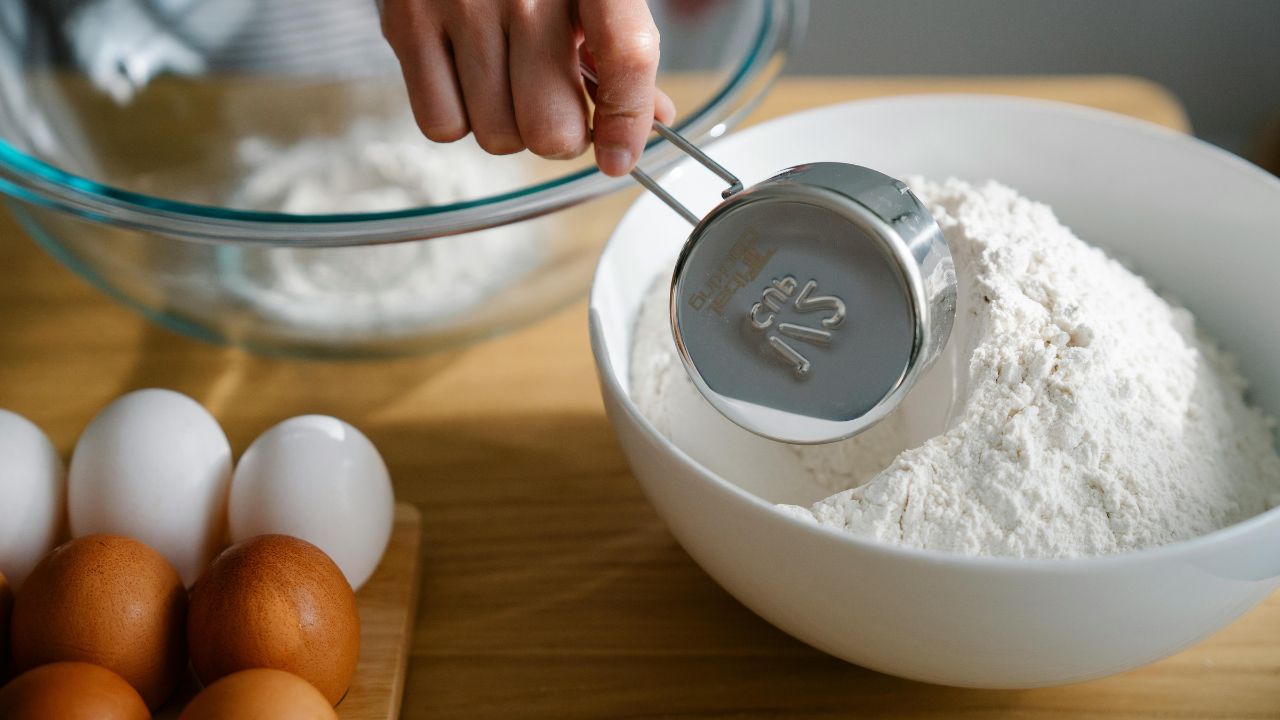
Carryover cooking isn’t just for meat—it also applies to baked goods. When you remove a cake, bread, or cookies from the oven, the residual heat in the pan and from the outer layers continues to cook the interior. This is why it’s important to let baked goods cool properly, as they may continue baking on the inside, even if the outer layers are no longer in the oven. For example, cookies may still firm up as they cool on the baking sheet. Similarly, a cake might continue cooking after being removed from the oven. Knowing how carryover affects baked goods can help you avoid overbaking and ensure that they are perfectly done.
The Role of Resting Time in Carryover Cooking
Resting time is one of the most important aspects of carryover cooking. After removing food from the heat, it’s crucial to let it rest for several minutes. This resting period allows the food’s internal temperature to rise and settle. It also gives the juices in meats time to redistribute, making the food more flavorful and moist. For meat, resting usually takes 5 to 15 minutes, depending on the size of the cut. A smaller piece like a steak might only need a few minutes, while larger roasts could benefit from up to 20 minutes of resting. Always factor in resting time when planning your cooking schedule, as it can affect both the texture and flavor of your meal.
How to Use Carryover Cooking to Your Advantage
One of the best ways to use carryover to your advantage is by pulling food off the heat a few degrees before it reaches the target temperature. For instance, if you’re cooking a steak to medium-rare (130°F), take it off the grill when it hits 125°F, and let the carryover cooking bring it to the desired temperature. You can also factor in carryover cooking when preparing a large meal. By understanding how much the temperature will rise while the food rests, you can avoid overcooking and serve perfectly cooked dishes. This technique works not just for meats but also for things like roasted vegetables or casseroles.
Carryover Cooking and Temperature Monitoring
Monitoring the temperature of your food is key to understanding or cooking. A meat thermometer is an excellent tool to track the internal temperature of meats and ensure you pull them off the heat at the right time. With a thermometer, you can be confident that the cooking will bring the temperature to your target level. Many chefs recommend checking the temperature of your food while it rests, especially for large cuts of meat. This allows you to track how much the temperature rises and adjust your cooking strategy accordingly. Using a thermometer effectively ensures that your food is perfectly cooked, no matter the carryover effects.
Adjusting for Different Types of Meat
Different types of meat experience varying levels of carryover cooking, so it’s important to adjust your cooking techniques accordingly. For instance, steaks and chicken breasts might only rise a few degrees during resting, while larger roasts like beef or lamb can increase in temperature by up to 10°F. Understanding these differences helps you plan your cooking times better and avoid overcooking. When working with different meats, always keep an eye on the thermometer. It’s also a good idea to factor in the thickness of the meat. Thicker cuts will retain more heat and continue to cook longer than thinner cuts. By adjusting for these variables, you can ensure your meat is always cooked to perfection.
Common Mistakes to Avoid with Carryover Cooking
One common mistake when it comes to carryover is not accounting for the temperature rise when removing food from the heat. For example, pulling a roast out of the oven too late can result in overcooked meat. To avoid this, always pull meat off the heat a little before it reaches your target temperature, especially for thicker cuts. Another mistake is not allowing enough resting time. Cutting into meat too soon can cause all the juices to run out, leaving the meat dry. It’s crucial to let food rest to allow the carryover cooking to work its magic. By being aware of these mistakes, you can avoid overcooking and ensure perfectly cooked meals every time.
Carryover Cooking vs Cooking on Heat
| Feature | Carryover Cooking | Cooking on Heat |
| When it Happens | After food is removed from heat | While food is on a stove, grill, or oven |
| Heat Source | Stored internal heat | Direct heat from fire, gas, or electricity |
| Temperature Change | Temperature continues to rise slowly | Temperature rises quickly and directly |
| Control Level | Less control, happens naturally | Full control by adjusting heat |
| Best Affected Foods | Large meats, roasts, poultry, baked goods | All foods during active cooking |
| Risk if Ignored | Overcooking and dryness | Burning or uneven cooking |
| Role of Resting | Essential for finishing cooking properly | Not required during active cooking |
| Goal | Reach final doneness gently | Cook food to near-done state |
Mastering Carryover Cooking for Perfect Results
Carryover cooking is a simple yet essential concept for achieving perfectly cooked food. Whether you’re grilling steaks, roasting chicken, or baking desserts, understanding how residual heat continues to cook your food after it’s removed from the heat can make all the difference. By factoring in carryover and adjusting your timing, you can avoid overcooking and ensure every meal is juicy, flavorful, and tender. Whether you’re an amateur cook or a seasoned pro, mastering carryover will take your culinary skills to the next level.
FAQs
1. What is carryover cooking in simple terms?
Carryover cooking means food keeps cooking even after you remove it from heat because the heat inside continues spreading.
2. How much does food cook during carryover cooking?
Most foods rise about 5–10°F while resting, but large cuts of meat can increase even more.
3. Does carryover cooking only apply to meat?
No, carryover cooking also affects baked goods, casseroles, and even roasted vegetables.
4. Why is resting food important after cooking?
Resting allows carryover cooking to finish the process and helps keep food juicy and flavorful.
5. How can I prevent overcooking because of carryover cooking?
Remove food from heat a few degrees early and let it rest until it reaches the final temperature.