The success of any peach puff pastry starts with picking the right fruit at the peak of its ripeness to ensure maximum sweetness and juice. You want a peach that is slightly soft to the touch but still holds its shape when sliced, as mushy fruit will make the dough soggy during the baking process. In 2026, many bakers are experimenting with different varieties like doughnut peaches or white flesh peaches to add subtle floral notes to their tarts. If fresh peaches aren’t in season, you can easily use frozen slices, provided you thaw them and pat them dry to remove excess moisture before assembly. Freestone peaches are generally easier to work with because the pit pops out cleanly, allowing you to create beautiful, uniform slices for a professional look. Taking a moment to smell the fruit is the best test. It will taste incredible in your pastry.
Preparing the Perfect Golden Flaky Crust
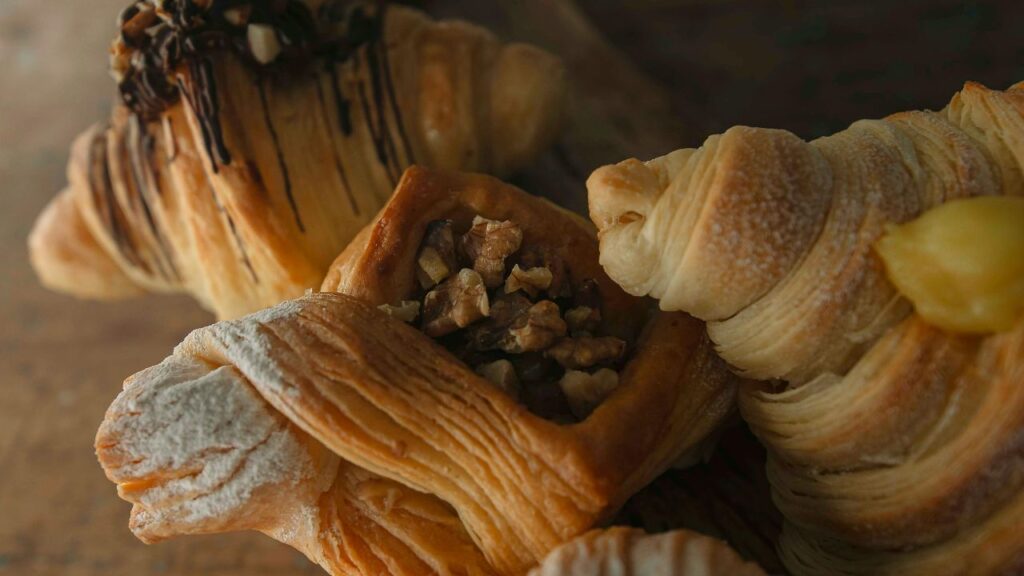
Working with frozen puff pastry dough requires a bit of patience and temperature control to achieve those iconic, sky-high layers that shatter when you bite into them. You should always thaw the dough in the refrigerator overnight rather than on the counter to keep the butter inside from melting before it hits the oven. Once the dough is pliable, use a sharp knife or a pastry wheel to score a border around the edge, which allows the outer rim to rise while the center stays flat to hold the fruit. Many modern recipes suggest brushing the edges with an egg wash and sprinkling them with coarse sugar for an extra-crunchy texture and a shimmering golden finish. When the cold butter hits the hot oven, it creates steam, which is exactly what lifts the dough into light, airy flakes.
Enhancing Flavors with Sweet Fruit Tart Toppings
While the fruit and dough are the stars, adding sweet fruit tart toppings can elevate your dessert from simple to sophisticated with just a few extra ingredients. A thin layer of cream cheese, almond paste, or even a simple vanilla bean custard spread on the dough before adding the peaches acts as a delicious barrier. This layer not only adds a creamy contrast to the crunch of the pastry but also prevents the fruit juices from making the bottom of the tart soft. In 2026, many home cooks are adding a drizzle of hot honey or a sprinkle of fresh thyme to add a “sweet and savory” twist that is very popular in modern cafes. A dash of cinnamon or cardamom can also warm up the flavor profile, making it a perfect transition dessert for late summer and early autumn.
Baking Secrets for a Crispy Bottom
The biggest challenge when making a peach puff pastry is avoiding the dreaded “soggy bottom” caused by the high water content in the fruit. To prevent this, many expert bakers recommend pre-heating your baking sheet or using a pizza stone to provide an immediate burst of heat to the underside of the tart. You can also sprinkle a thin layer of breadcrumbs or crushed cookies over the dough before laying down the peaches to help absorb any escaping juices. Another 2026 tip is to bake the pastry on a perforated silicone mat, which allows air to circulate underneath and ensures an even, dark golden brown color across the entire base. If your peaches are particularly juicy, you might want to toss them in a little bit of cornstarch or flour first to thicken the liquids as they cook.
Modern Presentation and Serving Styles
When it comes to serving your homemade fruit pastries, the way you present them can make the dining experience feel much more luxurious and thoughtful. Instead of making one large tart, consider cutting the dough into individual squares or circles to create personalized galettes that are easy for guests to pick up and eat. In 2026, “rustic-chic” is the dominant style, so don’t worry about making every edge perfect; a slightly uneven, hand-folded look adds to the charm of a homemade dessert. Serving the pastries warm with a scoop of high-quality vanilla bean ice cream creates a “melting” effect that creates a natural sauce for the flaky crust. For a pop of color, garnish the plate with a few fresh mint leaves or some edible flowers to make the orange hues of the peaches stand out even more.
Peach Puff Pastry Comparison Table
| Ingredient Component | Best Choice | Why it Works | 2026 Trend Tip |
| Pastry Type | All-Butter Puff Pastry | Provides the best flavor and highest rise. | Look for “Artisan” or “Small Batch” labels. |
| Peach Variety | Freestone Yellow Peaches | Easy to pit and holds shape during baking. | Use “Grilled” peaches for a smoky depth. |
| Sweetener | Brown Sugar or Honey | Adds a deep, caramelized color and flavor. | Try Maple Syrup for an autumnal twist. |
| Texture Add-on | Sliced Almonds | Adds a nutty crunch that matches the fruit. | Use “Salted” nuts for flavor contrast. |
| Glaze | Apricot Jam | Gives a professional, high-shine finish. | Mix jam with a splash of Bourbon or Rum. |

Storing and Reheating Your Sweet Treats
If you happen to have leftovers, knowing how to store your peach puff pastry is essential for maintaining that delicate, layered texture for the next day. Puff pastry does not do well in the refrigerator because the humidity can make it lose its snap almost instantly; it is best kept in an airtight container at room temperature for up to 24 hours. When you are ready to enjoy another slice, avoid the microwave at all costs, as it will turn the crisp dough into a chewy, tough mess. Instead, pop the pastry back into a toaster oven or a traditional oven at 350°F for about five minutes to revive the butter and crisp up the edges. This simple reheating method restores the “fresh-baked” quality, making the pastry taste just as good as the moment it first came out of the oven.
FAQs
1. Can I use canned peaches for this recipe?
Yes, you can use canned peaches if you are in a rush, but make sure to drain them thoroughly and pat them dry with a paper towel. Since canned fruit is already soft and sweet, reduce the baking time slightly and use less added sugar to keep the tart balanced.
2. Why didn’t my puff pastry rise?
The most common reason is that the dough became too warm before going into the oven, or the oven wasn’t hot enough. Make sure your oven is fully pre-heated to at least 400°F and keep your assembled pastries in the fridge until the very second you are ready to bake.
3. Do I need to peel the peaches?
Peeling is entirely optional! Many people enjoy the rustic look and added texture of the peach skin, which softens significantly during baking. However, if you prefer a smoother mouthfeel, you can quickly blanch the peaches in boiling water to slip the skins off easily.
4. How do I prevent the fruit from sliding off the pastry?
When you score your border, make sure not to cut all the way through the dough. If you place the fruit within the “inner rectangle” and use a thin layer of cream or jam as an adhesive, the rising edges of the pastry will act as a natural wall to keep the peaches in place.
5. Can I make this recipe vegan?
Absolutely! Most “frozen” puff pastries found in grocery stores are actually vegan because they use vegetable oils instead of butter. Simply swap the egg wash for a little almond milk and sugar, and ensure your toppings are plant-based to enjoy a delicious vegan version.