
The term “roasted egg” refers to eggs that are cooked using dry heat, typically inside an oven, over open flames, or in hot embers. Unlike boiled or fried eggs, roasted eggs develop a slightly smoky flavor and a firmer, creamier texture. This cooking method has been used for centuries in various cultures, especially in rural settings where open-fire cooking was common. Today, roasted eggs are gaining popularity for their rich taste, versatility, and ease of preparation. Roasting eggs may sound simple, but the results can be surprisingly complex. The gentle heat surrounds the egg evenly, allowing it to cook slowly and develop deeper flavors. Whether roasted in the shell or cracked into a baking dish, eggs prepared this way offer a comforting, hearty option for breakfast, lunch, or dinner.
The History and Cultural Significance of Roasted Egg
Eggs have been a staple food across civilizations for thousands of years. From ancient Roman kitchens to traditional Asian street markets, eggs have been prepared in countless ways. Roasting eggs, in particular, was a practical method in regions where ovens or hot ashes were readily available. Farmers and travelers would place eggs near hot coals, letting them cook gradually while tending to other tasks. In some Asian countries, roasted eggs are a common street snack, often cooked in large metal drums filled with heated sand or salt. In rural European communities, eggs were sometimes tucked into bread ovens after baking loaves, using the residual heat to cook them perfectly. These traditions highlight how roasted egg dishes evolved naturally from available cooking methods and local resources.
How Roasting Changes the Texture and Flavor
Roasting transforms eggs in subtle but important ways. When exposed to steady dry heat, the proteins in the egg white and yolk coagulate evenly. This results in a tender white and a yolk that can range from soft and jammy to fully set, depending on the roasting time. Unlike boiling, which can sometimes lead to rubbery whites if overcooked, roasting allows for more gradual heat penetration. The flavor often becomes slightly nutty or smoky, especially if roasted in the shell over open flames. Additionally, roasting eggs alongside vegetables or meats allows them to absorb surrounding aromas, enhancing their overall taste. The Maillard reaction, which occurs when proteins and sugars are exposed to heat, can also contribute to subtle browning and added depth of flavor, particularly when eggs are roasted outside their shells in a dish.
Popular Methods of Preparing Roasted Egg
There are several ways to prepare roasted egg, each offering a slightly different result. One common method involves placing whole eggs directly on an oven rack at moderate heat. After about 25 to 30 minutes, the eggs are fully cooked and can be peeled once cooled. Another popular approach is cracking eggs into a small baking dish with olive oil, herbs, or vegetables, then roasting them until the whites are set. This method is similar to baked eggs and works well for brunch dishes. For outdoor enthusiasts, roasting eggs in hot embers during camping trips remains a favorite technique. The eggs are carefully nestled into warm ash, where they cook slowly and develop a subtle smoky flavor. This rustic method connects modern cooks with ancient culinary traditions.
Nutritional Benefits of Roasted Egg
Roasted egg retains all the nutritional benefits associated with eggs in general. Eggs are an excellent source of high-quality protein, providing all nine essential amino acids. They are also rich in vitamins such as B12, riboflavin, and vitamin D, along with important minerals like selenium and phosphorus. Because roasting does not require additional water or heavy oils, it can be considered a relatively healthy cooking method. When prepared without excessive added fats, roasted egg dishes are nutrient-dense and satisfying. The natural fats in the yolk contribute to satiety, making eggs a filling choice that may help reduce overall calorie intake. Furthermore, eggs contain choline, a nutrient essential for brain health and cellular function. Incorporating roasted egg into a balanced diet can support muscle maintenance, cognitive performance, and overall well-being.
Roasted Egg in Modern Cuisine
In contemporary kitchens, chefs are rediscovering roasted egg as a versatile ingredient. High-end restaurants often serve slow-roasted eggs with creamy centers atop salads, grain bowls, or roasted vegetables. The presentation is elegant, and the texture provides a luxurious mouthfeel. Home cooks also appreciate the convenience of roasting eggs in batches. Preparing multiple eggs at once in the oven saves time and ensures consistent results. Roasted eggs can be stored in the refrigerator and used throughout the week in sandwiches, wraps, or as protein-packed snacks. Food bloggers and culinary enthusiasts frequently experiment with flavor combinations, adding spices such as paprika, cumin, or chili flakes before roasting. Fresh herbs like thyme or rosemary complement the natural richness of eggs, creating aromatic and visually appealing dishes.
Pairing Roasted Egg with Other Ingredients
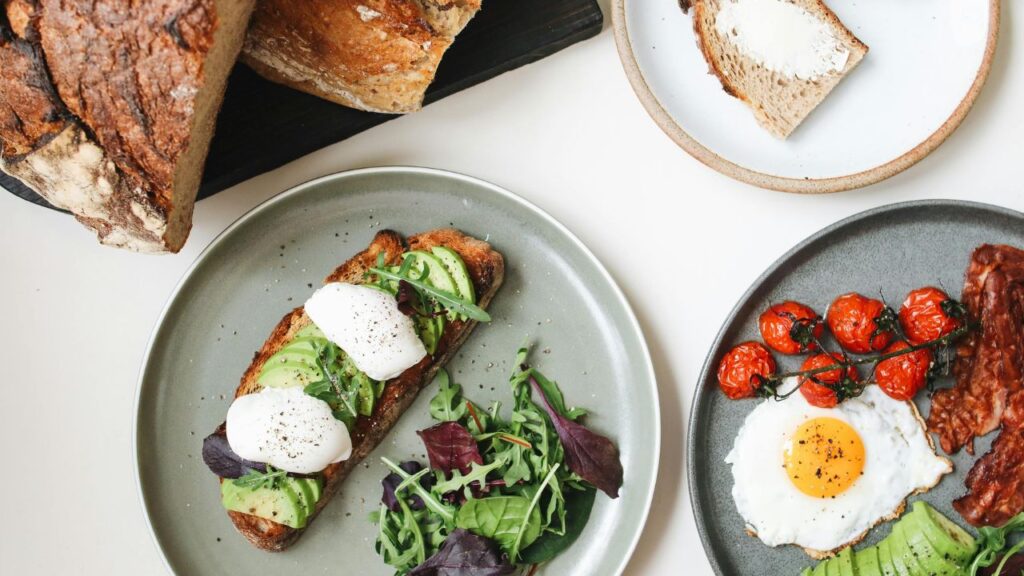
Roasted egg pairs beautifully with a wide variety of ingredients. Vegetables such as asparagus, spinach, tomatoes, and mushrooms complement the egg’s creamy texture. Roasting eggs together with these vegetables creates a cohesive dish where flavors meld harmoniously. Grains like quinoa, farro, or rice also provide a hearty base for roasted egg bowls. The yolk can act as a natural sauce when slightly runny, coating the grains and adding richness. For breakfast, roasted eggs served with crusty bread and avocado make a balanced and satisfying meal. Cheese lovers can sprinkle feta, goat cheese, or shredded cheddar over eggs before roasting. The cheese melts and browns slightly, adding depth and complexity. Meat options such as bacon or sausage can be included for a more indulgent dish, while plant-based eaters can stick to vegetables and legumes for equally satisfying results.
Tips for Perfectly Roasted Egg
Achieving the ideal roasted egg requires attention to temperature and timing. Most ovens should be preheated to around 325°F to 350°F (160°C to 175°C). Cooking times vary depending on whether the egg is in its shell or cracked into a dish. To prevent cracking when roasting in the shell, place eggs in a muffin tin to keep them stable. If roasting cracked eggs, lightly grease the baking dish to avoid sticking. Checking the eggs a few minutes before the expected finish time helps prevent overcooking. After roasting, allow eggs to cool slightly before handling. If peeling shell-on roasted eggs, placing them briefly in an ice bath can make the process easier. Patience and practice will help refine your preferred texture and doneness.
Roasted Egg vs Other Common Egg Cooking Methods
| Feature | Roasted Egg | Boiled Egg | Fried Egg | Scrambled Egg |
| Cooking Method | Cooked using dry heat in oven, embers, or hot sand | Cooked in water (boiling or simmering) | Cooked in oil or butter on stovetop | Beaten and cooked in pan with stirring |
| Heat Type | Indirect, dry heat | Moist heat | Direct heat with fat | Direct heat with fat |
| Texture of White | Firm yet tender | Can become rubbery if overcooked | Crispy edges (if fried hard) | Soft and fluffy |
| Texture of Yolk | Creamy to fully set depending on time | Soft, jammy, or hard | Runny, medium, or hard | Fully mixed with whites |
| Flavor Profile | Slightly smoky, deeper flavor | Mild and clean | Rich due to oil/butter | Creamy and buttery |
| Oil Required | Not necessary (unless cracked in dish) | No | Yes | Yes |
| Ease of Batch Cooking | Excellent for large batches | Good | Limited (pan space dependent) | Limited (pan size dependent) |
| Nutritional Value | High protein, minimal added fat | High protein, no added fat | High protein, added fat from oil | High protein, added fat from butter/oil |
| Best Uses | Salads, grain bowls, meal prep | Snacks, salads, deviled eggs | Breakfast plates, sandwiches | Breakfast dishes, wraps |
| Skill Level Required | Easy to moderate | Easy | Easy | Moderate (for perfect texture) |
Creative Variations of Roasted Egg
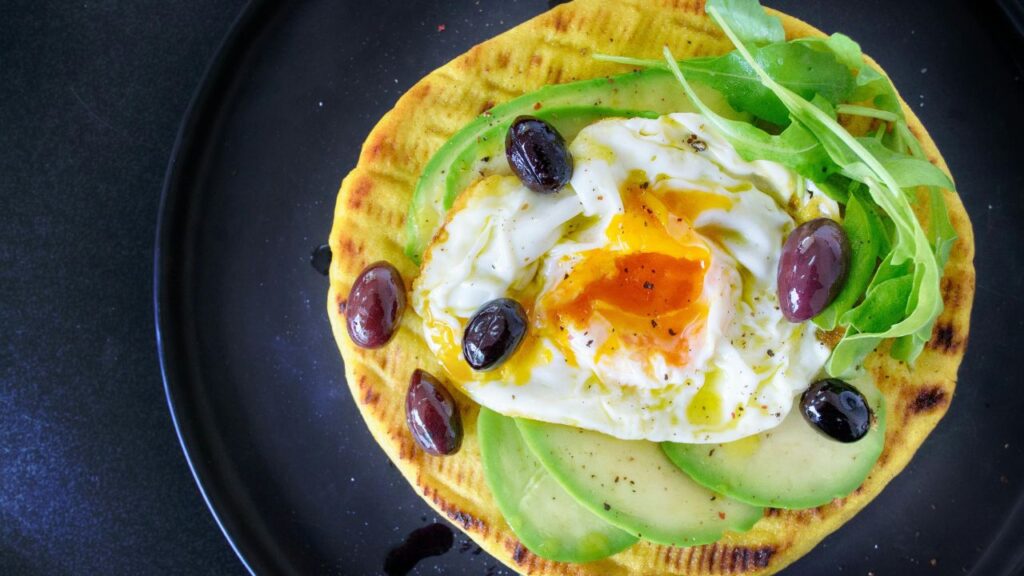
There are endless creative variations of roasted egg dishes. Shakshuka-style roasted eggs feature a base of spiced tomato sauce baked until the eggs are set. Mediterranean-inspired versions may include olives, roasted peppers, and fresh parsley. For a breakfast twist, eggs can be roasted inside hollowed-out bell peppers or avocados. This method not only enhances flavor but also creates an attractive presentation. In colder months, roasted eggs served over sweet potatoes or root vegetables provide a warm and comforting meal. Some cooks even experiment with soy sauce-marinated roasted eggs, blending Asian flavors with Western roasting techniques. These fusion dishes demonstrate how adaptable and globally inspired roasted egg preparations can be.
FAQs
1. Is roasted egg healthier than boiled egg?
Nutritionally, roasted egg and boiled egg are very similar because both methods can be done without added fats. The main difference comes from preparation style. If roasted without oil, it remains just as healthy as boiling. However, if additional cheese, butter, or oils are added, calorie content increases.
2. How long does it take to roast an egg?
When roasting eggs in their shell at around 325°F to 350°F (160°C to 175°C), it typically takes 25 to 30 minutes for a fully set egg. If cracking eggs into a baking dish, cooking time may vary between 12 to 18 minutes depending on desired yolk consistency.
3. Can you roast eggs directly on an oven rack?
Yes, you can roast eggs directly on an oven rack, but it is safer to place them in a muffin tin to prevent rolling and cracking. Stable placement ensures even cooking and reduces the risk of breakage.
4. Why do roasted eggs sometimes have brown spots on the shell?
Brown spots on the shell can appear due to heat concentration or slight caramelization of natural compounds in the shell. This is normal and does not affect the taste or safety of the roasted egg.
5. Can roasted egg be prepared ahead of time?
Absolutely. Roasted eggs are excellent for meal prep. Once cooled, they can be stored in the refrigerator for up to five days. They can be eaten cold, sliced over salads, or gently reheated for warm dishes.