Rump roast is a flavorful, lean cut of beef that comes from the rear leg of the cow. Because this muscle is used frequently, it develops a firm texture and rich beefy flavor. While it may not be as naturally tender as premium cuts like ribeye or tenderloin, rump roast shines when cooked properly using slow, moist-heat methods or careful roasting techniques. This cut is popular for family dinners, holiday meals, and meal prepping because it is affordable, versatile, and capable of feeding a crowd. With the right preparation, rump transforms into a tender, satisfying centerpiece that delivers deep, savory flavor in every bite.

Why Choose Rump Roast?
Rump roast offers an excellent balance between cost and quality. It is typically more affordable than high-end steaks, making it a practical choice for large gatherings or weekly meal planning. Despite its lower price point, it still delivers a hearty, rich taste that many beef lovers appreciate. Another advantage of rump is its leanness. Compared to fattier cuts, it contains less marbling, which makes it a good option for those who prefer a less greasy texture. However, this also means it requires thoughtful cooking techniques to prevent it from becoming dry or tough. When prepared correctly, rump roast can rival more expensive cuts in both tenderness and flavor.
Understanding the Texture and Structure
Because rump roast comes from a hardworking muscle, it has long, tightly packed muscle fibers. This gives it structure and chew. Cooking methods that break down connective tissue—such as braising or slow roasting—are especially effective in softening the meat. If cooked too quickly at high heat without proper preparation, rump can become tough. That is why understanding the cut’s structure is essential. Low and slow cooking allows collagen to break down into gelatin, resulting in juicy, tender meat. Slicing also plays a critical role. Cutting the roast against the grain shortens the muscle fibers and significantly improves tenderness.
Best Cooking Methods for Rump Roast
Slow roasting is one of the most popular ways to prepare rump . This method involves cooking the meat at a lower temperature for a longer period. It allows heat to gently penetrate the roast, preserving moisture while developing flavor.To slow roast successfully, start by seasoning generously with salt, pepper, and herbs. Searing the exterior in a hot pan before transferring it to the oven enhances flavor through browning. Roast at a moderate temperature until the internal temperature reaches your desired level of doneness. Letting the roast rest after cooking is critical. Resting allows juices to redistribute, ensuring each slice remains moist.Braising combines searing with slow cooking in liquid. After browning the roast, it is partially submerged in broth, wine, or a combination of liquids and then cooked slowly in a covered pot.
Seasoning and Flavor Enhancements
Rump roast has a bold, beefy flavor that pairs well with a wide variety of seasonings. Classic combinations include garlic, rosemary, thyme, and black pepper. These herbs complement the natural richness of the beef without overpowering it. Marinades can also enhance tenderness and flavor. Acidic ingredients like vinegar, lemon juice, or wine help break down muscle fibers while infusing the meat with additional taste. Dry rubs are another excellent option. A blend of salt, spices, and herbs creates a flavorful crust when roasted. Paprika, onion powder, and mustard powder are common additions that elevate the roast’s flavor profile. Rump roast is a dependable, flavorful cut that rewards patience and proper technique. While it may require more attention than tender premium cuts, it offers exceptional value and versatility.
Achieving the Perfect Doneness
Cooking rump roast to the right internal temperature is crucial. Because it is lean, overcooking can quickly lead to dryness. For slicing, many cooks prefer cooking rump roast to medium-rare or medium. This keeps the interior juicy while still allowing the connective tissues to soften during cooking. Using a meat thermometer is the most reliable way to ensure accuracy. After removing the roast from heat, allow it to rest for at least 15 to 20 minutes. During this time, carryover cooking will slightly raise the internal temperature, and juices will redistribute throughout the meat. By choosing the right cooking method, seasoning thoughtfully, monitoring internal temperature, and slicing correctly, you can transform rump roast into a tender, memorable meal. Whether slow roasted for a Sunday dinner, braised for comfort food, or prepared in a slow cooker for convenience, this cut consistently delivers rich, hearty flavor.
The Importance of Resting and Slicing
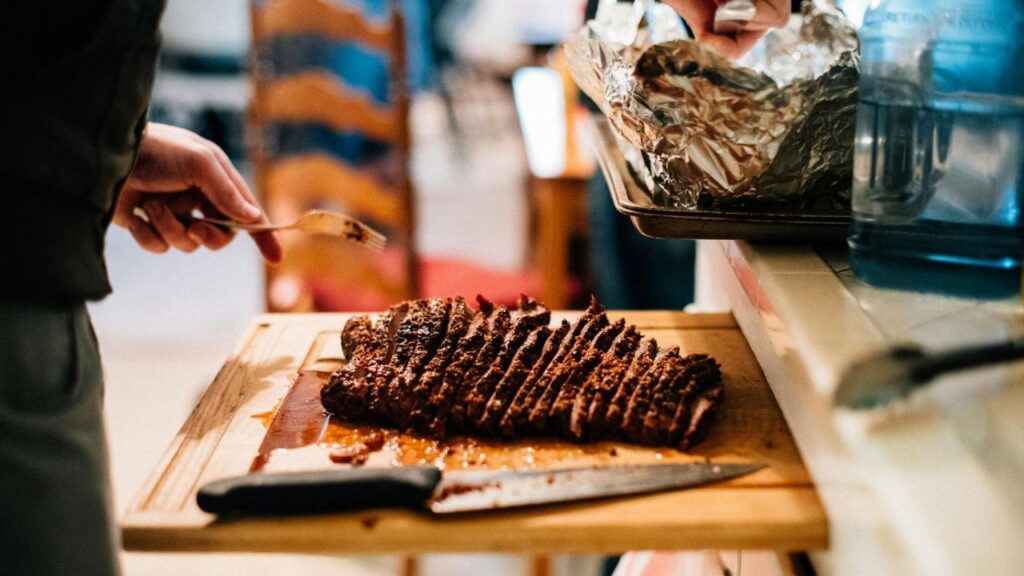
Resting is often overlooked but essential. Cutting into the roast too soon causes juices to escape, leaving the meat dry. Once rested, place the roast on a cutting board and identify the direction of the grain. Slice thinly against the grain to maximize tenderness. Thin slices are particularly important for rump roast due to its firm muscle structure. Proper slicing can make the difference between a chewy experience and a pleasantly tender one. Mastering rump roast opens the door to countless satisfying meals, proving that with the right approach, even hardworking cuts of beef can become extraordinary.
Pairing Rump Roast with Side Dishes
Rump pairs beautifully with classic comfort food sides. Roasted potatoes, mashed potatoes, or buttered egg noodles complement the savory flavors of the beef. Root vegetables such as carrots and parsnips add sweetness and balance. For a lighter contrast, serve the roast with a crisp green salad or steamed vegetables. The freshness offsets the richness of the meat. Sauces and gravies made from pan drippings enhance the overall dish. A simple gravy thickened with flour or cornstarch adds depth and ties all the components together. Moderation and portion control remain important, but rump roast can certainly fit into a healthy eating plan.
Leftover Rump Roast Ideas
One of the advantages of cooking rump roast is having leftovers. Thinly sliced roast beef can be used in sandwiches, wraps, or salads. Adding horseradish sauce or mustard creates a flavorful lunch option. Leftover rump roast also works well in stir-fries, tacos, or beef hash. Because the meat is already cooked, it only needs gentle reheating to prevent drying out. Using leftovers creatively ensures that none of the delicious roast goes to waste. One common mistake is cooking rump roast at too high a temperature for too short a time. This approach does not allow the connective tissue to break down properly, resulting in tough meat.
Rump Roast vs Other Popular Beef Cuts
| Feature | Rump Roast | Chuck Roast | Sirloin Tip Roast | Ribeye Roast |
| Location on Cow | Rear leg (hindquarter) | Shoulder | Front of rear leg (near sirloin) | Rib section |
| Texture | Firm, lean, moderately tough | Well-marbled, connective tissue-rich | Lean and firm | Very tender, highly marbled |
| Fat Content | Low to moderate | Moderate to high | Low | High |
| Best Cooking Methods | Slow roasting, braising, slow cooker | Braising, slow cooking | Roasting, marinating, slicing thin | Roasting at moderate heat |
| Flavor Profile | Rich, beefy, clean taste | Deep, hearty, robust | Mild beef flavor | Rich, buttery, intense |
| Tenderness Level | Medium (when cooked properly) | Tender when slow-cooked | Can be slightly firm | Naturally very tender |
| Price Range | Budget-friendly | Affordable | Moderate | Premium |
| Ideal For | Sliced roast beef, meal prep, family dinners | Pot roast, shredded beef | Deli-style roast beef | Holiday centerpiece roast |
Common Mistakes to Avoid
Another error is skipping the searing step. Browning the exterior adds significant flavor and improves overall texture. Failing to rest the roast is also problematic. Cutting immediately after cooking causes moisture loss, diminishing juiciness.Finally, neglecting to slice against the grain can undo all your careful preparation. Proper slicing is just as important as proper cooking. Rump roast is a good source of protein, iron, zinc, and B vitamins. Its relatively low fat content compared to heavily marbled cuts makes it a leaner option for those watching their fat intake. Protein supports muscle maintenance and overall health, while iron plays a crucial role in oxygen transport within the body. Including rump as part of a balanced diet can provide valuable nutrients alongside satisfying flavor.
FAQs
1. Is rump roast a tough cut of meat?
Rump roast can be firm because it comes from a well-exercised muscle. However, it is not inherently tough when cooked correctly. Slow roasting, braising, or cooking at low temperatures helps break down connective tissue, resulting in tender slices. Cutting against the grain also significantly improves tenderness.
2. What is the best temperature to cook rump roast?
For slicing, many cooks aim for medium-rare to medium doneness. This helps preserve moisture. Using a meat thermometer is the most reliable method. After removing from heat, allow the roast to rest so juices redistribute evenly throughout the meat.
3. Should I sear rump roast before cooking?
Yes, searing is highly recommended. Browning the exterior creates a flavorful crust and enhances the overall taste of the roast. It also improves texture and adds depth to the final dish. Even when using a slow cooker, a quick sear beforehand can elevate the results.
4. Can rump roast be cooked frozen?
While it is possible to cook rump roast from frozen, it is not ideal. Cooking from frozen increases cooking time significantly and can lead to uneven results, with the outside overcooking before the center reaches a safe temperature. For best results, thaw the roast completely in the refrigerator before cooking. This allows for even seasoning, proper searing, and more consistent tenderness.
5. How long should rump roast rest before slicing?
Rump roast should rest for at least 15 to 20 minutes after cooking. Resting allows the internal juices to redistribute throughout the meat instead of spilling out when sliced. For larger roasts, resting up to 25 minutes can improve juiciness even further. Always tent the roast loosely with foil while it rests to help retain warmth without trapping excess steam.