In today’s fast-paced world, finding time to prepare and enjoy a proper meal can feel nearly impossible. Between work deadlines, school runs, meetings, and errands, lunch often becomes an afterthought. However, a quick lunch doesn’t have to mean unhealthy, boring, or unsatisfying. In fact, with the right approach, a quick lunch can fuel your productivity, improve your mood, and keep your energy levels steady throughout the day. Skipping lunch or grabbing heavily processed fast food might save a few minutes, but it often leads to afternoon fatigue and cravings. A well-planned quick lunch, on the other hand, strikes the perfect balance between convenience and nutrition. It gives your body the nutrients it needs without taking up too much of your valuable time.
What Makes a Lunch Truly “Quick”?
A quick lunch is more than just something that takes five minutes to eat. It usually checks three important boxes: minimal preparation time, simple ingredients, and easy cleanup. Ideally, a quick lunch should take no more than 15 to 20 minutes to prepare, and in some cases, even less if you’re using leftovers or pre-prepped ingredients. Another key element is accessibility. A quick lunch often relies on ingredients you already have at home, such as bread, eggs, vegetables, canned beans, or cooked chicken. The fewer steps involved, the more likely you are to stick with preparing your own meals instead of ordering takeout. Finally, a quick lunch should still be balanced. Including protein, fiber, and healthy fats ensures you stay full longer and avoid that mid-afternoon energy crash.
Simple Sandwiches with a Twist
Sandwiches are a classic quick lunch option, but they don’t have to be boring. With just a few creative tweaks, you can transform a basic sandwich into something exciting and satisfying. Start with whole-grain bread, wraps, or even pita pockets. Add a lean protein like turkey, grilled chicken, tuna, or hummus. Layer in fresh vegetables such as spinach, tomatoes, cucumbers, or shredded carrots. Finish with a flavorful spread like mustard, pesto, or mashed avocado. If you have access to a panini press or stovetop, lightly toasting your sandwich can elevate it instantly. The crisp texture combined with melted cheese or warm fillings creates a comforting yet still quick lunch option.
Fresh and Filling Salads in Minutes
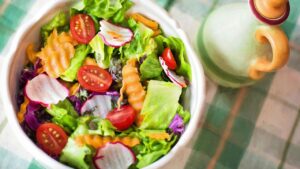
Salads are often associated with long preparation times, but they can actually be one of the fastest meals to assemble. The secret lies in preparation and smart ingredient choices. Pre-washed greens, rotisserie chicken, canned beans, and pre-cut vegetables can significantly reduce prep time. Toss these with a handful of nuts or seeds for crunch and drizzle with olive oil and lemon juice for a simple homemade dressing. You can also prepare salad components in advance. Spend a little time at the beginning of the week washing and chopping vegetables, cooking grains like quinoa or brown rice, and portioning proteins. When lunchtime arrives, all you need to do is combine everything in a bowl for a quick lunch that feels fresh and nourishing.
One-Pan and One-Bowl Wonders
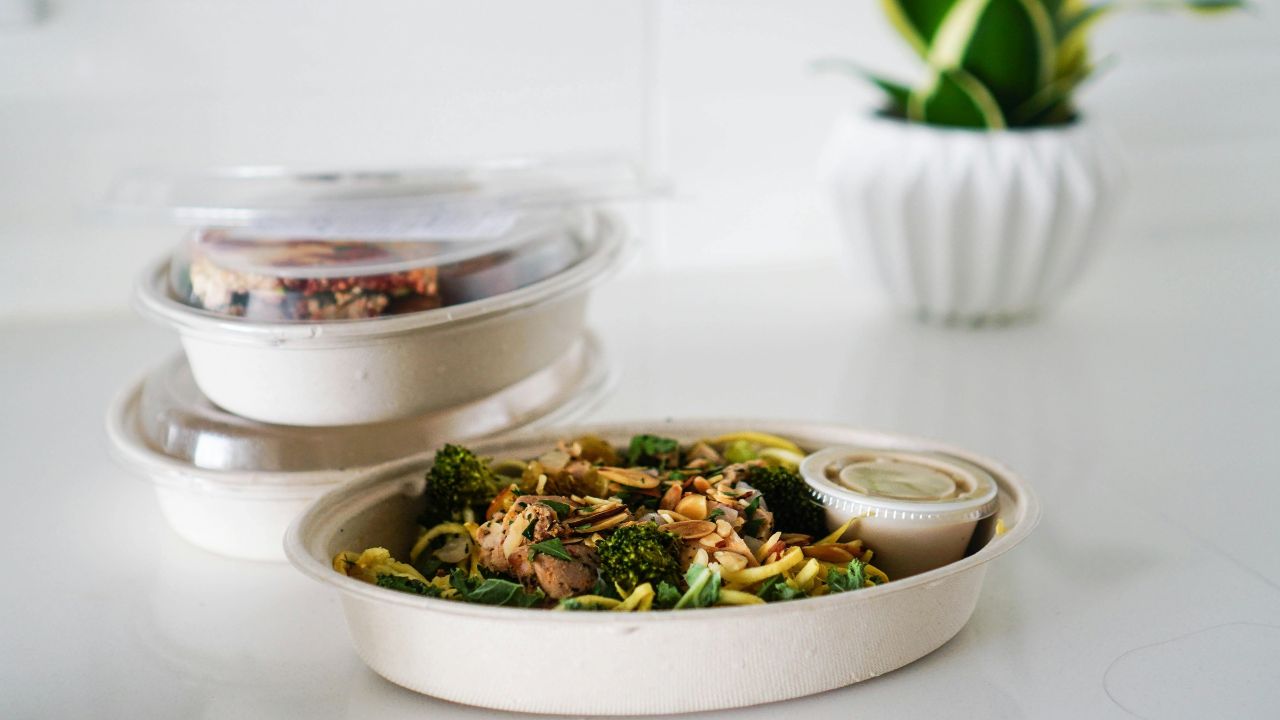
Another effective strategy for a quick lunch is focusing on meals that require minimal equipment. One-pan and one-bowl dishes reduce both cooking and cleaning time. Stir-fries are an excellent example. Using a single skillet, you can sauté vegetables, add a protein like shrimp or tofu, and finish with soy sauce or teriyaki. Serve it over leftover rice for a complete meal in under 20 minutes. Grain bowls are equally versatile. Start with a base such as rice, quinoa, or couscous. Add roasted vegetables, grilled chicken or chickpeas, and a flavorful sauce. The combination of textures and flavors keeps things interesting while remaining quick and simple.
The Power of Leftovers
One of the smartest quick lunch strategies is cooking with intention at dinner. Preparing slightly larger portions in the evening means you’ll have ready-made lunch for the next day. Leftover grilled chicken can become a wrap or salad topping. Extra roasted vegetables can be mixed into pasta or layered into a sandwich. Even soups and stews often taste better the next day, making them an ideal quick lunch solution. By planning ahead, you eliminate the need to cook from scratch every single day. This approach not only saves time but also reduces food waste and makes healthy eating more convenient.
Quick Lunch Ideas for Busy Professionals
For those working in offices or from home, portability and convenience are key. Mason jar salads, bento-style lunch boxes, and meal-prep containers make it easy to transport a quick lunch without spills or mess. Wraps and grain bowls hold up well during travel and don’t require reheating if that’s not available. Yogurt parfaits with granola and fruit can serve as a lighter option when you’re short on time. Hard-boiled eggs paired with whole-grain crackers and sliced vegetables also create a balanced and protein-rich quick lunch. If you work from home, take advantage of your kitchen. Scrambled eggs with spinach on toast or a quick quesadilla with cheese and beans can be prepared in under 10 minutes.

Healthy Doesn’t Have to Mean Complicated
Many people assume that eating healthy requires elaborate recipes and expensive ingredients. In reality, a healthy quick lunch can be incredibly simple. Focus on whole foods whenever possible. Fresh fruits, vegetables, lean proteins, whole grains, and healthy fats form the foundation of a nutritious meal. Combining just three or four wholesome ingredients can create a balanced plate. For example, a bowl of cottage cheese topped with cherry tomatoes and avocado, served with whole-grain toast, offers protein, fiber, and healthy fats. A smoothie made with spinach, banana, protein powder, and almond milk can also serve as a quick lunch when you’re truly pressed for time.
Budget-Friendly Quick Lunch Solutions
A quick lunch doesn’t need to strain your wallet. In fact, preparing meals at home is often significantly cheaper than buying lunch every day. Staple ingredients like rice, pasta, beans, eggs, and frozen vegetables are affordable and versatile. Canned tuna or salmon can be mixed with Greek yogurt and mustard for a simple salad. Peanut butter and banana sandwiches provide protein and natural sweetness at a low cost. Buying ingredients in bulk and planning meals around weekly grocery sales can also help you save money. With a little planning, your quick lunch routine can benefit both your schedule and your budget.
Quick Lunch vs. Traditional Lunch: Key Differences
| Aspect | Quick Lunch | Traditional Lunch |
| Preparation Time | 5–20 minutes | 30–90 minutes |
| Complexity | Simple recipes with minimal steps | Often involves multiple dishes and detailed cooking methods |
| Ingredients | Basic, easily available, sometimes pre-prepped | Fresh, diverse ingredients, sometimes specialty items |
| Cooking Equipment | One pan, microwave, or no-cook options | Multiple pots, pans, and kitchen tools |
| Cleanup Time | Minimal, usually one or two dishes | More extensive cleaning required |
| Portability | Easy to pack and carry (wraps, bowls, salads) | May not always be travel-friendly |
| Cost | Budget-friendly, often made from leftovers | Can be more expensive depending on ingredients |
| Nutrition | Balanced but simplified | Can be highly nutritious but sometimes heavier |
| Purpose | Convenience and time-saving | Leisure, tradition, or family gathering |
| Ideal For | Busy professionals, students, parents | Weekends, holidays, or relaxed schedules |
Meal Prep The Secret Weapon
If you consistently struggle with lunchtime decisions, meal prepping might be the solution. Dedicating one hour on the weekend to preparing ingredients can transform your weekday routine. Cook a batch of grains, roast a tray of vegetables, and prepare a protein source like grilled chicken or baked tofu. Store everything in airtight containers. Throughout the week, mix and match these components for different quick lunch combinations. Meal prep doesn’t mean eating the exact same thing every day. By changing sauces, spices, and toppings, you can create variety without extra cooking time.
FAQs
1. What qualifies as a quick lunch?
A quick lunch is any meal that can be prepared and served in about 20 minutes or less. It typically uses simple ingredients, minimal cooking techniques, and requires little cleanup. Examples include wraps, salads, grain bowls, sandwiches, smoothies, and leftovers from dinner.
2. Can a quick lunch still be healthy?
Absolutely. A quick lunch can be very healthy if it includes a balance of protein, fiber, and healthy fats. For example, combining grilled chicken with vegetables and whole grains creates a nutritious meal without requiring long preparation times. The key is choosing whole foods over highly processed options.
3. How can I make a quick lunch on a tight budget?
You can keep costs low by using staple ingredients like rice, pasta, eggs, beans, canned tuna, and frozen vegetables. Cooking in batches and using leftovers also reduces waste and saves money. Planning meals around grocery sales is another effective strategy.
4. What are the best quick lunch options for work?
Portable meals work best for busy workdays. Wraps, mason jar salads, grain bowls, hard-boiled eggs with vegetables, and yogurt parfaits are easy to transport and don’t always require reheating. Meal prep containers can make packing and organizing even simpler.
5. How can I avoid getting bored with quick lunches?
Variety is the solution. Rotate proteins, switch up sauces and seasonings, and experiment with different vegetables or grains. Even small changes—like adding a new dressing or spice blend—can make a familiar meal feel completely different while still keeping it quick and convenient.