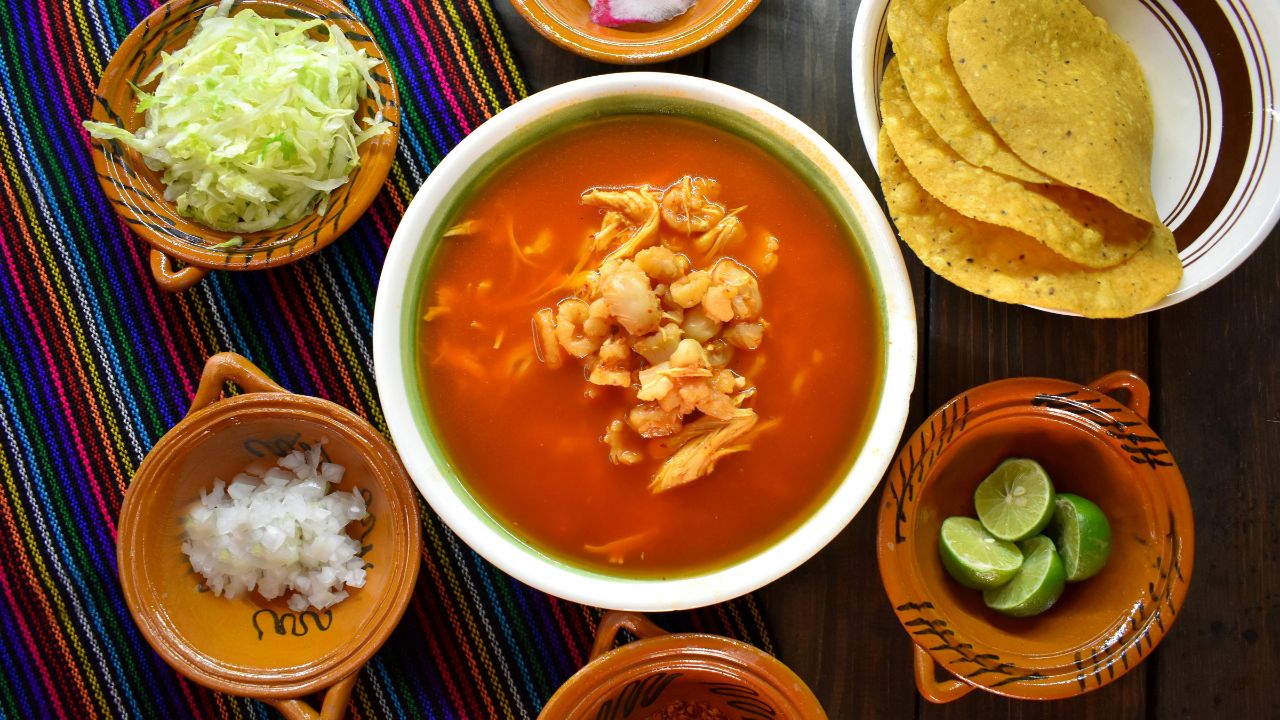
Mexican cuisine is full of bold flavors and rich traditions. Two dishes that stand out in the hearts of many are menudo and pozole. Both of these dishes have deep roots in Mexican culture and have been passed down through generations. They’re more than just meals; they’re an experience. Each dish brings unique flavors, textures, and histories that tell the story of Mexico. Let’s dive into both of these delicious dishes and explore what makes them so special. Pozole is often prepared for special occasions, like holidays, family gatherings, and celebrations. It’s typically served with a variety of toppings such as shredded lettuce, radishes, avocado, and crushed chili flakes. The combination of the tender meat, hominy, and savory broth makes pozole a beloved dish in Mexican culture. Much like menudo, pozole is seen as more than just a meal—it’s a way of bringing people together.
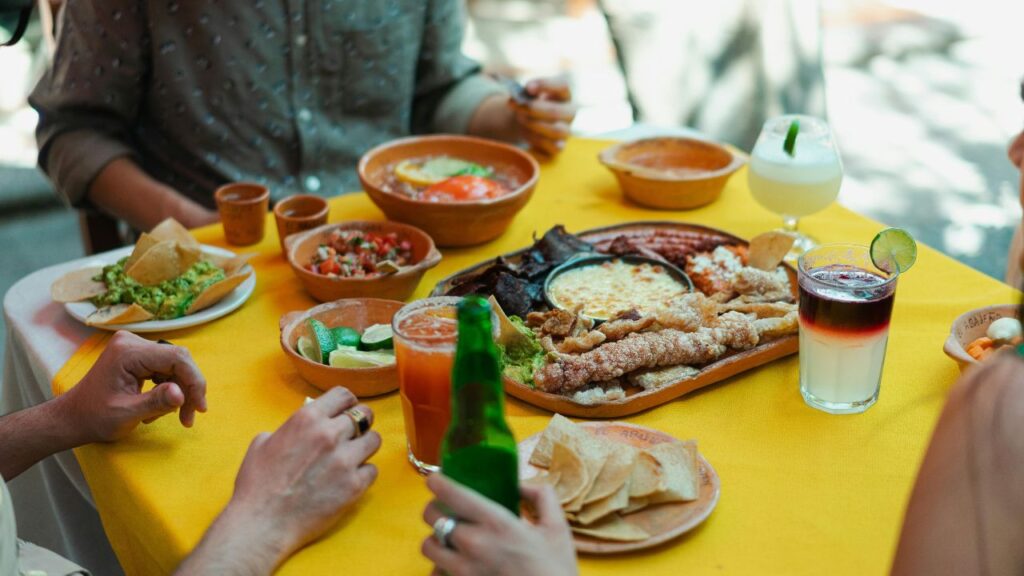
What is Menudo and Pozole?
Pozole is another iconic Mexican dish that shares a similar foundation with menudo, but it has its own distinct characteristics. Pozole is a thick, flavorful soup made with hominy and usually pork or chicken. There are different variations depending on the region of Mexico, such as pozole rojo (red pozole) made with dried chiles and pozole verde (green pozole) made with tomatillos and green herbs. Menudo is a traditional Mexican soup made from beef tripe, which is the stomach lining of a cow. The dish is famous for its flavorful broth, typically seasoned with chili, garlic, and other spices. The rich and hearty soup is often served with hominy, a type of corn kernel that has been treated with an alkali to soften its texture. Menudo is often enjoyed as a comfort food, especially during cold weather or after celebrations.
How Menudo and Pozole Are Similar
At first glance, menudo and pozole may seem quite different, but they share several similarities. Both dishes are stews or soups made with hominy and a flavorful broth. They are staples of Mexican cuisine and often served at family gatherings or large celebrations. Both menudo and pozole have various regional versions, with each area of Mexico putting their unique twist on the dish. For example, while menudo is usually made with beef tripe, pozole can be made with chicken, pork, or even beef in some variations. The seasoning and the choice of meat may differ, but both dishes share the same goal of providing a hearty, comforting meal. Whether you’re enjoying pozole or menudo, you’re indulging in a dish that carries history, culture, and love.
The Nutritional Benefits of Menudo and Pozole
When it comes to nutrition, both menudo and pozole offer several benefits. Menudo, despite being rich in flavors, is surprisingly low in fat when made with lean beef tripe. The hominy adds fiber to the dish, which helps with digestion. Additionally, the broth in menudo is often made from bone marrow, which provides a good source of minerals like calcium and phosphorus. Pozole, on the other hand, is typically made with chicken or pork, both of which are good sources of protein. The hominy in pozole is also packed with fiber, making it a filling and satisfying dish. Both menudo and pozole are rich in vitamins and minerals from the fresh ingredients used, such as garlic, onion, and chilies. While both dishes are hearty and flavorful, they also offer a balance of nutrients that support a healthy diet when consumed in moderation.
The Tradition Behind Menudo and Pozole
Both menudo and pozole are much more than just food in Mexican culture—they are part of a rich tradition. Menudo is often prepared for special occasions, especially during the holidays, and is considered a symbol of family and togetherness. The process of making menudo can be time-consuming, with many families gathering together to cook it in large pots. Pozole has a similar tradition. It’s often made in large batches for gatherings like Christmas, New Year’s, and Mexican Independence Day. Some families even make a day of preparing pozole, with everyone contributing their own touch to the dish. Both menudo and pozole are symbolic of the importance of community and sharing meals with loved ones. They connect generations and preserve the flavors and traditions of Mexican heritage.
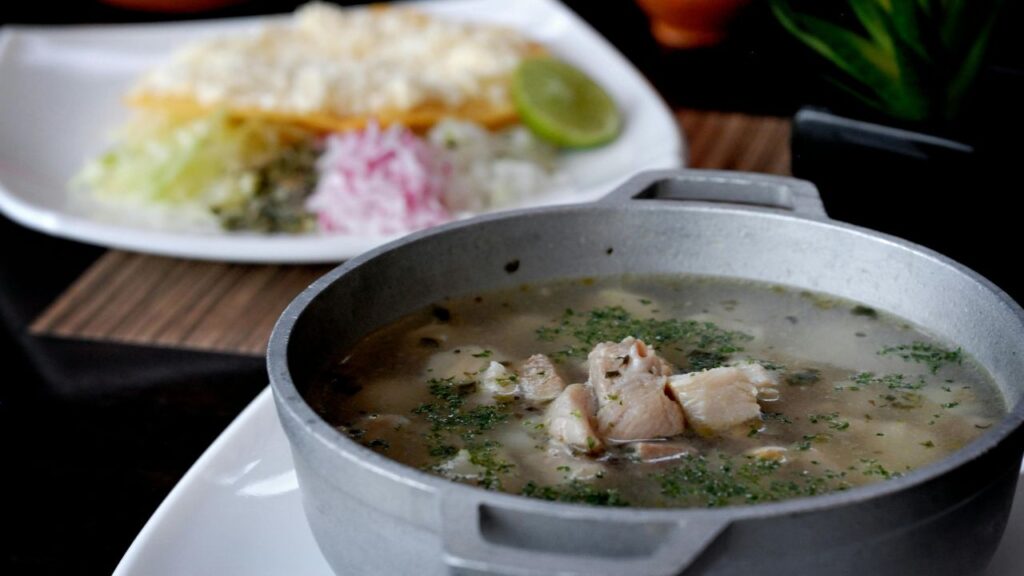
Menudo vs Pozole Which One Should You Try?
Choosing between menudo and pozole can be a tough decision, especially if you’re new to Mexican cuisine. If you’re looking for a dish with a stronger, spicier flavor, menudo might be the better option for you. The beef tripe in menudo gives the dish a unique, earthy taste, while the broth is rich and comforting. On the other hand, if you prefer a dish with a slightly milder flavor and a variety of meat options, pozole may be the way to go. Pozole’s hominy base and savory broth are perfect for those who want a dish that’s both satisfying and delicious. Both dishes are full of flavor and are sure to impress anyone who tries them. Ultimately, whether you choose menudo or pozole comes down to your personal preference and taste.
How to Make Menudo at Home
Making menudo at home might seem intimidating, but it’s easier than you might think. To prepare menudo, you’ll need beef tripe, hominy, garlic, onion, and chili peppers. First, rinse the beef tripe thoroughly and boil it until it’s tender. Then, prepare the broth by sautéing onions and garlic before adding chili powder and other spices. Add the beef tripe and hominy to the broth and cook everything together for several hours, allowing the flavors to meld.Once your menudo is ready, serve it with fresh lime, oregano, and chopped onions for extra flavor. While making menudo does require some time and effort, the result is a comforting, flavorful dish that’s perfect for feeding a crowd.It is also believed that menudo has healing properties, making it a popular choice for hangovers.
How to Make Pozole at Home
Making pozole at home is a relatively simple process and doesn’t require as much time as menudo. To make pozole, you’ll need hominy, meat (usually pork or chicken), garlic, onion, and a variety of spices. Start by simmering the meat with onions and garlic until it’s tender. Then, add the hominy and any seasonings, such as dried chiles, cumin, or oregano. Let the soup cook for a few hours, allowing the flavors to come together. Pozole is usually served with a range of toppings, including shredded lettuce, radishes, lime, and chili powder. The beauty of pozole lies in its versatility—you can adjust the toppings to suit your preferences. Whether you like your pozole spicy or mild, it’s a dish that can be tailored to any taste.
Key Differences Between Menudo and Pozole
| Feature | Menudo | Pozole |
| Main Ingredient | Beef tripe (stomach lining) and hominy | Pork or chicken and hominy |
| Flavor Profile | Spicy, earthy, and rich | Savory, hearty, with a variety of flavors |
| Type of Broth | Thick, spicy, and reddish from dried chilies | Lighter broth, can be red (from chiles) or green (from herbs and tomatillos) |
| Common Toppings | Lime, oregano, chopped onions, chili flakes | Lettuce, radishes, lime, avocado, chili powder |
| Serving Occasions | Often served during holidays, celebrations, or to cure hangovers | Popular for holidays, New Year’s, and family gatherings |
| Cooking Time | Long (up to 4-5 hours) to tenderize beef tripe | Shorter (2-3 hours) depending on meat choice |
| Regional Variations | Common in northern Mexico, often served with red chile broth | Popular nationwide, with different regional variations (red or green) |
| Nutritional Benefits | High in protein, vitamins, and minerals from the broth | High in protein, fiber from hominy, and vitamins from fresh toppings |
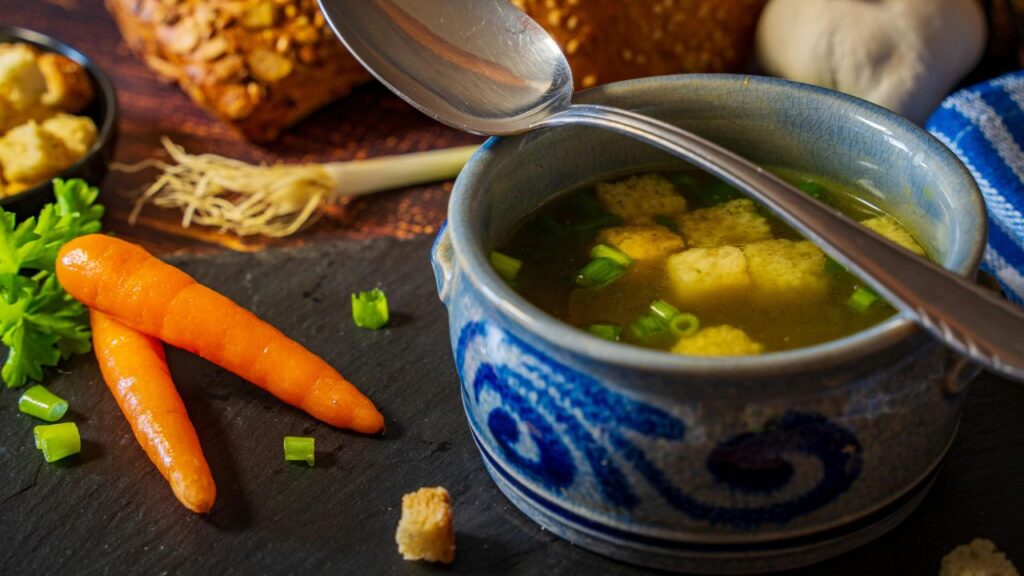
Menudo and Pozole are Loved Across the World
Pozole and Menudo have both become beloved dishes around the world, thanks to their rich flavors and comforting qualities. While these dishes originated in Mexico, they’ve found a home in many other countries as well, particularly in areas with large Mexican communities. The bold flavors of menudo and pozole appeal to people who enjoy hearty, flavorful food that brings people together. The international love for these dishes also comes from the fact that they are so customizable. Whether it’s adjusting the spice level or choosing your preferred type of meat, both menudo and pozole can be made to suit a wide variety of tastes. As the popularity of Mexican cuisine continues to grow, it’s likely that more people will discover the joy of these traditional soups.
FAQs
1. What’s the difference between menudo and pozole?
Menudo is a spicy soup made with beef tripe and hominy, while pozole is a heartier dish made with pork or chicken and hominy. Menudo has a stronger, earthier flavor, while pozole is a bit milder and comes in different variations, like red or green.
2. Is menudo good for hangovers?
Yes! Menudo is often believed to help with hangovers due to its rich broth and spices. It’s a popular dish for those recovering from a night of celebration.
3. Can I make menudo or pozole vegetarian?
Yes, both dishes can be adapted to a vegetarian version. For menudo, you can use plant-based meat alternatives, and for pozole, simply swap the meat for mushrooms, jackfruit, or tofu, while keeping the hominy and seasonings.
4. What toppings should I add to pozole?
Common toppings for pozole include shredded lettuce, radishes, lime, avocado, and chili flakes. You can customize it based on your preference for extra crunch or spice!
5. Can I freeze menudo or pozole?
Yes! Both menudo and pozole freeze well. Just make sure to store them in airtight containers and reheat slowly for the best flavor.