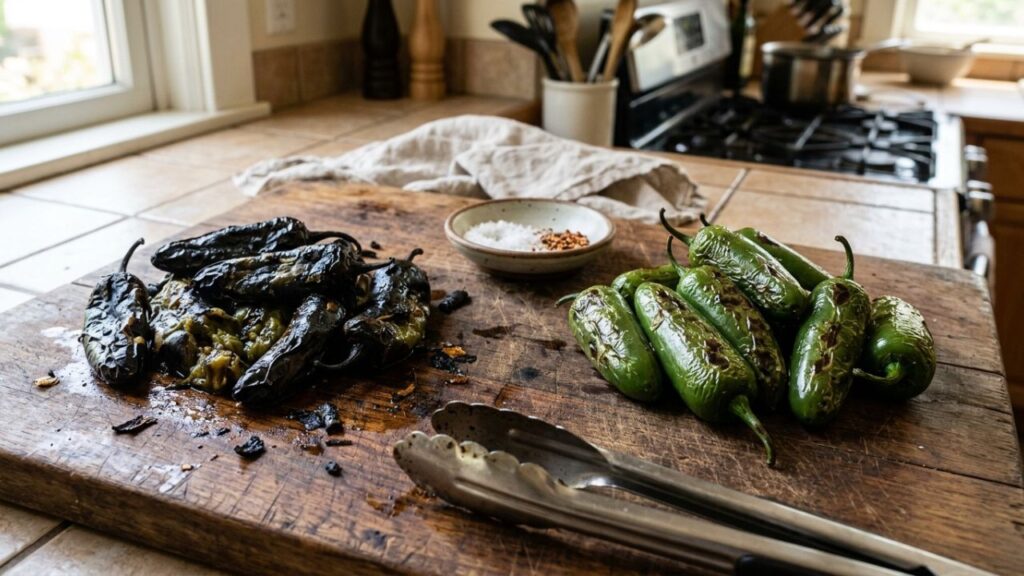
Roasting, grilling, or sautéing jalapeno chiles brings out their smoky, complex flavors while mellowing some of their heat. To roast, place whole chiles under a broiler or on an open flame, turning occasionally until the skin blisters and chars, then peel for a smooth, smoky taste. Grilling works well on a barbecue or grill pan, giving the chiles a slightly sweet, charred aroma perfect for salsas and toppings. For sautéing, slice the chiles and cooking them in a hot skillet with a small amount of oil until tender and fragrant, which enhances their natural flavor while keeping the heat balanced. Each method offers a unique taste and texture, making jalapenos a versatile ingredient for sauces, dips, tacos, or grilled dishes.
What Is a Jalapeno?
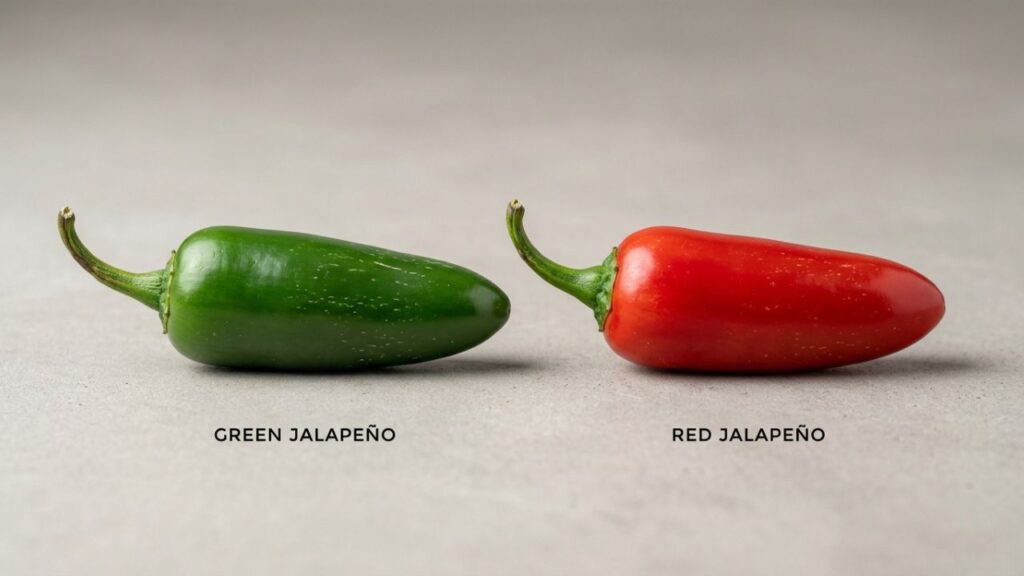
At its core, a jalapeño is a small to medium-sized chili pepper that ranges from bright green to deep red as it ripens. They belong to the Capsicum annuum species and are known for their balanced heat, typically registering between 2,500 and 8,000 Scoville heat units.
Culinary Background
Originating in Mexico, jalapeños have been a staple in Latin American cuisine for centuries. They appear in salsas, stuffed dishes like chiles rellenos, and pickled condiments. Over time, their popularity has spread globally, becoming a favorite in Tex-Mex, American, and fusion cooking.
Flavor Profile
Jalapeños offer a bright, vegetal flavor with a mild to moderate heat. When roasted, they develop smoky undertones, while pickled versions provide tanginess that balances their heat. Their skin is firm, and the flesh is crisp, making them ideal for both raw and cooked applications.
Traditional Preparation
Traditionally, jalapeno chiles are sliced for fresh salsas, roasted for sauces, or stuffed and baked. Seeds can be removed for milder dishes, or left intact for maximum heat. Some cooks also ferment them for complex flavors in hot sauces.
Why Jalapenos Work So Well in Cooking
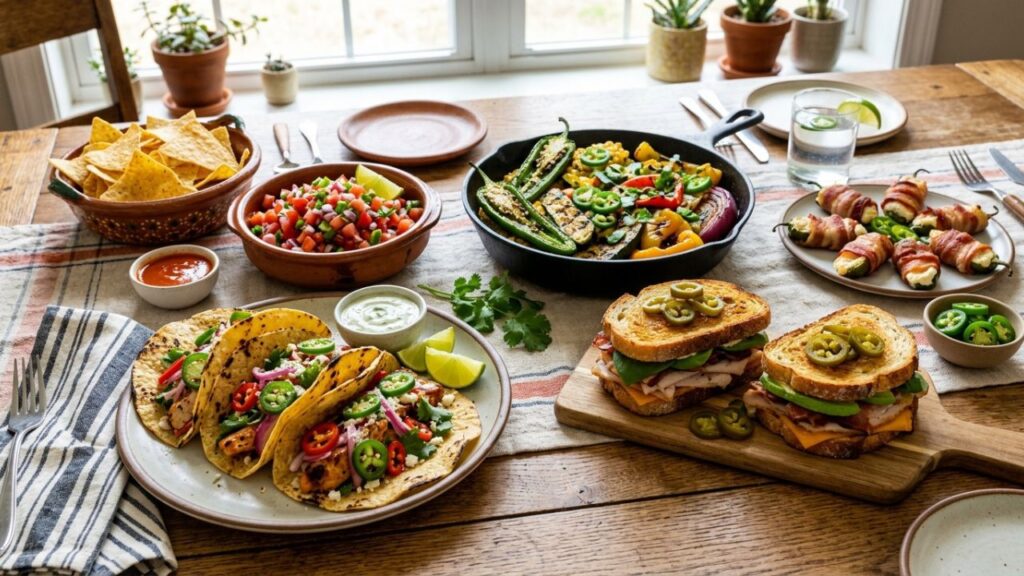
Jalapeno chiles excel at providing heat without dominating other flavors. Their natural brightness complements acidity from tomatoes or lime, while their subtle sweetness balances savory ingredients. This makes them ideal in dishes that aim for flavor harmony rather than sheer spice. Crisp and firm when raw, tender when roasted or sautéed, jalapeños add a satisfying bite to dishes. This texture contrast works beautifully in salsas, stir-fries, and even grilled sandwiches. Nutritionally, they are low in calories but rich in vitamins A and C, along with antioxidants. Capsaicin, the compound responsible for their heat, may aid metabolism and provide anti-inflammatory benefits.
Cooking Techniques
You can grill, roast, sauté, pickle, or even stuff jalapeno chiles. Each method highlights different aspects of the pepper: roasting deepens flavor, pickling adds tang, and sautéing keeps the heat crisp and fresh. Everyday uses include adding a few slices in scrambled eggs, a roasted pepper in soup, or pickled jalapeños on tacos. A jar of quick-pickled jalapeno chiles often becomes the secret ingredient that livens up sandwiches, salads, and grain bowls.
Ingredients Guide – What to Look For
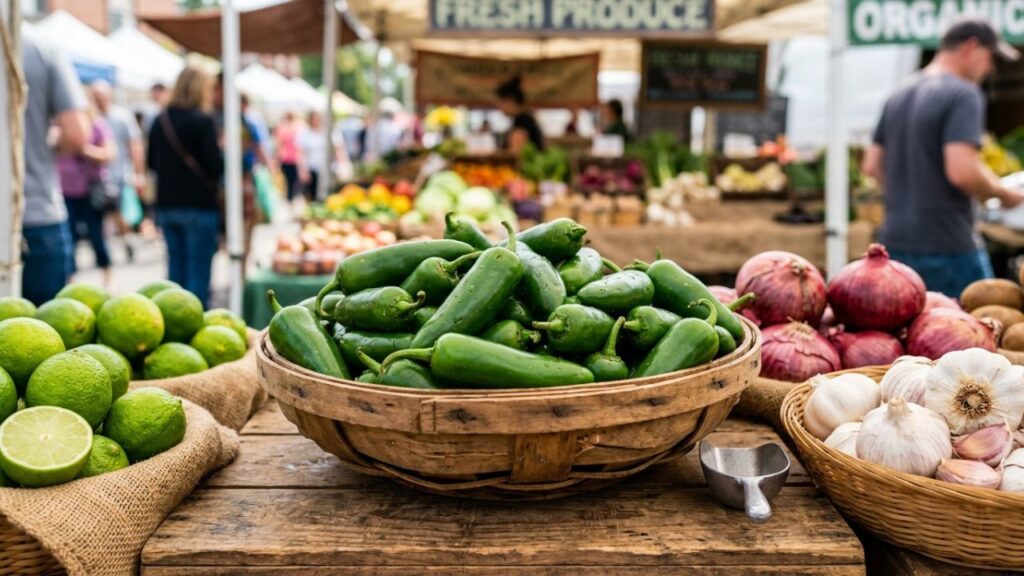
When selecting jalapeno chiles , look for firm, smooth skin without wrinkles. Avoid peppers with dark spots or soft areas. Vibrant green color indicates freshness, though fully red peppers are sweeter and hotter. Substitutions include serrano peppers for more heat, bell peppers for a milder version, and poblano peppers for roasting or stuffing. Jalapenos chiles are generally available year-round, but peak in summer when flavor and heat are most vibrant. Pantry staples that complement jalapeños include garlic and onions for aromatic depth, lime or vinegar for acidity, and olive oil for sautéing or roasting.
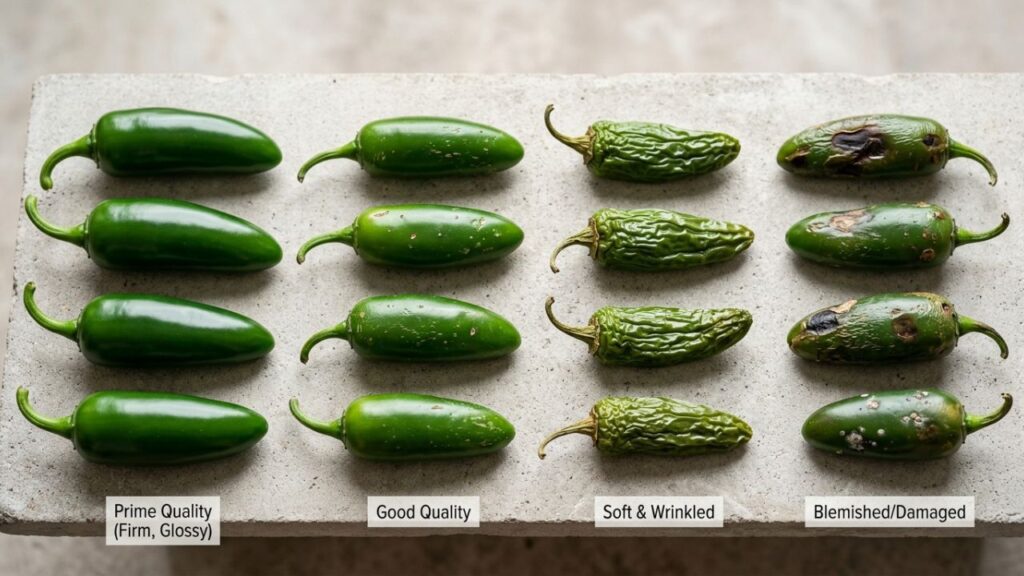
How to Choose the Freshest Jalapeño Chiles for Maximum Flavor
Selecting the right jalapeños is the first step toward a flavorful dish. Look for firm, glossy peppers without wrinkles or soft spots, as these indicate freshness. Bright green jalapeños provide a crisp, balanced heat, while fully red ones are sweeter and slightly hotter. Avoid peppers with dark blemishes, which may be overripe or starting to spoil. For consistent results, choose similar-sized peppers to ensure even cooking, whether roasting, grilling, or sautéing. Fresh jalapeños not only taste better but also retain their texture and nutrients, enhancing every dish they touch.
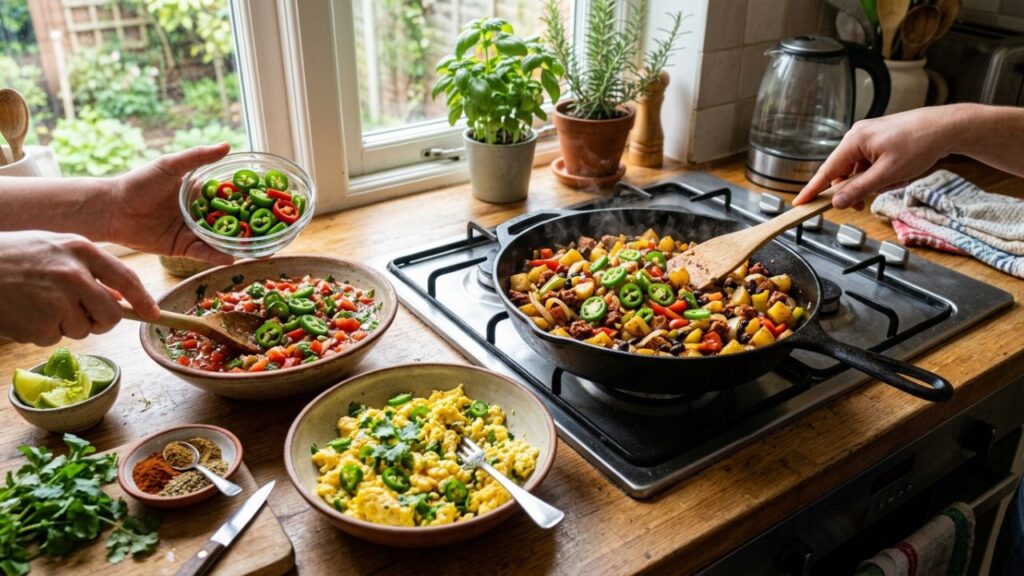
Creative Ways to Enhance Jalapeño Flavor in Cooking
Jalapeños can be transformed by simple cooking techniques to add depth to any meal. Roasting intensifies their sweetness and introduces a smoky undertone, while sautéing softens their bite and releases natural oils. For an extra layer of flavor, try marinating sliced peppers in lime juice, olive oil, and spices before cooking. Mixing roasted jalapeños into sauces, dips, or scrambled eggs can elevate everyday recipes with minimal effort. These approaches balance heat with flavor, allowing the peppers to complement other ingredients rather than overpower them.
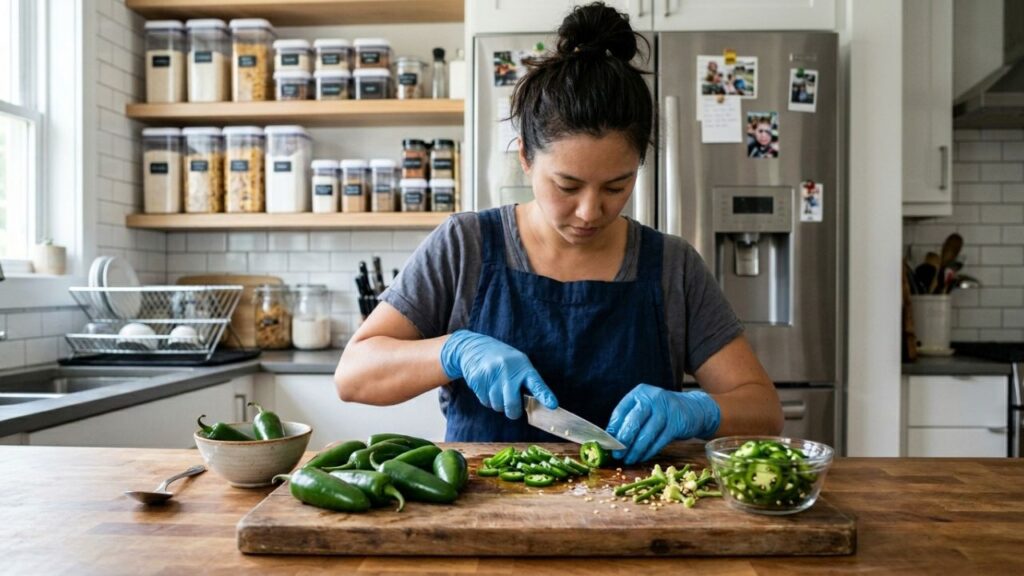
Tips for Safe Handling and Storing Jalapeños
Jalapeños may be fiery, so careful handling is key. Always wash hands thoroughly after touching them, and consider using gloves to prevent skin irritation. Fresh peppers last about one to two weeks in the refrigerator, ideally stored in a paper bag inside the crisper drawer. Roasted or pickled jalapeños can be kept in airtight containers for several weeks. Freezing sliced jalapeños is a great option for long-term storage and ensures you always have these spicy gems ready for sauces, stews, or tacos. Proper handling and storage maintain both flavor and heat without waste.
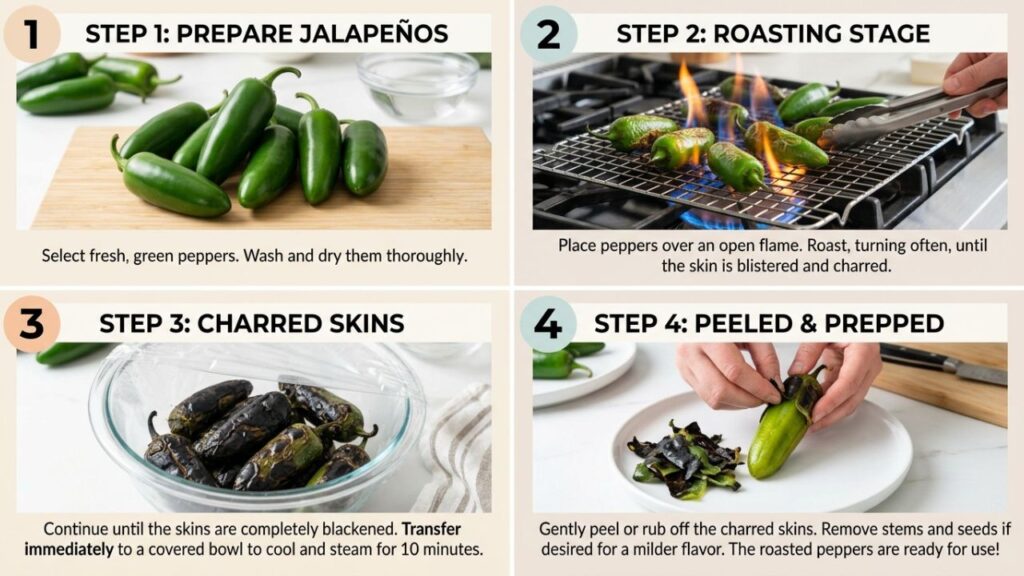
Step-by-Step Cooking Method
Roasting Jalapeños
- Preheat the oven to 450°F (230°C) or prepare a hot grill.
- Wash and dry peppers; leave whole or slice in half.
- Toss with a light coat of olive oil and place on a baking sheet.
- Roast 10–15 minutes, turning occasionally, until skins blister and darken.
- Let rest 5 minutes before peeling if desired.
Cooking tips: You’ll notice a sweet, smoky aroma. The texture should be tender but not mushy. Removing seeds reduces spiciness; leave some seeds for more punch.

Serving Suggestions
Jalapeños pair well with tacos, enchiladas, guacamole, sandwiches, burgers, grain bowls, and salads. Garnish dishes with thin jalapeño rings for color and spice, or serve roasted peppers alongside grilled vegetables for a rustic presentation. For gatherings, offer pickled jalapeños in a condiment bar or mix diced peppers into salsas and dips.
Storage & Reheating Tips
Store fresh peppers in the refrigerator crisper drawer in a paper bag. Pickled peppers go in airtight jars in the fridge. Wash, slice, and freeze if you want long-term storage. Reheat by roasting or sautéing; avoid microwaving raw peppers for long periods. Always wash hands after handling, and store away from perishable foods.
Common Mistakes to Avoid
- Overcooking or undercooking can make peppers mushy or bitter.
- Poor seasoning balance: peppers need complementary flavors like lime, salt, or garlic.
- Skipping resting time: roasted peppers need a few minutes to develop flavor fully.
FAQs
1. How hot are jalapeños compared to other peppers?
Mild to medium; 2,500–8,000 Scoville units.
2. Can I eat the seeds?
Yes, but they increase heat. Remove seeds for milder dishes.
3. Do red jalapeños taste different than green?
Red jalapeños are sweeter, slightly hotter, and have a deeper flavor.
4. Can I freeze jalapeños?
Yes, slice and freeze for several months; best used in cooked dishes.
5. How do I reduce heat in a dish that’s too spicy?
Add dairy (yogurt, cream), acidic ingredients (lime juice, vinegar), or starches (rice, potatoes).
Conclusion
Jalapeños are more than just a spicy accent—they’re versatile, flavorful, and full of culinary personality. Selecting fresh peppers, understanding their flavor, and cooking them thoughtfully elevates everything from weeknight dinners to casual gatherings. A little care with these peppers rewards the palate in every bite.
About the Author
I’m a passionate home cook and food writer who enjoys exploring flavors that are approachable yet exciting. My goal is to help readers create meals that are flavorful, balanced, and satisfying without unnecessary fuss. I love sharing tips, techniques, and personal insights to make every kitchen experience rewarding.ature.