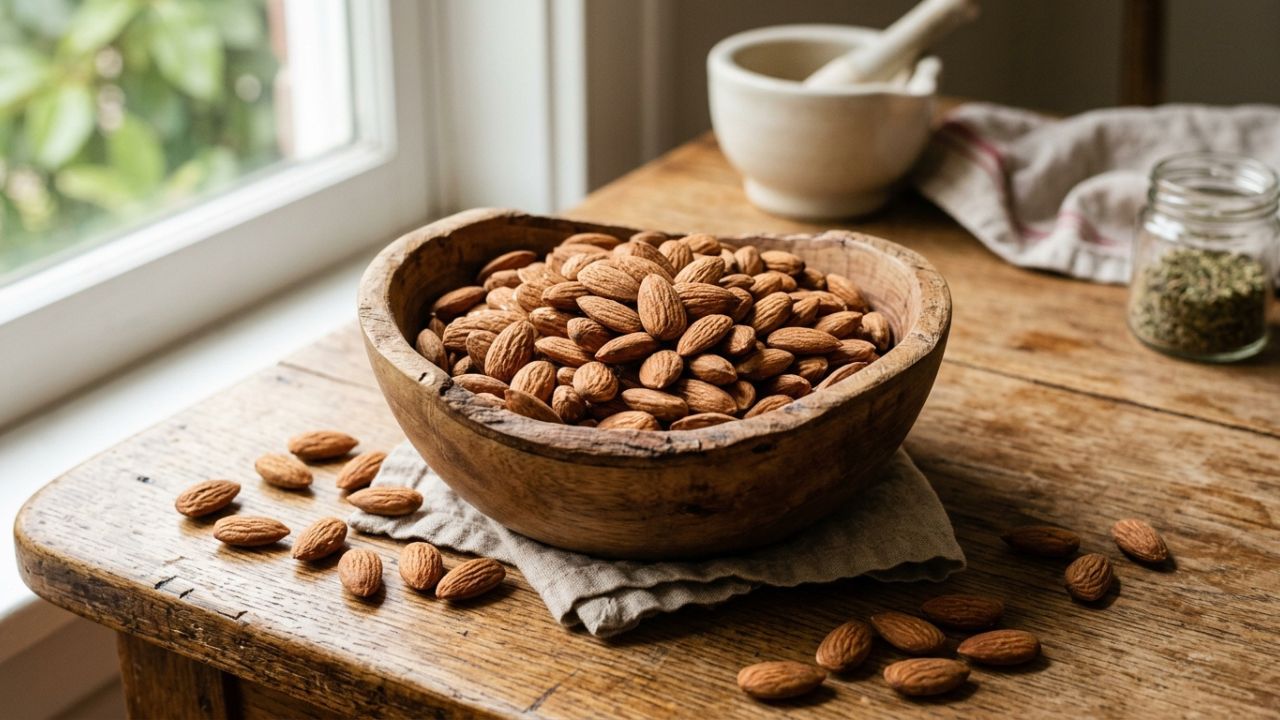
Keeping almonds fresh for as long as possible depends largely on how you store them. The key is to minimize exposure to heat, light, air, and moisture, which can cause the natural oils in almonds to turn rancid. The best method is to store almonds in an airtight container in a cool, dark place, such as a pantry, if you plan to use them within a few months. For longer-term storage, the refrigerator or freezer is ideal, as the low temperature slows down the oxidation process and preserves flavor and crunch. Separating into smaller portions can also help, as you only expose a small batch to air at a time. Avoid storing almonds in humid areas, as moisture can lead to mold growth. By following these simple storage tips, you can enjoy almonds that stay fresh, tasty, and safe to eat for months. With a few straightforward tips, you can make sure your remain crisp, flavorful, and ready to enhance any meal.
What Is an Almond?
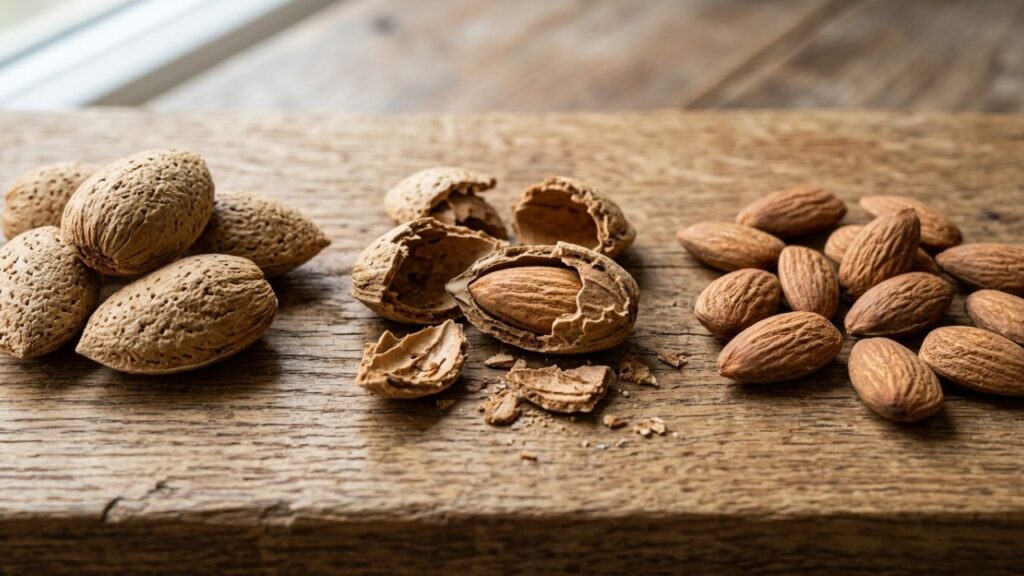
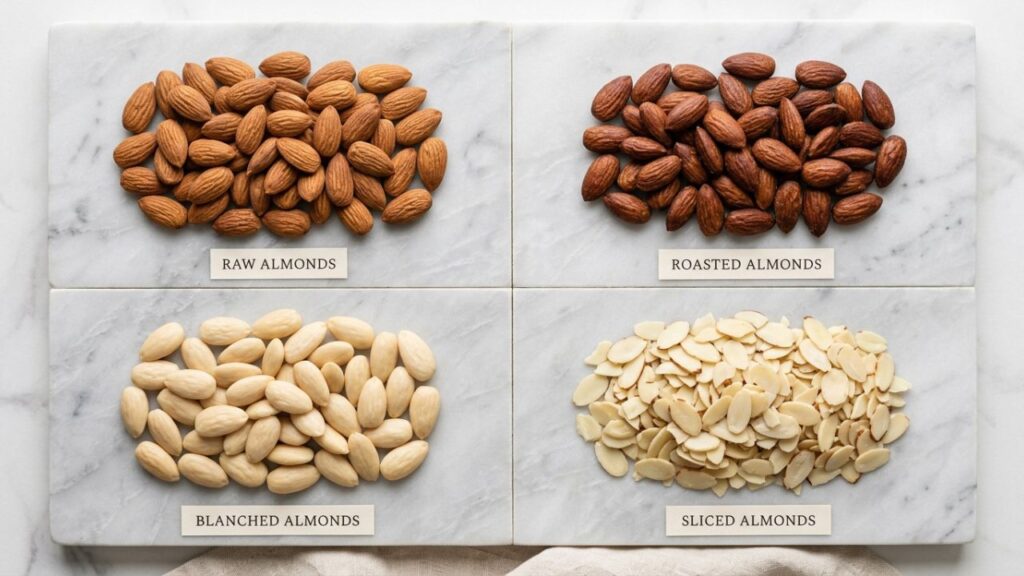
Almonds are the edible seeds of the almond tree, part of the Prunus family. Technically seeds rather than true nuts, are encased in a hard shell and harvested mostly in warm, dry regions, with California producing a large portion of the world’s supply. They come in several forms: whole or sliced for snacking and baking, raw or roasted for different flavor profiles, and blanched for smoother textures, perfect for almond butter or pastries. Almonds have been enjoyed for thousands of years and are central to Middle Eastern, Mediterranean, and South Asian cuisines. They complement both sweet and savory dishes, pairing beautifully with fruits, honey, dairy, and chocolate.
Tips for Extending the Shelf Life of Almonds Naturally
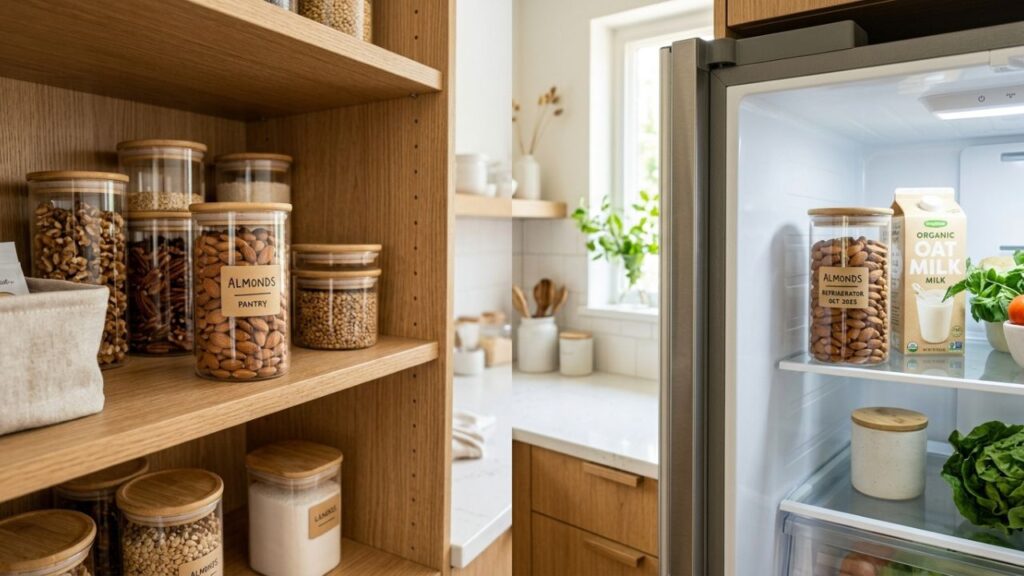
Extending the shelf life of almonds doesn’t require fancy methods—just a few smart practices. Store in airtight containers to prevent exposure to air, which accelerates rancidity. Keep them in a cool, dark place, away from direct sunlight or heat sources, which can degrade flavor and oils. For longer storage, refrigeration or freezing works wonders, keeping fresh for months or even years. Using smaller portions in separate containers reduces the frequency of opening the main jar, limiting air exposure and helping maintain crunch and taste. These simple steps ensure your almonds stay flavorful and ready to enjoy at any time.
Types of Almonds Differences at a Glance
| Type | Flavor & Texture | Best Uses | Shelf Life (Room Temp) |
| Raw | Mild, delicate, slightly sweet | Snacking, baking, smoothies | 6 months |
| Roasted | Richer, nutty, deeper aroma | Toppings, snacks, salads | 2 months |
| Blanched | Smooth, mild, no skin | Almond butter, pastries, marzipan | 6 months |
| Sliced/Slivered | Crunchy, easy to sprinkle | Garnishes, baking, oatmeal toppings | 6 months |
Why Almonds Work Well in Cooking
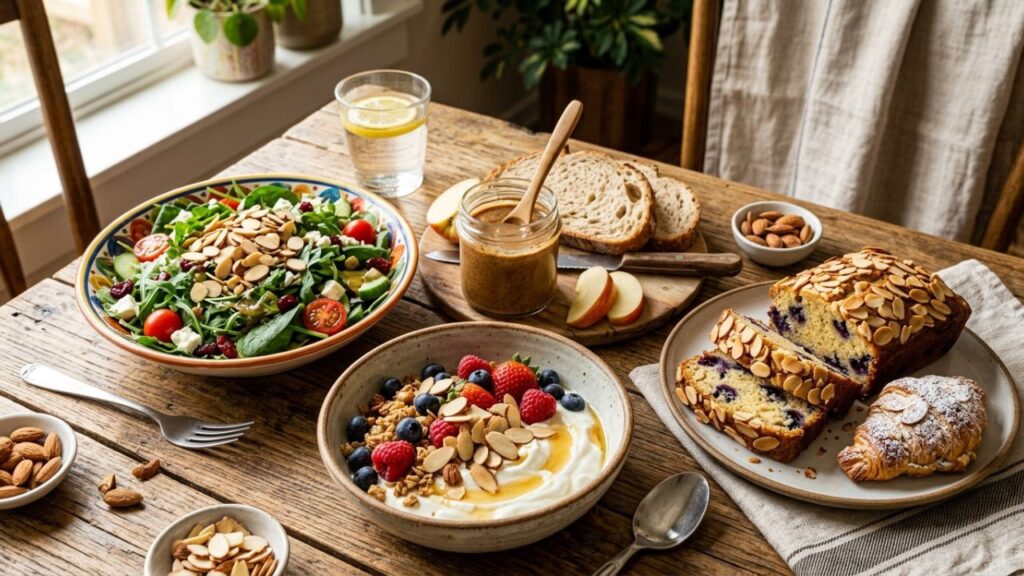
Almonds aren’t just about taste—they contribute texture, nutrition, and versatility. Their mild, slightly sweet flavor balances both sweet and savory dishes, and their crunch adds a satisfying contrast to soft foods like oatmeal, yogurt, or roasted vegetables. Almonds also provide a rich source of healthy fats, protein, fiber, vitamin E, and magnesium, supporting heart health and sustained energy. Cooking with is easy—they can be roasted, blanched, chopped, or ground. Toasting them lightly in a skillet or oven enhances flavor and aroma, while almond milk, butter, and flour offer endless possibilities in the kitchen.
Selecting and Storing Almonds
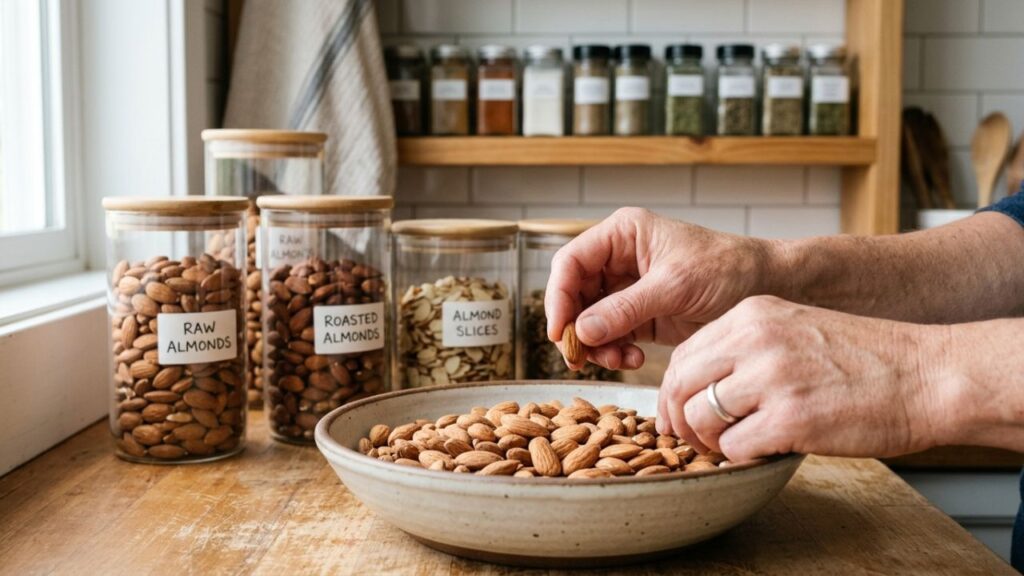
Choosing high-quality almonds is the first step in preserving freshness. Look for uniform, light brown without dark spots. They should feel firm, not soft or shriveled. Fresh have a mild, nutty aroma—any sour or chemical smell suggests they’ve gone rancid. Store almonds in airtight containers, away from heat, light, and moisture. Raw last up to six months in a cool pantry, a year in the fridge, and up to two years in the freezer. Always check for off odors or discoloration before using. Roasted can be lightly re-toasted to restore crunch if needed.
Cooking Techniques
Although almonds are often eaten raw, roasting can intensify flavor:
- Preheat your oven to 350°F (175°C).
- Spread almonds in a single layer on a baking sheet.
- Roast for 10–15 minutes, shaking the pan halfway through.
- Remove when golden and fragrant, and allow to cool completely.
Avoid over-roasting, which creates a burnt taste, or under-roasting, which leaves them soft. For variety, try tossing almonds with a small amount of olive oil and sea salt, or a light sprinkle of cinnamon sugar before roasting.
Serving Suggestions
Almonds can elevate everyday meals. Sprinkle them on salads, cereals, yogurt, or smoothies, or incorporate them into baked goods, granola, or savory dishes. Whole almonds can be used as a garnish, while chopped almonds add texture contrast. Seasonally, almonds shine in fresh spring salads and chilled desserts, while in cooler months, roasted with warming spices like cinnamon or nutmeg complement hot cereals, roasted vegetables, and baked goods. Leftovers can be repurposed in other dishes for added crunch.
Common Mistakes to Avoid
Over-roasting leads to a bitter taste, while under-roasting leaves nuts soft and underwhelming. Improper storage, such as exposure to heat or moisture, accelerates rancidity. Always check smell and taste before using to ensure freshness and quality.
Creative Ways to Use Almonds in Everyday Cooking
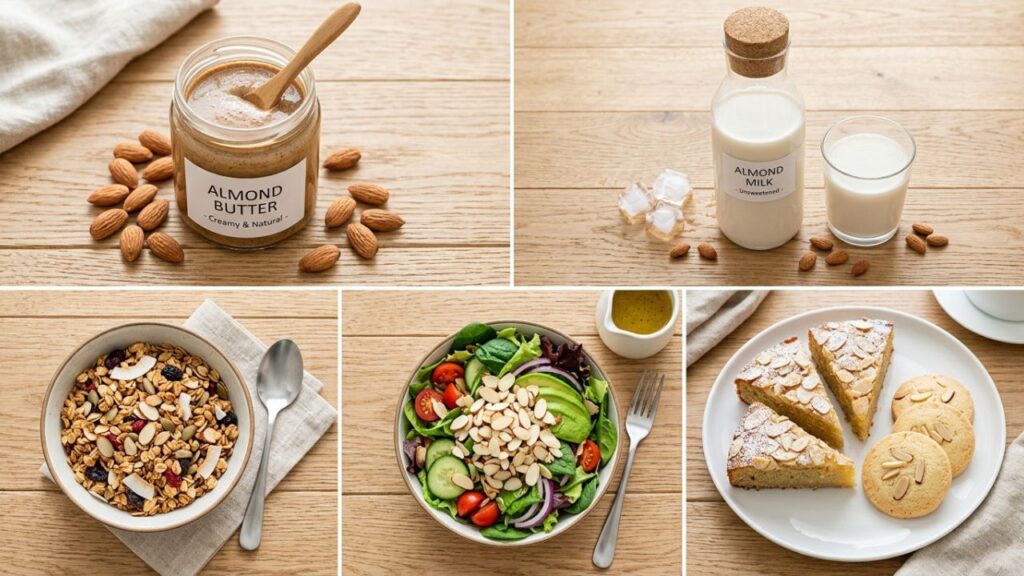
Almonds aren’t just for snacking—they’re incredibly versatile in the kitchen. Chop them to add crunch to salads, cereals, and yogurt bowls, or grind them into almond flour for gluten-free baking. Toasting almonds enhances their nutty aroma, making them perfect for topping roasted vegetables, savory grains, or desserts. Almond butter and almond milk offer plant-based alternatives for spreads and beverages, while whole almonds can serve as a garnish or a crunchy addition to homemade granola. Incorporating almonds into meals adds texture, flavor, and nutritional value without much effort.
How to Identify Fresh vs. Rancid Almonds Quickly
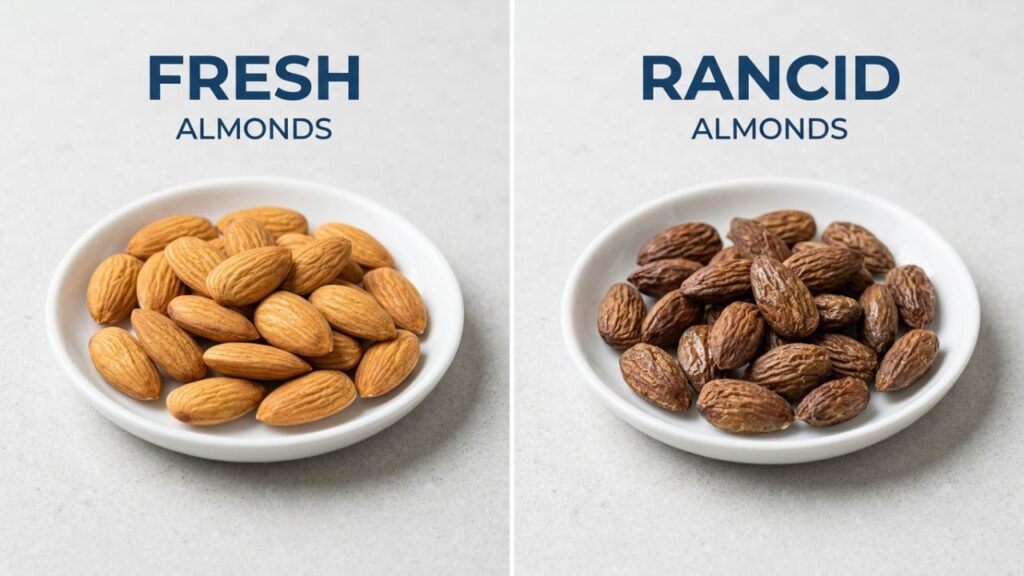
Knowing how to spot fresh almonds is essential for enjoying their flavor and health benefits. Fresh almonds have a firm texture, a light brown color, and a mild, nutty aroma. Any sign of shriveling, dark spots, or a sharp, sour smell indicates the almonds may have gone rancid. Tasting a small piece can confirm—rancid almonds have a bitter or unpleasant flavor. By routinely checking almonds before using, you can avoid wasting ingredients and ensure that every dish benefits from their crisp, wholesome texture.
FAQs
1. How can I tell if almonds have gone bad?
Rancid almonds usually smell sharp, sour, or bitter. Taste a small piece before using, and if it has an off flavor, discard them. Regularly checking ensures your almonds stay fresh.
2. Can almonds be frozen?
Yes, almonds can be frozen in an airtight container to preserve freshness. They can last up to two years while maintaining flavor and crunch when properly thawed.
3. Are raw almonds safe to eat?
Raw almonds are safe to consume and provide natural nutrients. Roasting enhances their flavor, aroma, and digestibility, making them easier to eat for some people.
4. Should I peel almonds before using?
Blanched almonds, with skins removed, are ideal for pastries, marzipan, or almond butter. Leaving the skin adds fiber and a slightly earthy flavor, perfect for salads or granola.
5. How long do roasted almonds last at room temperature?
Roasted almonds kept in a sealed container at room temperature last about two months. Refrigeration extends shelf life up to a year, while freezing can preserve them even longer.
Conclusion
Almonds are versatile, nutritious, and easy to include in everyday meals. With proper storage, careful preparation, and a few simple techniques, they stay fresh, crunchy, and flavorful. Paying attention to freshness, texture, and aroma ensures that almonds remain a delightful ingredient, whether sprinkled over a salad, blended into a smoothie, or baked into your favorite dessert.
About the Author
I’m a home cook and food enthusiast who loves exploring flavors and textures in everyday meals. I enjoy helping readers create approachable, satisfying dishes at home, whether it’s a quick weekday snack or a weekend culinary experiment. Sharing practical tips and thoughtful techniques is my way of making the kitchen feel welcoming and inspiring.