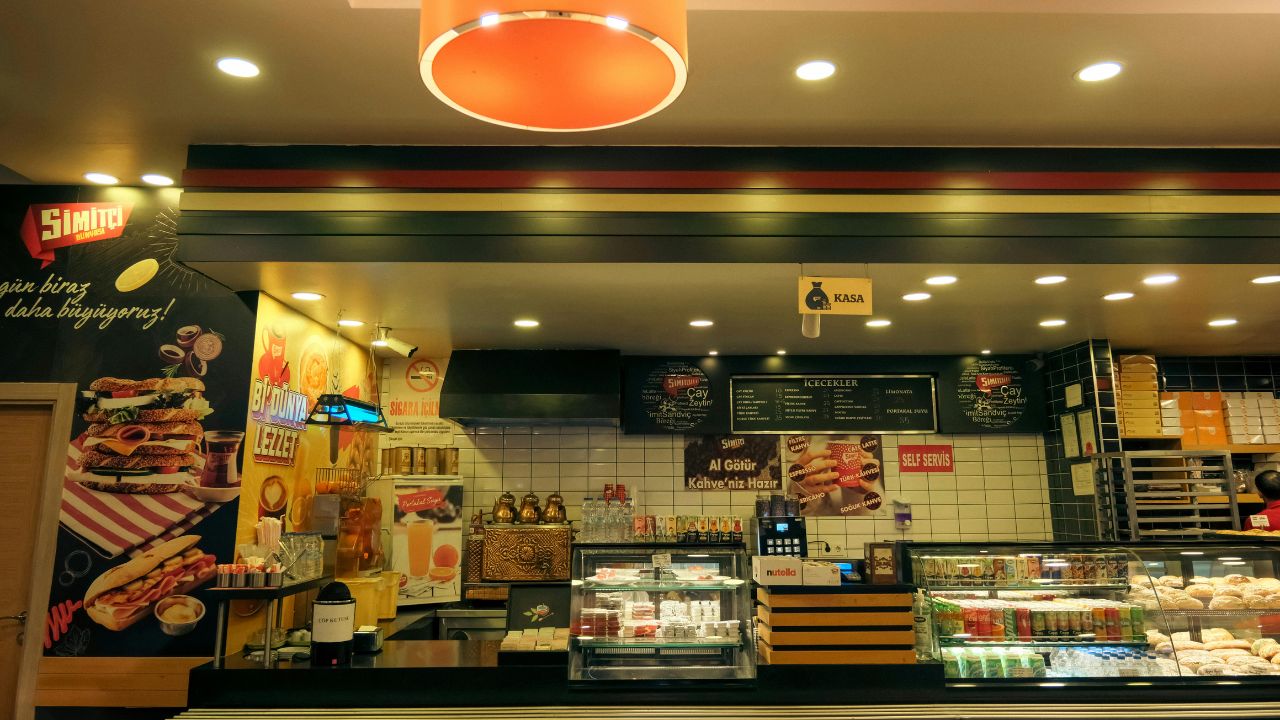
Bagel roll are a delicious and versatile twist on the traditional bagel. Unlike the classic round bagel, which is typically sliced through the middle, bagel rolls are shaped like a cylindrical roll. These rolls maintain the dense, chewy texture of bagels, but with the added benefit of being easier to slice and fill with your favorite spreads, cheeses, or deli meats. Whether enjoyed as a breakfast, lunch, or snack, bagel rolls offer a satisfying, flavorful experience. They have been gaining popularity for their unique texture and practicality, making them an excellent choice for anyone looking to switch up their usual bagel routine.

The History Behind Bagel Rolls
Bagels have a long and rich history, originating in Poland in the 17th century and later becoming a staple in Jewish-American cuisine. The concept of bagel rolls evolved as bakers and food lovers experimented with new ways to enjoy the beloved bagel. Unlike traditional bagels, which are boiled before baking, bagel rolls typically skip the boiling step, offering a slightly lighter texture while still holding that classic chewy bite. The bagel roll has since become popular in cafes and bakeries, providing an innovative alternative for people who love the taste of bagels but prefer a different shape or texture.
How Bagel Rolls Are Made
Bagel rolls are made from the same basic ingredients as traditional bagels, including flour, yeast, water, salt, and a touch of sugar. However, the dough is shaped into a cylindrical roll rather than a round, hole-in-the-middle shape. Some recipes may also incorporate ingredients like sesame seeds, poppy seeds, or garlic to enhance flavor. The dough is mixed and kneaded, then left to rise before being baked. While some bagel roll recipes call for a brief boiling step before baking, many skip this process to create a softer, lighter roll that’s still packed with flavor. Whether homemade or store-bought, bagel rolls offer a delicious, customizable bread option.
Bagel Rolls vs. Traditional Bagels
The main difference between bagel rolls and traditional bagels lies in their shape and texture. Traditional bagels are round with a hole in the middle, which is often associated with their chewy, dense texture. Bagel rolls, on the other hand, are cylindrical and are usually a bit lighter, making them easier to slice and fill. While both options provide that iconic bagel flavor, bagel rolls are often preferred by people looking for a more versatile bread option that can be used for sandwiches, wraps, or even as a base for creative toppings. If you love bagels but want something a little different, bagel rolls might be the perfect choice.
The Versatility of Bagel Rolls
One of the best things about bagel rolls is their versatility. They can be filled with a variety of ingredients, making them suitable for both savory and sweet meals. For breakfast, you can spread cream cheese and add smoked salmon or a fried egg for a protein-packed start to your day. For lunch, you might choose to make a turkey and cheese sandwich or pile on some veggies and hummus. Bagel rolls also make great bases for homemade pizzas or even sliders. Whether you prefer classic, savory flavors or more adventurous combinations, the bagel roll adapts to your taste, offering endless possibilities.

Popular Toppings for Bagel Rolls
Bagel rolls, like traditional bagels, can be topped with a wide range of ingredients. For a classic breakfast, consider spreading a layer of cream cheese and adding toppings like smoked salmon, capers, and red onions. If you prefer something sweeter, a smear of fruit jam or Nutella can elevate the flavor. For a savory lunch option, try filling your bagel roll with sliced turkey, lettuce, tomato, and mustard. You could also add a slice of cheese and grill the roll for a delicious melted sandwich. The versatility of toppings ensures that bagel rolls can cater to every taste, from sweet to savory, and everything in between.
Healthier Alternatives for Bagel Rolls
While bagel rolls are delicious, they can be high in calories and carbs, especially if you’re enjoying them with rich spreads or deli meats. However, there are ways to make bagel rolls a healthier option. For instance, opting for whole wheat or whole grain bagel rolls adds fiber and nutrients to your meal. You can also reduce the calorie count by using lighter toppings, such as avocado instead of cream cheese, or choosing lean proteins like grilled chicken. Another great option is to make homemade bagel rolls using healthier ingredients, such as almond flour or oats. With a little creativity, you can enjoy a healthier version of this popular treat.
Bagel Rolls for Special Occasions
Bagel rolls are perfect for special occasions, whether it’s a casual brunch with friends or a festive holiday gathering. They’re incredibly easy to customize, making them a hit at parties where guests can choose their favorite fillings and toppings. For a brunch event, you can set up a bagel roll bar with various spreads like cream cheese, butter, and hummus, along with toppings like smoked salmon, cucumber slices, and fresh herbs. You can also get creative with dessert options, offering sweet fillings like chocolate spread, fruit preserves, or whipped cream. The versatility of bagel rolls allows them to suit any occasion, from breakfast buffets to afternoon tea.
Bagel Rolls for Busy Mornings
One of the main advantages of bagel rolls is that they are quick and easy to prepare, making them ideal for busy mornings. You can quickly toast a bagel roll, spread some cream cheese or peanut butter, and add fresh fruit for a balanced breakfast. If you’re in a rush, you can also fill the bagel roll with pre-cooked deli meats and veggies to create a portable, on-the-go meal. Whether you’re looking for something sweet or savory, bagel rolls can be customized to fit your time constraints while still providing a filling and satisfying meal.
Difference Between Bagel Rolls and Traditional Bagels
| Feature | Bagel Roll | Traditional Bagel |
| Shape | Long, cylindrical roll | Round with a hole in the center |
| Texture | Soft inside with a light chew | Dense and very chewy |
| Ease of Slicing | Easy to slice evenly | Can be harder to cut evenly |
| Best Use | Sandwiches, meal prep, quick meals | Toasting and classic spreads |
| Boiling Step | Often skipped for a lighter feel | Usually boiled before baking |
| Portability | More convenient for on-the-go eating | Slightly bulky to carry |
| Filling Capacity | Holds more fillings evenly | Fillings may slide out |
| Customization | Great for sweet and savory options | Mostly served savory |
| Modern Popularity | Trending in cafés and bakeries | Classic and traditional choice |
| Meal Flexibility | Works for breakfast, lunch, or snacks | Mostly breakfast-focused |

Making Bagel Rolls at Home
Bagel rolls at home is surprisingly simple and rewarding. The dough is similar to that of traditional bagels but shaped into a roll instead of a ring. To make homemade bagel rolls, you’ll need basic ingredients like flour, water, yeast, salt, and sugar. You can also add seasonings like garlic powder, onion powder, or herbs to create a flavorful dough. After kneading the dough and letting it rise, you can bake the rolls in the oven until they are golden brown and delicious. Homemade bagel rolls give you the freedom to control the ingredients, allowing you to experiment with flavors and toppings. Plus, there’s nothing like the smell of freshly baked bagels filling your home!
FAQs
1. What’s the difference between bagel rolls and regular bagels?
Bagel rolls are shaped like a cylinder instead of the traditional round bagel. They have a lighter texture but still keep that classic chewy bite, making them easier to slice and fill with your favorite ingredients.
2. Can I make bagel rolls at home?
Yes! You can easily make bagel rolls at home using simple ingredients like flour, yeast, and salt. The dough is shaped into rolls and baked for a delicious homemade treat.
3. What are some popular toppings for bagel rolls?
Popular toppings include cream cheese with smoked salmon, turkey and cheese, or even sweet options like peanut butter and banana. The possibilities are endless, depending on whether you prefer savory or sweet!
4. Are bagel rolls healthier than traditional bagels?
Bagel rolls can be a healthier option, especially if made with whole wheat or whole grain flour. You can also control the toppings to make them lighter, such as using avocado or lean proteins.
5. Can I use bagel rolls for meal prep?
Absolutely! Bagel rolls are perfect for meal prep. You can fill them with protein, veggies, or spreads, and they make for a quick and satisfying grab-and-go lunch throughout the week.