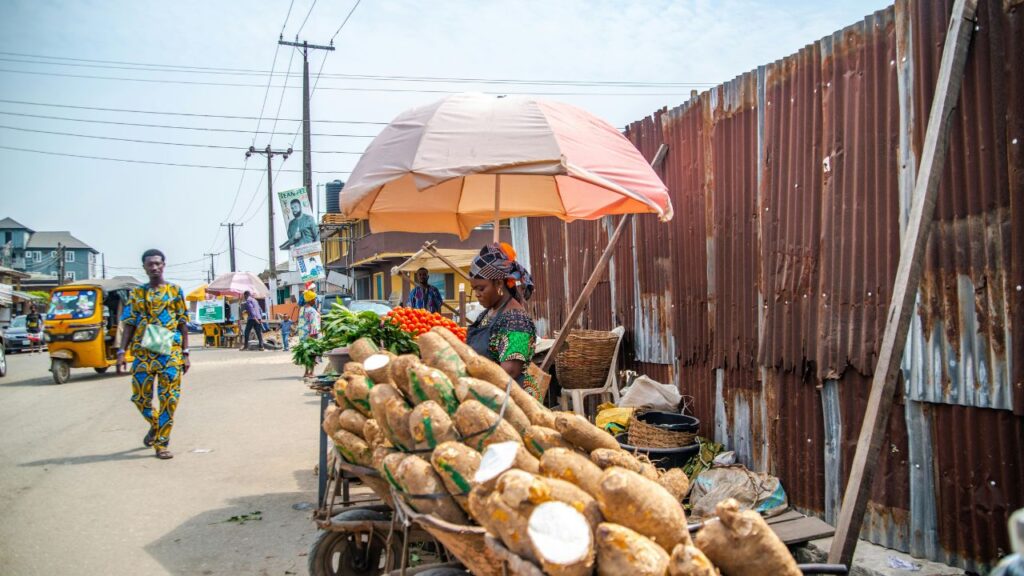
White yams are starchy tuberous vegetables that belong to the Dioscorea genus, specifically the species Dioscorea rotundata. Unlike the sweet potatoes often found in American grocery stores, these tubers have a rough, bark-like skin and a neutral, that isn’t particularly sweet. They are a primary food source in where they are celebrated for their energy-giving properties. Growing these tubers requires a long, warm season, which is why they thrive in tropical climates across the globe. Understanding the difference between a true yam and a sweet potato is the first step in mastering tropical cuisine. When you slice into one, you’ll find a crisp, bright interior that holds its shape beautifully during various cooking methods.
The Cultural Importance of African Yams
In many West African cultures, the white yam is far more than just a vegetable; it is a symbol of fertility, a successful harvest. Nigeria, the world’s largest producer, hosts annual “New Yam Festivals” to celebrate the arrival of the first crop, and communal feasts. This deep cultural connection ensures that the tuber remains a staple in daily diets and a centerpiece during ceremonies. It represents the backbone of food people who rely on its long shelf life and nutritional density. The respect given to this crop is reflected in the careful way it is harvested by hand to avoid bruising the delicate skin. Even today, the arrival of the harvest season brings communities together in a shared appreciation for nature’s bounty.
Nutritional Benefits of Tropical Tubers
One of the main reasons white yams are so popular is their impressive nutritional profile, which and active lifestyle. They are an excellent source of complex carbohydrates, providing sustained energy without the quick blood sugar spikes associated with processed grains. These tubers are also packed with dietary fiber, which aids digestion and helps maintain a healthy weight by full for longer. You will find significant amounts of Vitamin C, which boosts the immune system, and potassium, which is essential for maintaining healthy blood pressure levels. Furthermore, they contain unique antioxidants that may help reduce inflammation within the body over time. Including these starchy vegetables in your diet is a smart way to get essential minerals like copper and manganese.
Selecting and Buying Quality White Yams
When you are at an international market looking for the perfect white yam, there are a few key things to keep in mind to ensure freshness. First, feel the tuber; it should be firm to the touch and heavy for its size, indicating that it is full of moisture and not dried out. Avoid any specimens that have soft spots, cracks, or visible mold, as these are signs of internal decay. The skin should be relatively uniform in color, though a little bit of dirt is perfectly normal for a root crop. If the yam feels light or hollow, it has likely been sitting on the shelf for too long and will have a woody texture once cooked. Trusting your senses of touch and sight will help you bring home a delicious ingredient for your next meal.
How to Prepare Your Starchy Roots
Preparing white yams requires a bit of physical effort because of their thick, protective skin and large size. You should start by scrubbing the outside with a brush under cold water to remove any lingering soil or debris. Use a sharp knife or a heavy-duty vegetable peeler to remove the brown skin until the white flesh is fully exposed. Once peeled, it is a good idea to submerge the pieces in a bowl of water to prevent them from turning brown due to oxidation. You can then cut the flesh into cubes, slices, or rounds depending on the specific recipe you plan to follow. Be careful when handling them, as some people find the raw sap can cause a mild, temporary itch on sensitive skin.
Boiling Techniques for Pounded Yam
Boiling is perhaps the most common way to cook white yams, especially when they are destined to become “Pounded Yam,” a dough-like staple. To do this, place your peeled chunks into a large pot of salted water and bring it to a rolling boil until they are fork-tender. The starch content in these tubers makes them perfect for mashing or pounding into a smooth, stretchy consistency that pairs perfectly with spicy stews. It usually takes about twenty to thirty minutes for the pieces to soften completely, depending on how large you have cut them. Once they are soft, you drain the water and begin the process of transformation while the starch is still hot. This method highlights the natural, earthy flavor of the vegetable without adding unnecessary fats or oils.
Frying White Yams for a Crispy Snack
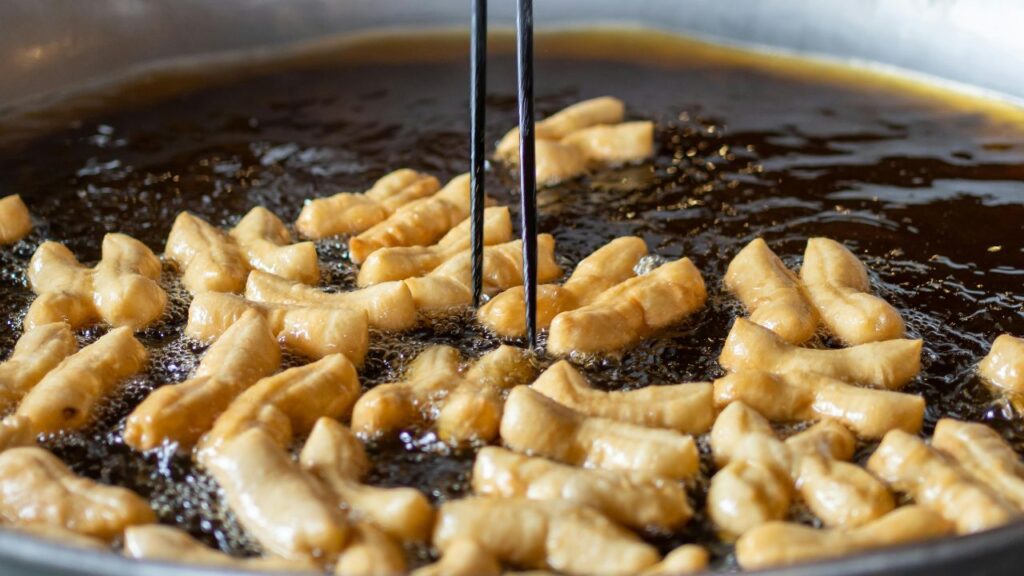
If you are looking for a delicious snack or a side dish, frying white yams is an excellent option that produces a crunchy exterior and a fluffy interior. These are often called “Dundun” in Nigeria and are frequently sold by street vendors as a quick and satisfying meal. To achieve the best results, slice the peeled yam into thin batons or rounds and soak them in salted water for a few minutes before frying. Deep-fry them in hot vegetable oil until they turn a beautiful golden yellow color and develop a slight crunch. They are best served hot with a side of spicy tomato and onion sauce or a simple fried egg sauce. The contrast between the crispy outer layer and the soft, starchy middle makes this a favorite among children and adults alike.
White Yams vs. Sweet Potatoes vs. Russet Potatoes
| Feature | White Yam (True Yam) | Sweet Potato | Russet Potato |
| Skin Texture | Rough, scaly, and bark-like | Smooth and thin | Slightly rough and thin |
| Flesh Color | Bright white to off-white | Orange, yellow, or purple | Pale white to ivory |
| Flavor Profile | Earthy, neutral, and starchy | Sweet and creamy | Mild and buttery |
| Main Nutrient | High Potassium & Fiber | Vitamin A (Beta-carotene) | Vitamin C & B6 |
| Best Use | Pounding, boiling, frying | Pies, mashing, roasting | Baking, French fries, mash |
| Origin | West Africa / Caribbean | Central / South America | North America / Europe |
Roasting and Grilling Your Tubers
Roasting white yams is a fantastic way to concentrate their flavors and create a rustic, smoky dish that is perfect for outdoor gatherings. You can wrap thick slices in aluminum foil with a bit of oil and salt, or place them directly on a grill over medium heat. The high heat caramelizes the outer starches, giving the tuber a slightly nutty taste that is very different from the boiled version. This method is popular in many coastal regions where fresh produce is cooked over open wood fires for a distinct aroma. Roasted yams are traditionally served with a dipping sauce made from palm oil, salt, and crushed chili peppers. It is a simple, primal way of eating that honors the natural quality of the vegetable without masking it with heavy ingredients.
FAQs
1. How can I tell the difference between a white yam and a sweet potato?
It is a common mistake to confuse the two, but they are very different. White yams have a thick, rough, brown skin that looks similar to tree bark, whereas sweet potatoes have much thinner, smoother skin. Inside, the yam is white and very starchy with a neutral flavor, while sweet potatoes are usually orange, softer, and much sweeter.
2. Why does my skin itch when I peel raw white yams?
Don’t worry, this is a very common reaction caused by calcium oxalate crystals found in the raw sap of the tuber. To prevent this, you can rub a little bit of cooking oil on your hands before you start peeling, or simply wear kitchen gloves.
3. Can I eat the skin of a white yam?
Unlike many other root vegetables, the skin of a white yam is generally not eaten. It is very thick, fibrous, and has a texture similar to bark, which remains tough even after boiling or roasting. While it isn’t poisonous, it is quite unpleasant to chew and difficult for the body to digest.
4. What is the best way to store yams after they are cut?
Once you have sliced or peeled a white yam, it will begin to turn brown quickly if left out in the open air. If you aren’t ready to cook it immediately, this prevents oxidation and keeps the flesh bright white. You can store these submerged pieces in the refrigerator for up to 24 hours.
5. Are white yams good for weight loss diets?
White yams can definitely be part of a weight loss journey when eaten in moderation. They are high in complex carbohydrates and fiber, which means they digest slowly and keep you feeling full for a long time, preventing unnecessary snacking.