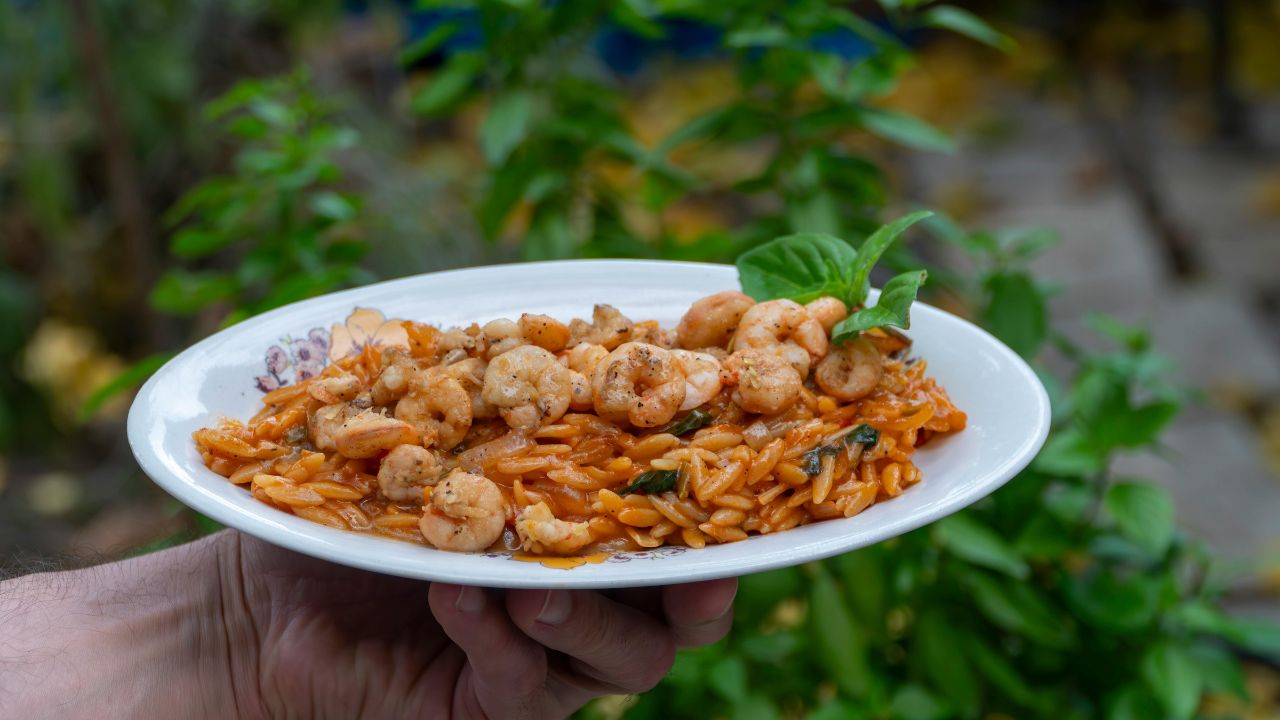
Deveined shrimp are shrimp that have had the dark vein running along their back removed. This “vein” is actually the shrimp’s digestive tract, and while it’s not harmful to eat, many people prefer it removed for better texture and appearance. When shrimp are cleaned and deveined, they look more appealing and taste fresher. Most grocery stores sell shrimp that are already peeled and deveined, which saves time in the kitchen. Fresh and frozen options are both widely available. Whether you are cooking for a quick weeknight dinner or a special gathering, using cleaned shrimp makes preparation much easier and less messy. Finally, forgetting to properly thaw frozen shrimp can affect texture.
Why Choose Cleaned and Deveined Shrimp?
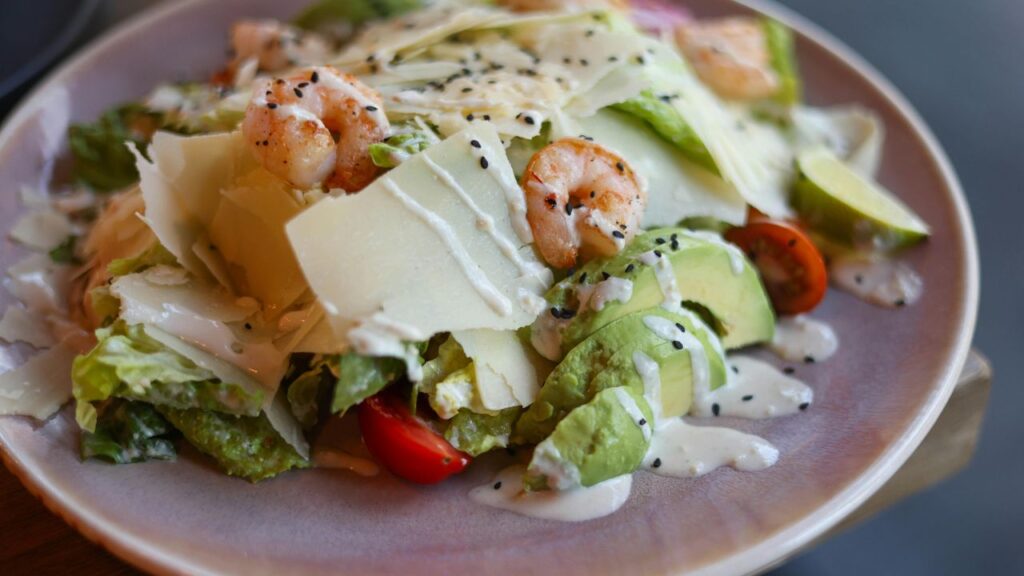
Choosing cleaned and deveined shrimp saves time and effort, especially if you cook seafood often. Removing the vein yourself can be tricky and time-consuming if you are not used to it. Pre-cleaned shrimp allow you to focus on seasoning and cooking instead of prep work. Deveined shrimp also looks more attractive when served, which matters for dishes like shrimp cocktail or pasta. Many people also feel more comfortable eating shrimp without the digestive tract. In modern kitchens where convenience matters, buying shrimp that are already cleaned is a smart option. It helps you prepare meals faster without sacrificing quality or flavor. By paying attention to these small details, you can make sure your deveined shrimp turns out delicious every time.
How to Devein Shrimp at Home
If you buy shrimp that are not cleaned, learning how to devein shrimp at home is simple. First, peel off the shell if needed. Then use a small knife to make a shallow cut along the back of the shrimp. You will see a thin black or brown line. Gently lift it out with the tip of the knife or rinse it away under cold water. Be careful not to cut too deep into the flesh. Once finished, rinse the shrimp and pat them dry. With a little practice, this process becomes quick and easy, allowing you to enjoy fresh, perfectly prepared shrimp anytime.
Nutritional Benefits of Deveined Shrimp
Deveined shrimp are not only tasty but also packed with nutrients. They are high in protein and low in calories, making them a healthy choice for many diets. Shrimp contains important vitamins and minerals such as vitamin B12, iodine, and selenium. These nutrients support energy levels, thyroid function, and overall health. Shrimp are also low in fat and contain omega-3 fatty acids, which are good for heart health. Because they cook quickly and pair well with vegetables, deveined shrimp fit easily into balanced meals. For anyone looking for a light yet satisfying protein source, shrimp are an excellent option.
Fresh vs Frozen Deveined Shrimp
When buying deveined shrimp, you will usually choose between fresh and frozen. In many cases, frozen shrimp are just as good as fresh because they are frozen shortly after being caught. This helps lock in flavor and nutrients. Fresh shrimp at the seafood counter may have been previously frozen and thawed, so it’s always good to ask. Frozen deveined shrimp are convenient because you can store them longer and use them when needed. Simply thaw them in the refrigerator or under cold running water. Both fresh and frozen options can taste delicious if handled and cooked properly.
Best Ways to Cook Deveined Shrimp
Deveined shrimp are very versatile and cook in just a few minutes. You can sauté them in a pan with garlic and butter for a quick meal. Grilling shrimp adds a smoky flavor that works well for summer dishes. Boiling is perfect for shrimp cocktails or salads. You can also bake them in the oven with herbs and lemon for a simple dinner. The key is not to overcook them, as shrimp become rubbery when left on heat too long. They are ready when they turn pink and opaque. Quick cooking keeps them juicy and tender. Using too much salt can also overpower their natural sweetness. It’s important not to crowd the pan, as this causes steaming instead of searing.
Popular Recipes Using Deveined Shrimp
There are countless recipes that use deveined shrimp as the main ingredient. Shrimp pasta with cream sauce is a favorite comfort dish. Shrimp tacos with fresh salsa are light and full of flavor. Stir-fried shrimp with vegetables makes a healthy weeknight dinner. Garlic butter shrimp served over rice is simple but satisfying. You can also add shrimp to soups, curries, or salads for extra protein. Because shrimp absorb flavors easily, they work well with spices, citrus, and herbs. With so many options, deveined shrimp can fit into almost any cuisine, from Asian to Mediterranean to American classics.
Tips for Storing Deveined Shrimp Safely
Proper storage is important to keep prepared shrimp fresh and safe to eat. If you buy fresh shrimp, store them in the coldest part of your refrigerator and use them within one to two days. Keep them in a sealed container or on ice to maintain freshness. Frozen shrimp should stay in the freezer until you are ready to use them. Once thawed, do not refreeze them unless they have been cooked. Always check for a fresh, mild smell before cooking. If shrimp smell strong or sour, it’s best to discard them. Safe handling ensures better taste and quality. Another mistake is not drying the shrimp before cooking, which can prevent proper browning.
Tell If Deveined Shrimp Are Cooked Properly
Cooking shrimp correctly is simple once you know what to look for. Raw shrimp are gray and slightly translucent. When cooked, they turn pink with red accents and become opaque. Their shape also changes into a loose “C.” If they curl tightly into an “O,” they may be overcooked. Properly cooked deveined shrimp should feel firm but still slightly tender when bitten. Because they cook so quickly, it’s best to watch them closely. Most shrimp only need two to four minutes, depending on size. Removing them from heat at the right time keeps them juicy and flavorful. Overcooking is the biggest issue, as it leads to a rubbery texture.
Deveined Shrimp vs Undeveined Shrimp
| Feature | Deveined Shrimp | Undeveined Shrimp |
| Definition | Shrimp with the digestive tract (vein) removed | Shrimp with the digestive tract still intact |
| Appearance | Cleaner, smoother back | Dark line visible along the back |
| Preparation Time | Ready to cook, saves time | Requires extra cleaning before cooking |
| Texture | Slightly cleaner bite and texture | May feel gritty if vein contains sand |
| Taste | Cleaner flavor, more refined | Taste difference is small but can be slightly stronger |
| Convenience | Very convenient for quick meals | Less convenient, more prep work |
| Cost | Usually slightly more expensive | Often cheaper |
| Best For | Pasta, shrimp cocktail, grilling, stir-fry | Traditional recipes, home cleaning preference |
| Presentation | Better for serving guests | Less visually appealing |
| Safety | Fully safe and hygienic when handled properly | Also safe, but cleaning is recommended |
Sustainable Choices Buying Deveined Shrimp
Today, many shoppers care about where their seafood comes from. Choosing sustainably sourced deveined shrimp helps protect ocean life and support responsible fishing practices. Look for labels that show the shrimp were farmed or caught in environmentally friendly ways. Some certifications indicate better standards for water quality and worker safety. Buying from trusted brands or local seafood markets can also give you more information about sourcing. Sustainable shrimp not only taste good but also support healthier oceans. Making informed choices ensures that future generations can continue to enjoy seafood without harming marine ecosystems. Even though shrimp are easy to cook, there are a few common mistakes to avoid.
FAQs
1. Is it necessary to devein shrimp before cooking?
No, it is not strictly necessary because the vein is not harmful to eat. However, most people prefer deveined shrimp for better texture and appearance. Removing the vein also makes the shrimp look cleaner and more appetizing.
2. Does divine shrimp taste better?
The taste difference is usually small, but deveined shrimp can have a cleaner flavor. If the vein contains sand or waste, it may slightly affect texture or taste, which is why many cooks remove it.
3. Can I buy shrimp that are already peeled and deveined?
Yes, most grocery stores sell shrimp that are peeled and deveined. They are labeled as “P&D” (peeled and deveined), which makes cooking faster and easier, especially for busy weeknights.
4. How long can I store deviled shrimp in the fridge?
Fresh deveined shrimp should be used within 1–2 days when stored in the refrigerator. Keep them in an airtight container or on ice. Frozen shrimp can last several months in the freezer.
5. How do I know if divine shrimp have gone bad?
Bad shrimp usually have a strong, sour, or ammonia-like smell. The texture may feel slimy, and the color may look dull. If you notice any of these signs, it is best to discard them for safety.