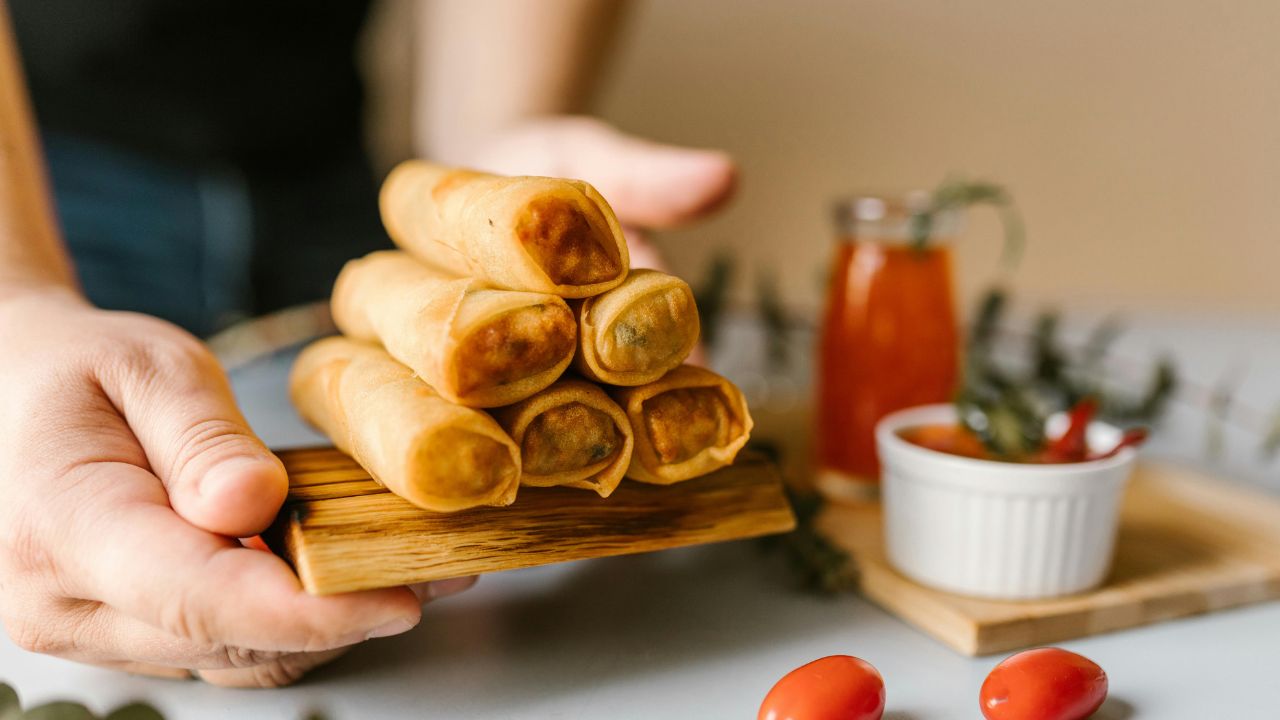
Egg rolls are crispy, deep-fried rolls filled with a savory mixture of vegetables and meat, all wrapped inside a wheat-based wrapper. They are commonly served as an appetizer, especially in Chinese-American cuisine. The outer layer becomes golden and crunchy when fried, while the inside stays warm and flavorful. Most traditional egg rolls contain shredded cabbage, carrots, and ground pork, though many modern versions use chicken, shrimp, or vegetables only. Despite the name, egg rolls do not always include egg in the filling. The name likely comes from the egg used in the wrapper dough. Their crunchy texture and rich taste make them a popular comfort food. Today, egg rolls are enjoyed in restaurants, at family dinners, and even as party snacks.
The History of Egg Rolls
Egg rolls became popular in the United States during the early 1900s as Chinese immigrants adapted their recipes to local tastes. While they are inspired by traditional Chinese spring rolls, the American version is thicker and crispier. Restaurants in cities like New York and San Francisco helped introduce egg rolls to a wider audience. Over time, they became a regular item on Chinese takeout menus across the country. The recipe changed slightly to match American preferences, using more cabbage and heartier fillings. This cultural blending helped egg rolls grow in popularity. Today, they are considered a classic appetizer in many households. Their story shows how food evolves when different cultures come together and share traditions.
Classic Egg Rolls Ingredients
The classic egg rolls recipe includes simple yet flavorful ingredients. Shredded cabbage forms the base of the filling, giving it texture and mild sweetness. Carrots add color and a slight crunch. Ground pork is often used for a rich and savory taste. Garlic, ginger, soy sauce, and green onions bring depth of flavor. Some recipes also include bean sprouts or mushrooms for extra variety. The wrapper is made from wheat flour and egg, which helps it become crispy during frying. It is important that the filling is not too wet, or the wrapper may become soggy. The balance between seasoning and texture is key. When prepared correctly, each bite offers a mix of crunch and juicy filling.
How to Make Homemade Egg Rolls
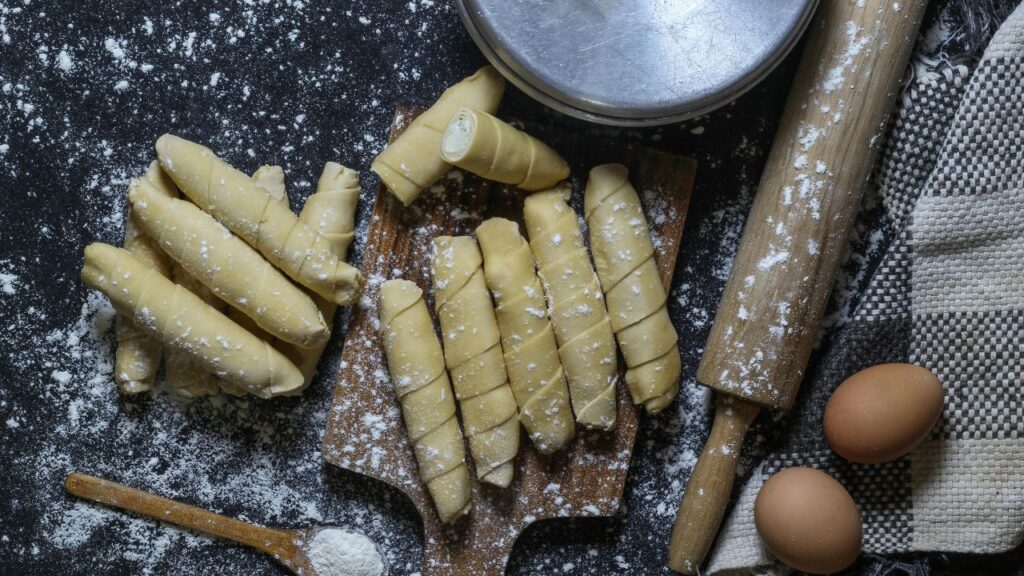
Making homemade egg rolls is easier than many people expect. Start by cooking the filling ingredients in a pan until the vegetables soften and the meat is fully cooked. Allow the mixture to cool slightly before wrapping. Lay the wrapper flat on a clean surface and place a spoonful of filling near one corner. Fold the bottom corner over the filling, then fold in the sides and roll tightly. Seal the edge with a bit of water or beaten egg. Heat oil in a deep pan and fry the rolls until golden brown. Turn them carefully to cook evenly. Once done, place them on paper towels to remove excess oil. Serve warm for the best flavor and crunch.
Baked and Air Fryer Egg Rolls
Many people now prefer healthier cooking options, and baked or air fryer egg rolls are great alternatives. Instead of deep frying, brush the rolls lightly with oil and bake them in the oven until golden. This method reduces the amount of fat while still keeping a crispy texture. Air fryers have also become popular because they cook food quickly and use less oil. Simply place the rolls in the basket and cook until crisp and heated through. While the texture may be slightly different from deep frying, the taste remains delicious. These methods are perfect for families who want a lighter meal. With modern kitchen appliances, making egg rolls at home has never been easier.
Popular Egg Rolls Variations
Egg rolls come in many creative variations that suit different tastes and diets. Vegetable egg rolls are perfect for vegetarians and are filled with cabbage, carrots, and mushrooms. Chicken egg rolls offer a lighter meat option with mild seasoning. Shrimp egg rolls add a slightly sweet seafood flavor. In recent years, dessert egg rolls have become trendy. These sweet versions may include cream cheese, apples, or even chocolate fillings. Cheesecake-style egg rolls are often dusted with powdered sugar for extra sweetness. The versatility of the wrapper allows endless combinations. Whether savory or sweet, egg rolls can easily match personal preferences. This flexibility is one reason they remain so popular today.
Best Dipping Sauces for Egg Rolls
Dipping sauces make egg even more enjoyable. Sweet and sour sauce is one of the most popular choices because it balances tangy and sweet flavors. Soy sauce mixed with a splash of rice vinegar adds a salty and slightly sharp taste. Spicy mustard gives a bold kick for those who enjoy heat. Plum sauce provides a smooth and fruity flavor that pairs well with pork fillings. Some people prefer peanut sauce for a creamy texture. Offering different sauces allows everyone to choose their favorite. The right dip can highlight the flavors inside the roll. Together, the crispy shell and flavorful sauce create a satisfying experience.
Egg Rolls vs. Spring Rolls
Roll are often confused with spring rolls, but they are not the same. Rolls have thicker wrappers that become bubbly and crunchy when fried. Spring rolls usually have thinner wrappers and can be either fried or served fresh. Fresh spring rolls are commonly made with rice paper and filled with herbs and vegetables. Egg typically contain a heavier filling and stronger seasoning. Spring rolls are often lighter and more delicate in flavor. The cooking method also makes a big difference in texture. Both options are delicious but offer different experiences. Understanding the difference helps you choose the right dish for your meal.
Difference Between Egg Rolls and Spring Rolls
| Feature | Egg Rolls | Spring Rolls |
| Wrapper | Thick wheat-based wrapper that becomes bubbly and crispy when fried | Thin wrapper made from wheat or rice paper |
| Texture | Crunchy and firm on the outside | Light and crispy if fried, soft if fresh |
| Cooking Method | Almost always deep-fried | Can be fried, baked, or served fresh |
| Filling | Usually cabbage, carrots, and pork or other meats | Often lighter fillings like vegetables or shrimp |
| Size | Larger and heavier | Smaller and lighter |
| Flavor | Rich and savory with stronger seasoning | Fresh, mild, and sometimes herbal |
| Origin Style | Popular in Chinese-American cuisine | Common in Chinese and Southeast Asian cuisines |
| Serving Style | Served hot with dipping sauce | Served hot or cold with dipping sauce |
Why Egg Rolls Remain So Popular
Egg remain popular because they combine crunchy texture with rich flavor. They are easy to share, making them perfect for parties and gatherings. Their fillings can be adjusted to suit different tastes and dietary needs. Restaurants continue to feature them because customers enjoy their satisfying bite. At home, they are fun to prepare and customize. Modern cooking methods make them more convenient than ever. Whether served as a snack, appetizer, or side dish, rolls fit many occasions. Their balance of crispiness and savory filling keeps people coming back for more. This timeless appeal ensures that egg rolls will continue to be loved for generations.
FAQs
1. Are egg rolls healthy?
Egg rolls can be part of a balanced diet, but traditional deep-fried egg contain more oil and calories. Choosing baked or air-fried egg is a lighter option. Vegetable egg rolls are usually lower in fat compared to pork versions. The health factor also depends on portion size and dipping sauces. Eating them occasionally as a treat is reasonable.
2. Do egg rolls contain eggs?
Not always. The filling usually does not include eggs. The name “egg roll” most likely comes from the egg used in the wrapper dough. Some recipes may add scrambled egg to the filling, but it is not common.
3. Can you freeze egg rolls?
Yes, egg rolls freeze very well. You can freeze them before or after frying. For best results, freeze them in a single layer first, then store in a sealed bag. Reheat in an oven or air fryer to keep them crispy.
4. What is the best oil for frying egg rolls?
Neutral oils with high smoke points work best. Vegetable oil, canola oil, or peanut oil are common choices. These oils help create a golden and crispy texture without affecting flavor.
5. How do you keep egg rolls crispy?
Drain them on paper towels after frying. Avoid stacking them while hot because steam can soften the wrapper. If reheating, use an oven or air fryer instead of a microwave. This helps maintain the crunch.