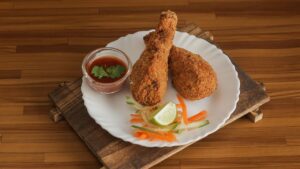
Browning food is one of the most transformative processes in cooking. It turns pale, raw ingredients into deeply flavored, aromatic, and visually appealing dishes. Whether it’s the golden crust on a steak, the caramelized top of baked goods, or the rich color of roasted vegetables, browning food enhances taste, texture, and aroma in ways that define culinary excellence. Understanding how browning works—and how to control it—can dramatically improve your cooking results. That’s why patting meat dry before searing is crucial for achieving a proper crust.

What Is Browning Food?
Browning food refers to the chemical and physical processes that cause food to turn brown when exposed to heat. This change is not just cosmetic; it signals the development of complex flavors and aromas. Browning typically occurs through two primary chemical reactions: the Maillard reaction and caramelization. There is also enzymatic browning, which happens without heat, such as when apples or avocados turn brown after being cut. Each of these processes contributes differently to flavor, texture, and appearance. Mastering browning food means knowing when and how each type of browning occurs—and how to use it intentionally in your cooking.
The Maillard Reaction Flavor’s Best Friend
The Maillard reaction is perhaps the most important process involved in browning food. It occurs when amino acids (from proteins) react with reducing sugars under heat, usually above 285°F (140°C). This reaction produces hundreds of new flavor compounds, giving browned foods their savory, roasted, and nutty notes. You see the Maillard reaction when searing meat, toasting bread, roasting coffee beans, or baking cookies. It creates the crust on a steak, the golden surface of bread, and the deep flavors in roasted vegetables. The Maillard reaction is responsible for the complexity we associate with grilled, roasted, or pan-fried foods. For optimal Maillard browning, the surface of the food must be dry. Excess moisture lowers surface temperature and prevents the reaction from occurring efficiently.
Caramelization Sweetness Transformed
This is another important process in browning food, but it differs from the Maillard reaction. Caramelization occurs when sugars break down under high heat, typically at temperatures above 320°F (160°C). Unlike the Maillard reaction, caramelization does not require proteins. This process creates sweet, nutty, slightly bitter flavors and a deep amber color. You can observe caramelization when making caramel sauce, roasting sweet potatoes, cooking onions slowly, or torching sugar on crème brûlée. Caramelized foods often have a rich sweetness balanced by subtle bitterness. Controlling caramelization requires attention to heat. Too little heat will not fully develop the sugars; too much heat will burn them, resulting in bitterness instead of complexity.
Enzymatic Browning Nature’s Reaction
Enzymatic browning happens without cooking. It occurs when certain fruits and vegetables are cut or bruised, exposing enzymes to oxygen. The enzyme polyphenol oxidase reacts with oxygen and phenolic compounds, producing brown pigments. This type of browning food can be undesirable in items like sliced apples or avocados. However, it can also be useful in foods like tea, cocoa, and dried fruits, where controlled oxidation contributes to flavor development. To prevent enzymatic browning, you can reduce oxygen exposure, add acidic ingredients like lemon juice, or apply heat to deactivate the enzymes.
Techniques for Browning Food Effectively
To achieve consistent browning food results, control over heat, moisture, and timing is essential. High heat encourages browning, but it must be balanced to avoid burning. Preheating pans and ovens ensures that food begins browning immediately upon contact. Moisture control is equally critical. Excess water prevents surface temperatures from rising high enough for the Maillard reaction or caramelization. Pat ingredients dry before cooking and avoid overcrowding the pan, which can cause steaming instead of browning. Using the right cooking fat also helps. Oils with higher smoke points allow you to cook at higher temperatures without burning. Clarified butter, avocado oil, and refined vegetable oils are commonly used for high-heat browning. Proper spacing in the pan ensures that each piece of food has direct contact with the heat source. Overcrowding traps steam and reduces browning efficiency. If necessary, cook in batches to maintain high surface temperatures.
Browning Meat for Maximum Flavor
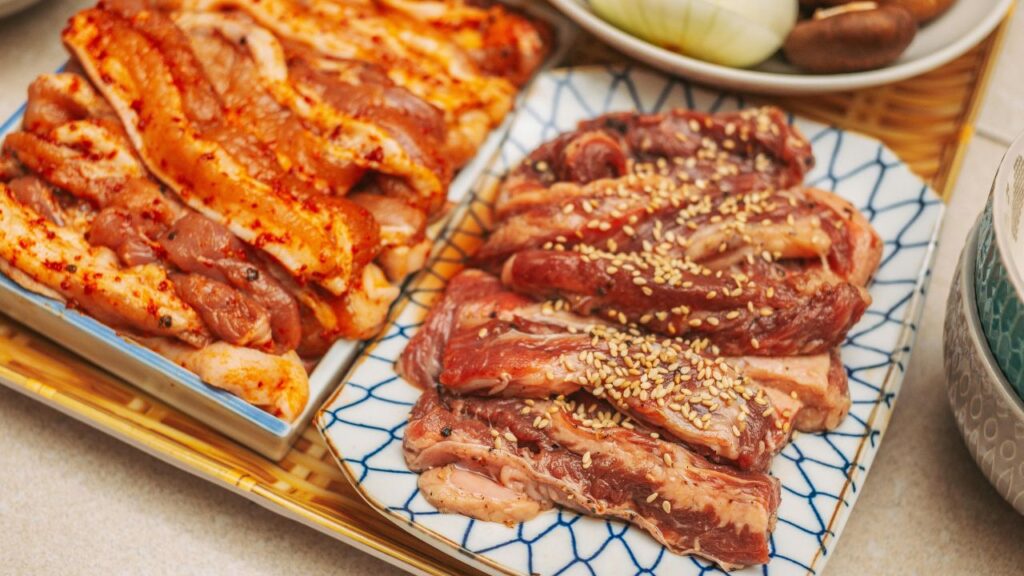
When browning meat, the goal is to develop a rich crust without overcooking the interior. Start by bringing the meat closer to room temperature and drying its surface thoroughly. Seasoning with salt ahead of time can also enhance browning by drawing out moisture and allowing it to evaporate before cooking. Use a heavy pan that retains heat well. Cast iron and stainless steel pans are excellent choices. Allow the meat to sear undisturbed for several minutes to form a crust. Flipping too soon can tear the developing browned surface. After browning, you can use the flavorful browned bits left in the pan—known as fond—to build sauces. Deglazing with wine, broth, or water dissolves these flavorful compounds, adding depth to your dish.
Browning Vegetables and Plant-Based Foods
Browning food is not limited to meat. Vegetables develop remarkable depth when roasted or sautéed at high heat. Brussels sprouts, cauliflower, carrots, and mushrooms all benefit from proper browning. Cut vegetables into uniform pieces to ensure even cooking. Toss them lightly in oil and spread them in a single layer on a baking sheet. Roast at high temperatures, usually between 400°F and 450°F, to promote caramelization and Maillard reactions. Stirring occasionally allows even browning, but avoids excessive movement that disrupts crust formation. Properly browned vegetables gain sweetness, nuttiness, and complexity.
Common Mistakes in Browning Food
One common mistake in browning food is overcrowding the pan. This traps moisture and leads to steaming rather than browning. Always leave enough space between ingredients. Another mistake is using low heat. While it may seem safer, low heat often prevents the chemical reactions responsible for browning from occurring. Conversely, extremely high heat without control can burn the food before flavors develop fully. Neglecting to preheat cooking surfaces also hinders browning. A cold pan reduces surface temperature and delays crust formation. Additionally, moving food too frequently interrupts the browning process.
Health Considerations in Browning Food
While browning food enhances flavor, excessive charring can produce potentially harmful compounds. For example, overcooking meat at very high temperatures may create heterocyclic amines (HCAs) and polycyclic aromatic hydrocarbons (PAHs). To minimize risks, avoid burning food and remove heavily charred portions. Marinating meat before cooking may reduce the formation of certain harmful compounds. Balanced cooking techniques that emphasize browning without burning provide the best combination of flavor and safety.
Difference Table Types of Browning Food
| Feature | Maillard Reaction | Caramelization | Enzymatic Browning |
| What Reacts | Amino acids (proteins) + reducing sugars | Sugars only | Enzymes + oxygen + phenolic compounds |
| Requires Heat? | Yes | Yes | No (occurs at room temperature) |
| Temperature Range | Begins around 285°F (140°C) | Begins around 320°F (160°C) | Occurs after cutting or bruising food |
| Common Examples | Seared steak, toasted bread, roasted coffee | Caramel sauce, browned onions, crème brûlée | Apples turning brown, avocados darkening |
| Flavor Development | Savory, roasted, nutty, umami | Sweet, nutty, slightly bitter | Mild flavor change, sometimes undesirable |
| Color Produced | Brown crust or golden surface | Amber to deep brown | Light brown to dark brown |
| How to Control | Dry surface, high heat, avoid overcrowding | Careful heat control, monitor sugar | Use acid (lemon juice), limit air exposure |
| Culinary Importance | Builds complex savory flavors | Enhances sweetness and depth | Often prevented for freshness |
Browning in Baking and Desserts
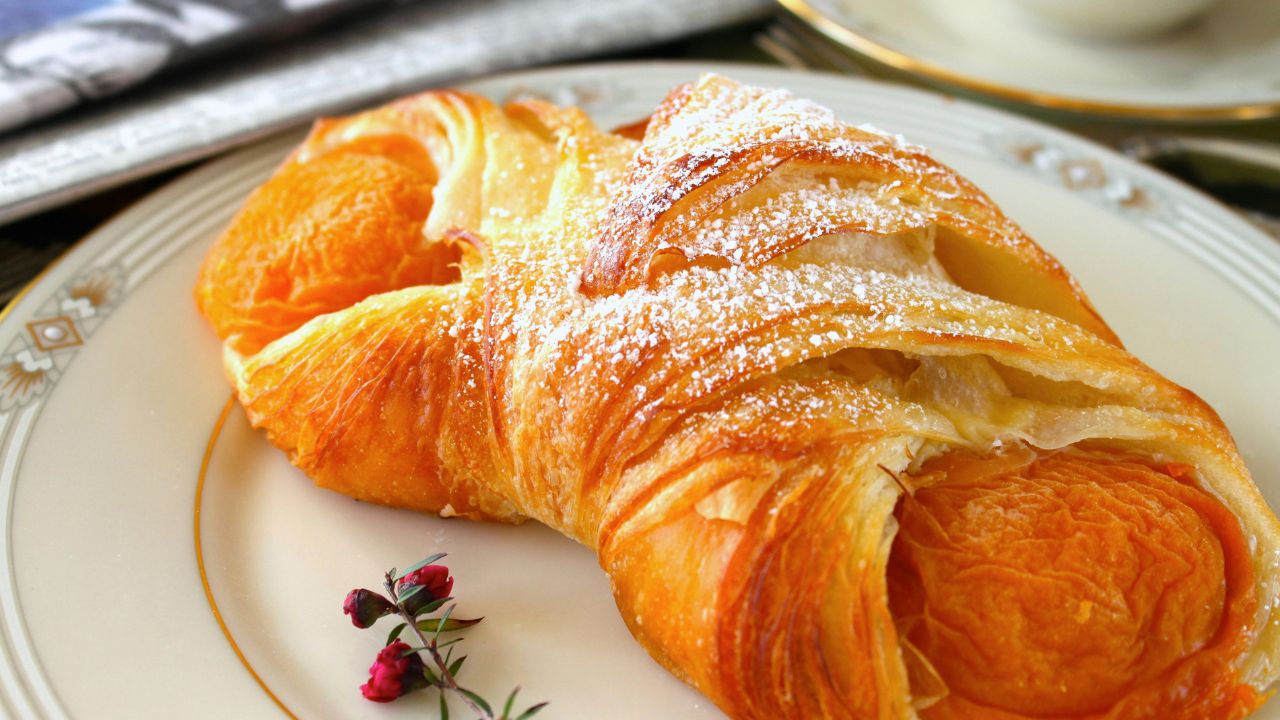
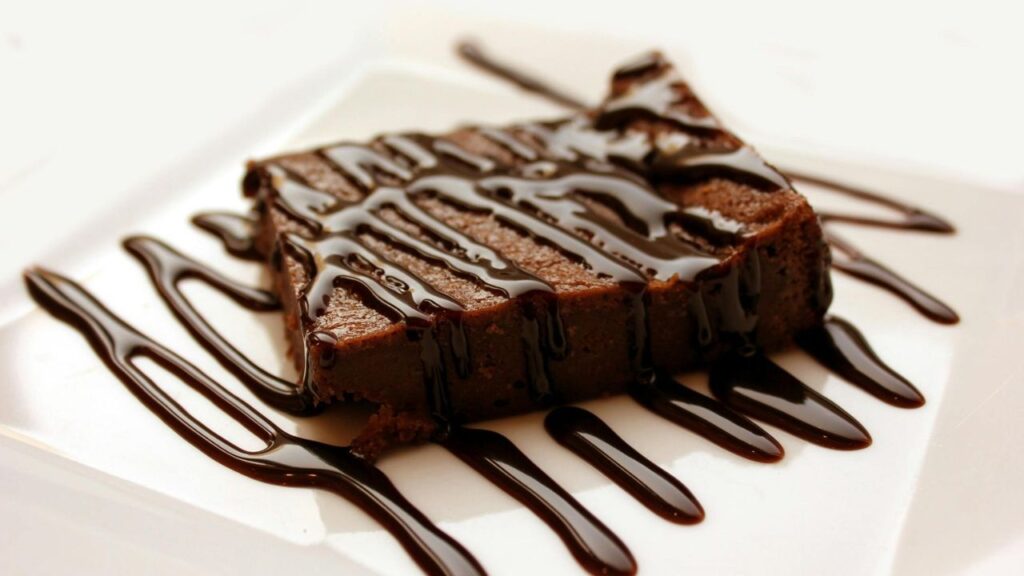
This food plays a crucial role in baking. The golden crust of bread, the color of cookies, and the rich surface of cakes are all products of Maillard reactions and caramelization. Egg washes on pastries promote browning by adding proteins and sugars to the surface. Sugar content influences how quickly baked goods brown, while oven temperature affects both crust development and interior texture. Achieving even browning in baking often requires proper rack placement and sometimes rotating pans midway through baking.
FAQs
1. Why is my food not browning properly?
Food often fails to brown because of excess moisture or low heat. If the surface is wet, the temperature stays too low for browning reactions to occur. Pat food dry before cooking and make sure your pan or oven is properly preheated. Avoid overcrowding, as this causes steaming instead of browning.
2. Is browning food the same as burning it?
No, browning and burning are different. Browning creates complex flavors through controlled chemical reactions like the Maillard reaction and caramelization. Burning happens when food is exposed to excessive heat for too long, producing bitter flavors and blackened surfaces. The goal is a deep golden-brown color, not black char.
3. How can I prevent fruits from turning brown?
To prevent enzymatic browning in fruits like apples or avocados, reduce their exposure to oxygen. You can brush them with lemon juice, lime juice, or another acidic ingredient. Storing them in airtight containers or wrapping them tightly also slows the browning process.
4. Does browning food make it taste better?
In most cases, yes. Browning develops rich, savory, sweet, and nutty flavors that boiling or steaming cannot produce. The contrast between a crisp exterior and tender interior also improves texture, making dishes more satisfying and flavorful.
5. Is browned food unhealthy?
Browning itself is not unhealthy and is a natural part of cooking. However, excessive charring—especially on meats cooked at very high temperatures—can create potentially harmful compounds. The key is controlled browning without heavy blackened or burnt areas.