In today’s fast-paced world, convenience and nutrition must work together. One of the most practical innovations in modern healthy cooking is miniature riced vegetables. These finely chopped vegetables, processed into rice-sized pieces, provide a nutrient-dense, low-carb alternative to traditional grains. From weeknight dinners to specialized diet plans, miniature riced vegetables are becoming a staple in kitchens around the world. This article explores what miniature riced vegetables are, why they are growing in popularity, their nutritional benefits, preparation methods, and how to use them creatively in everyday meals.

What Are Miniature Riced Vegetables?
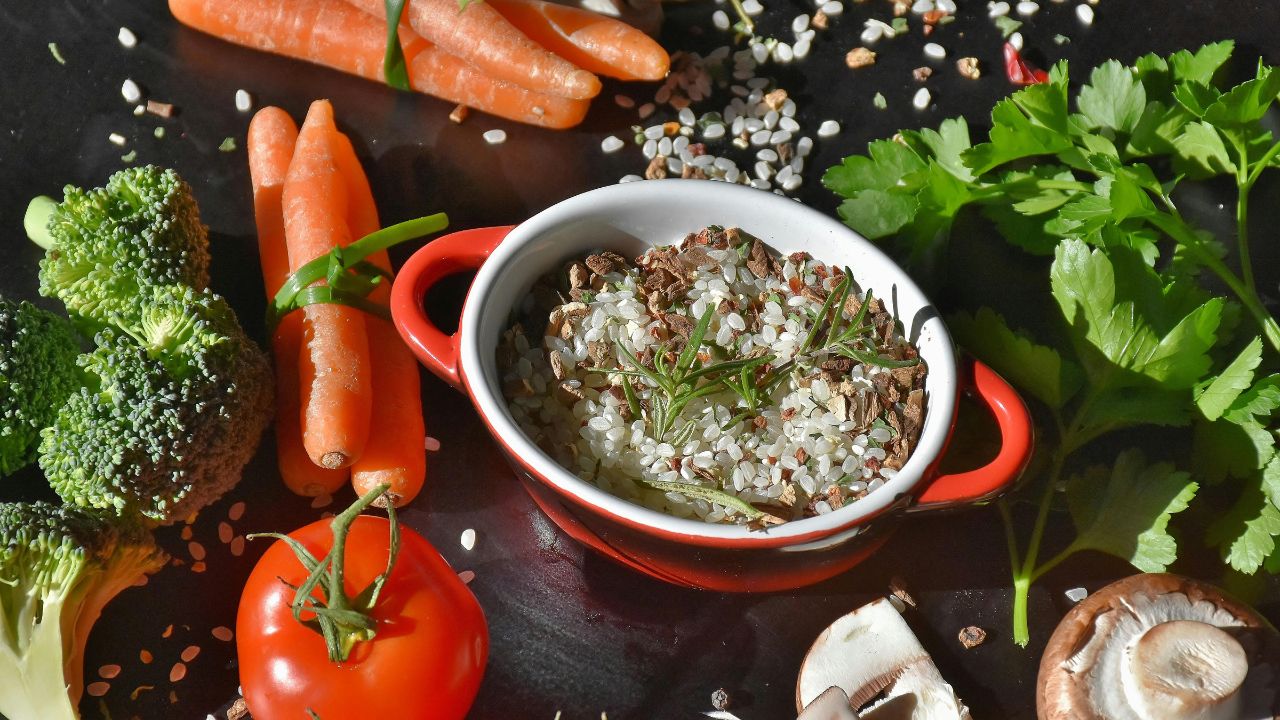
Miniature riced vegetables are fresh vegetables that have been chopped or processed into small, uniform pieces that resemble grains of rice. The most common example is cauliflower rice, but today the category has expanded to include broccoli, carrots, zucchini, sweet potatoes, and mixed vegetable blends. The process involves pulsing vegetables in a food processor or grating them until they reach a rice-like texture. The result is a versatile base that mimics the look and feel of traditional rice while offering far more nutritional value. These products are available fresh, frozen, and even pre-seasoned, making them convenient for modern cooking.
Miniature Riced Vegetables Are So Popular
The rise of miniature riced vegetables is closely linked to changing dietary trends. Consumers are increasingly focused on reducing refined carbohydrates, increasing vegetable intake, and finding gluten-free alternatives. Miniature riced vegetables satisfy all three goals. First, they are naturally low in carbohydrates compared to white or brown rice. For individuals following low-carb or ketogenic diets, this makes them an ideal substitute. Second, they are gluten-free, which makes them suitable for people with celiac disease or gluten sensitivities. Third, they offer a way to increase daily vegetable consumption without drastically altering familiar meals. Convenience also plays a major role. Many grocery stores sell ready-to-cook versions that can be microwaved or sautéed in minutes. For busy families and professionals, this saves time while maintaining nutritional quality.
Nutritional Benefits of Miniature Riced Vegetables
One of the strongest advantages of miniature riced vegetables is their impressive nutrient profile. Although nutritional content varies depending on the vegetable used, most options share several benefits. They are typically low in calories, making them helpful for weight management. They are high in fiber, which supports digestive health and promotes feelings of fullness. Many varieties are rich in vitamins such as vitamin C, vitamin K, and folate. Antioxidants found in vegetables like broccoli and carrots help combat oxidative stress and support overall health. For example, cauliflower is known for its high vitamin C content and anti-inflammatory compounds. Broccoli provides additional iron and powerful plant-based nutrients. Carrots contribute beta-carotene, which supports vision and immune health. Replacing traditional rice with miniature riced vegetables even a few times per week can significantly increase nutrient intake without increasing calorie consumption.
How to Make Miniature Riced Vegetables at Home
While store-bought options are convenient, making miniature riced vegetables at home is simple and cost-effective. The most common method involves using a food processor. Begin by washing and thoroughly drying the vegetable. Cut it into chunks and pulse briefly until rice-sized pieces form. Be careful not to over-process, as this can create a mushy texture. If a food processor is not available, a standard box grater works well. Using the medium-sized grating holes produces a texture similar to rice. After grating, lightly sauté the vegetables in a pan with a small amount of oil for five to eight minutes until tender. Proper cooking is essential. Avoid overcooking, as excess heat can release moisture and make the vegetables soggy. Cooking over medium heat and stirring occasionally produces the best texture.
Creative Ways to Use Miniature Riced Vegetables
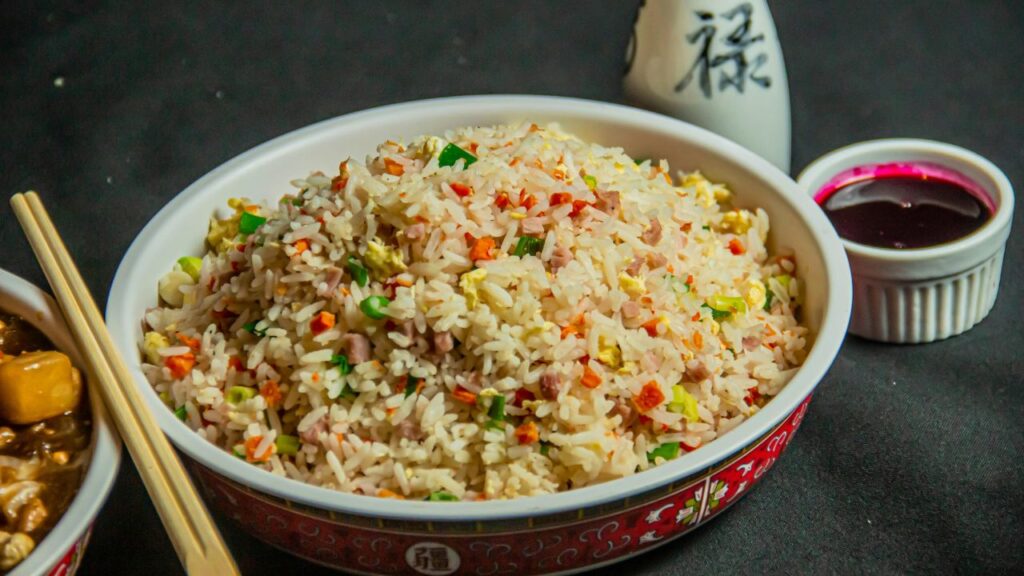
One of the greatest strengths of miniature riced vegetables is their versatility. They can replace rice in nearly any recipe while adding nutritional value. Stir-fries are a popular choice. Simply use miniature riced vegetables as a base and add lean proteins, garlic, soy sauce, and fresh herbs. Grain-free bowls are another excellent option. Combine riced vegetables with grilled chicken, tofu, roasted vegetables, avocado, and a flavorful dressing for a balanced dish. Miniature riced vegetables can also be used in stuffed peppers or zucchini boats. Mixing them with herbs, spices, and protein creates a hearty filling. They are equally effective in soups, casseroles, and even as a base for healthier versions of fried rice. For meal preparation, miniature riced vegetables can be cooked in bulk and stored in airtight containers for several days. This makes it easy to assemble quick lunches or dinners throughout the week.
Miniature Riced Vegetables and Special Diets
Riced vegetables fit seamlessly into a variety of dietary lifestyles. For those following a ketogenic diet, they provide a satisfying low-carb alternative to grains. Individuals on paleo diets appreciate that they are minimally processed and grain-free. Vegetarians and vegans benefit from the increased nutrient density and fiber content. Weight-loss plans often incorporate miniature riced vegetables because they offer volume and satiety with fewer calories. Families with mixed dietary needs also find them practical. One base ingredient can serve as both a traditional rice substitute and a vegetable-rich side dish.
Storage and Shelf Life
Proper storage ensures freshness and quality. Fresh miniature riced vegetables should be kept in an airtight container in the refrigerator and consumed within four to five days. Frozen versions last several months and retain most of their nutritional value. To maintain texture, it is important to keep the vegetables dry before cooking. Excess moisture can lead to sogginess. If necessary, gently pat them dry with a paper towel before sautéing. Despite their many advantages, miniature rice vegetables are not identical to traditional rice. The texture is softer and less dense. Some varieties release water during cooking, which requires careful preparation. Pre-packaged versions can also be more expensive than whole vegetables.
Environmental and Lifestyle Benefits
Beyond nutrition, miniature riced may support more sustainable eating habits. Vegetables generally require fewer resources to produce than highly processed grains and packaged convenience foods. Preparing them at home also reduces reliance on heavily packaged products. Despite their many advantages, miniature rice vegetables are not identical to traditional rice. The texture is softer and less dense. Some varieties release water during cooking, which requires careful preparation. Pre-packaged versions can also be more expensive than whole vegetables. In addition, choosing vegetable-based alternatives encourages a more plant-forward diet, which is associated with numerous long-term health benefits. However, these drawbacks are minor compared to the overall health benefits. With proper cooking techniques, most texture issues can be easily managed.
Miniature Riced Vegetables vs Traditional Rice
| Feature | Miniature Riced Vegetables | Traditional Rice |
| Main Ingredient | Finely chopped vegetables such as cauliflower, broccoli, carrots, or zucchini | Grains such as white rice or brown rice |
| Carbohydrate Content | Low in carbohydrates (varies by vegetable) | High in carbohydrates |
| Calorie Count | Generally low in calories | Moderate to high in calories |
| Fiber Content | High in fiber | Lower fiber (white rice), moderate (brown rice) |
| Gluten Content | Naturally gluten-free | Naturally gluten-free, but may be cross-contaminated during processing |
| Vitamin Content | Rich in vitamins C, K, folate, and antioxidants | Limited vitamins (brown rice contains more nutrients than white rice) |
| Cooking Time | 5–10 minutes | 15–40 minutes depending on type |
| Texture | Softer and lighter | Firmer and more grain-like |
| Blood Sugar Impact | Lower glycemic impact | Higher glycemic index, especially white rice |
| Suitability for Diets | Ideal for keto, low-carb, paleo, and weight-loss diets | Suitable for balanced diets but limited for low-carb plans |
The Growing Future of Miniature Riced Vegetables
As consumers continue to prioritize health, convenience, and plant-based nutrition, riced vegetables are likely to remain a permanent fixture in modern kitchens. Food manufacturers are expanding their offerings, and restaurants increasingly include vegetable rice alternatives on their menus. The movement toward vegetable-focused meals is not simply a passing trend. It reflects a broader shift in how people think about nutrition, wellness, and sustainability. Miniature riced align perfectly with these evolving priorities. Miniature riced offer a practical and nutritious alternative to traditional grains. They are low in carbohydrates, rich in vitamins and fiber, easy to prepare, and highly versatile in cooking. Whether used in stir-fries, bowls, stuffed dishes, or meal preparation, they provide a simple way to enhance daily nutrition
FAQs
1. Are miniature riced healthier than traditional rice?
Miniature riced vegetables are often considered healthier because they are lower in calories and carbohydrates while being higher in fiber and vitamins. They also contain antioxidants that support overall health. However, traditional rice can still be part of a balanced diet, especially whole grain varieties like brown rice.
2. Do miniature rice vegetables taste like rice?
Miniature riced do not taste exactly like rice. Their flavor depends on the vegetable used. For example, cauliflower has a mild taste that absorbs seasonings well, while broccoli or carrots may add a slightly stronger flavor. With proper seasoning, they can closely mimic rice in many dishes.
3. Can I eat miniature rice vegetables every day?
Yes, you can include miniature riced in your daily meals. They are nutrient-dense and low in calories. However, it is important to maintain dietary variety and include other whole foods such as lean proteins, healthy fats, and different vegetables for balanced nutrition.
4. How do I prevent miniature riced from becoming soggy?
To avoid sogginess, make sure the vegetables are dry before cooking. Use medium heat and avoid overcooking. Cooking them uncovered in a sauté pan allows excess moisture to evaporate. Avoid adding salt at the beginning, as it can draw out water.
5. Are frozen miniature rice vegetables as nutritious as fresh ones?
Frozen miniature riced vegetables are generally just as nutritious as fresh ones. Vegetables are typically frozen soon after harvest, which helps preserve their vitamins and minerals. They are also convenient and have a longer shelf life, making them a practical option for meal preparation.