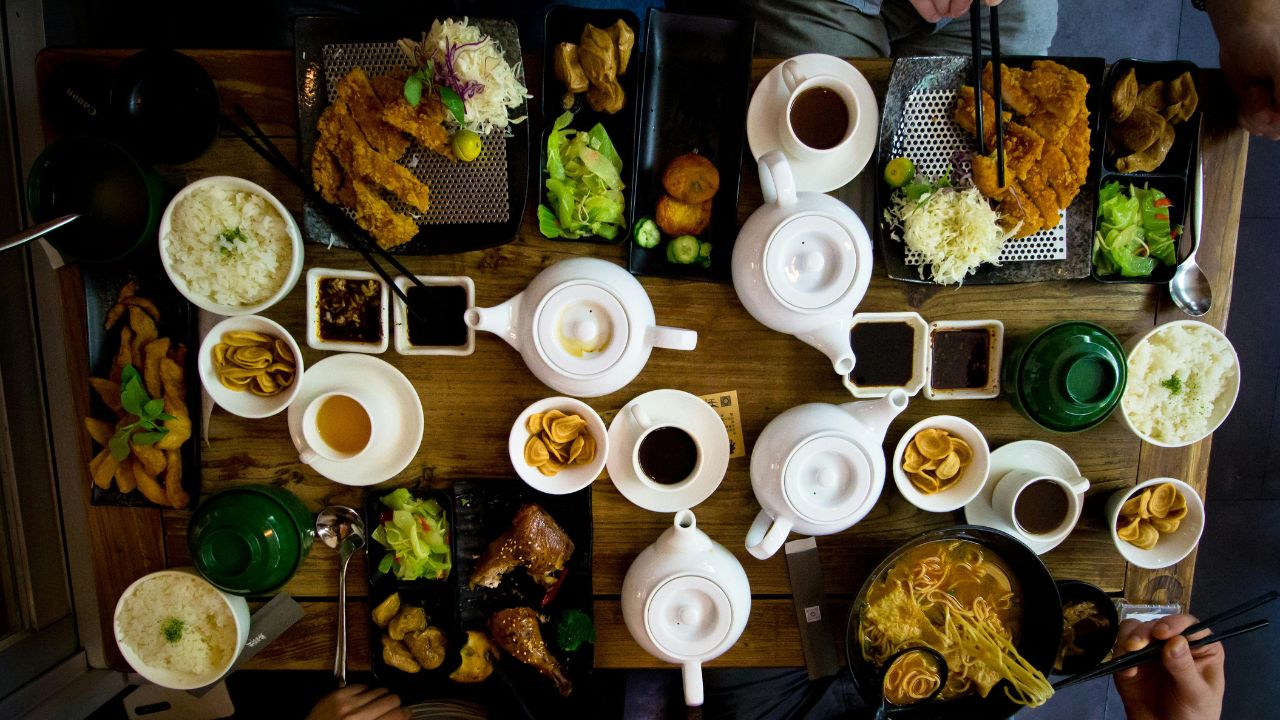
Food in America has evolved dramatically over centuries, shaped by indigenous traditions, waves of immigration, agricultural innovation, and globalization. These ingredients formed the backbone of early American diets and continue to influence modern cuisine. When European colonists arrived, they brought livestock, wheat, and new cooking techniques. Over time, African, Asian, Latin American, and Middle Eastern influences layered additional flavors and traditions into the American culinary landscape. The result is not a single cuisine but a constantly evolving fusion of regional specialties and international inspirations. Today, food in America reflects both its history and its diversity. From farm-to-table movements to fast food chains, American cuisine continues to redefine itself while honoring its roots.
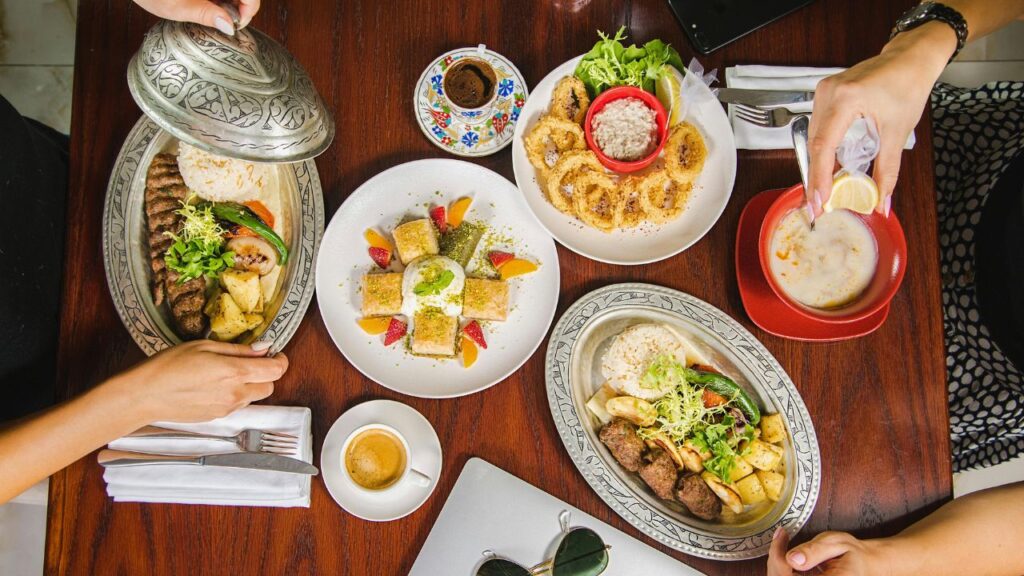
Regional Diversity Across the United States
One of the defining features of food in America is its strong regional identity. Each part of the country boasts distinct flavors, cooking methods, and iconic dishes shaped by geography and cultural heritage. In the South, comfort food reigns supreme. Fried chicken, biscuits, collard greens, and barbecue are staples deeply rooted in African American culinary traditions. Texas is known for brisket and smoky barbecue, while Louisiana’s Creole and Cajun cuisines offer gumbo and jambalaya influenced by French, Spanish, and African cultures. The Northeast offers seafood like clam chowder and lobster rolls, particularly in coastal states. New England cuisine highlights simplicity and fresh ingredients. Meanwhile, New York City stands as a culinary capital where bagels, pizza, and international street foods coexist on every corner. The Midwest is often associated with hearty, farm-based meals.
Fast Food and Convenience Culture
No discussion of food in America is complete without addressing fast food. The rise of drive-thrus, chain restaurants, and pre-packaged meals reshaped how Americans eat. Companies like McDonald’s, Burger King, and KFC popularized affordable, quick meals that fit busy lifestyles. Fast food became symbolic of American efficiency and consumer culture. Standardized menus, speedy service, and nationwide branding allowed chains to dominate both domestic and international markets. Burgers, fries, fried chicken, and milkshakes became globally recognized as American staples. However, convenience culture also introduced concerns about health, nutrition, and sustainability. High-calorie meals and processed ingredients contributed to rising obesity rates and sparked debates about food labeling and public health policy. In response, many fast food chains have expanded their menus to include salads, fruit options, and plant-based alternatives.
The Influence of Immigration
Immigration has profoundly shaped food in America. Each wave of newcomers brought culinary traditions that gradually became mainstream. Italian immigrants popularized pizza and pasta, while Chinese immigrants introduced dishes like stir-fry and dumplings. Mexican cuisine, including tacos and enchiladas, is now deeply embedded in American food culture. Cities such as New York City, Los Angeles, and Chicago serve as culinary melting pots where global flavors intersect. Ethnic neighborhoods offer authentic cuisines, while fusion restaurants blend traditions in innovative ways. Over time, many immigrant dishes adapted to local tastes and ingredient availability. For example, American-style pizza differs significantly from its Italian origins, often featuring thicker crusts and abundant toppings. Similarly, Chinese-American dishes such as General Tso’s chicken were developed specifically for American diners. This blending of cultures demonstrates how food in America is not static but continuously reimagined through cultural exchange.
Agriculture and Farm Culture
Agriculture plays a foundational role in food in America. The United States is one of the world’s largest producers of corn, soybeans, wheat, and beef. The vast farmland of states like Iowa, Nebraska, and Kansas supports both domestic consumption and global exports. Industrial farming has allowed food production on a massive scale, making groceries widely available and relatively affordable. Supermarkets offer year-round access to fresh produce, dairy, and meat products, regardless of season. At the same time, there has been growing interest in sustainable and organic farming. Farmers’ markets have become popular gathering spaces where consumers buy locally grown fruits, vegetables, and artisanal goods. The farm-to-table movement emphasizes transparency, environmental responsibility, and community support. As climate change and environmental concerns grow, conversations about sustainable agriculture continue to influence how Americans produce and consume food.
Health Trends and Dietary Shifts
Food in America has seen significant dietary shifts over the past few decades. While traditional comfort foods remain popular, there is increasing awareness of nutrition and wellness. Organic products, gluten-free options, plant-based diets, and low-carb lifestyles have gained traction. Major grocery chains now dedicate aisles to specialty health products. Restaurants clearly label calories and allergens, helping customers make informed decisions. Vegan and vegetarian alternatives are no longer niche; plant-based burgers and dairy substitutes are widely available. Simultaneously, Americans face ongoing public health challenges related to diet. High consumption of sugar, sodium, and processed foods contributes to chronic conditions such as diabetes and heart disease. This tension between indulgence and health consciousness defines much of the modern American food conversation.

The Role of Technology in Food Consumption
Technology has transformed food in America in unprecedented ways. Food delivery apps, online grocery shopping, and meal kit subscriptions have changed how people access and prepare meals. Companies offer curated recipes with pre-measured ingredients delivered directly to homes, simplifying cooking for busy families. Social media platforms influence food trends rapidly. Viral recipes, aesthetic plating, and influencer endorsements can make certain dishes or ingredients popular overnight. Restaurants rely heavily on digital marketing and online reviews to attract customers. Automation and innovation also impact food production. From advanced irrigation systems to lab-grown meat research, technological advancements aim to make food systems more efficient and sustainable.
Traditional vs Modern Food in America
| Aspect | Traditional Food in America | Modern Food in America |
| Ingredients | Locally sourced, seasonal, farm-grown ingredients | Processed, imported, year-round availability |
| Cooking Methods | Home-cooked meals, slow cooking, baking, smoking | Fast food, microwaving, air frying, meal kits |
| Cultural Influence | Rooted in Native American, European, and early immigrant traditions | Strong global fusion influence (Asian, Latin American, Middle Eastern, etc.) |
| Portion Sizes | Moderate portions based on family-style meals | Larger portions, supersizing, convenience packaging |
| Dining Style | Family gatherings, holiday traditions, home dining | On-the-go eating, takeout, delivery apps |
| Health Focus | Natural, less processed but often high in fats | Mix of highly processed foods and health-conscious options (organic, vegan, gluten-free) |
| Food Access | Local markets and farms | Supermarkets, online grocery, food delivery services |
| Technology Role | Minimal technology in preparation | Digital ordering, food apps, automated kitchens |
| Examples | Southern fried chicken, homemade pies, clam chowder | Plant-based burgers, fast food chains, fusion tacos |
| Sustainability Awareness | Based on necessity and seasonal farming | Growing focus on organic, sustainable, and eco-friendly practices |
Cultural Celebrations and Food Traditions
Food in America is closely tied to holidays and cultural celebrations. Thanksgiving features roast turkey, stuffing, cranberry sauce, and pumpkin pie—dishes that reflect both Native American and colonial influences. The Fourth of July is synonymous with barbecues, hot dogs, and apple pie. Religious and cultural festivals further diversify American cuisine. Lunar New Year celebrations highlight Asian dishes, while Cinco de Mayo showcases Mexican-inspired foods. Jewish holidays feature traditional foods like challah and matzo ball soup, and Diwali celebrations include Indian sweets and savory snacks. These traditions reinforce the idea that food in America is not merely sustenance but a powerful expression of identity, memory, and community.
FAQs
1. What is the most popular food in America?
Some of the most popular foods in America include burgers, pizza, fried chicken, tacos, and sandwiches. Fast food chains such as McDonald’s have helped popularize burgers and fries worldwide. However, popularity can vary by region and cultural background.
2. Why is American food so diverse?
American food is diverse because the country is built on immigration. People from Europe, Asia, Africa, and Latin America brought their cooking traditions, which blended with local ingredients. Cities like New York City showcase this diversity with restaurants offering cuisines from around the world.
3. Is fast food a big part of food in America?
Yes, fast food plays a significant role in American eating habits. Busy lifestyles, drive-thru culture, and affordable pricing have made fast food extremely common. However, there is also a growing demand for healthier and organic options.
4. What role does agriculture play in American food?
Agriculture is central to food in America. The United States is one of the world’s largest producers of corn, wheat, soybeans, and beef. Large-scale farming ensures consistent food supply both domestically and internationally.
5. How is food in America changing today?
Food in America is shifting toward sustainability and health awareness. Plant-based diets, organic farming, food delivery apps, and global fusion cuisine are shaping modern eating habits. Consumers are increasingly concerned about nutrition, environmental impact, and ethical sourcing.