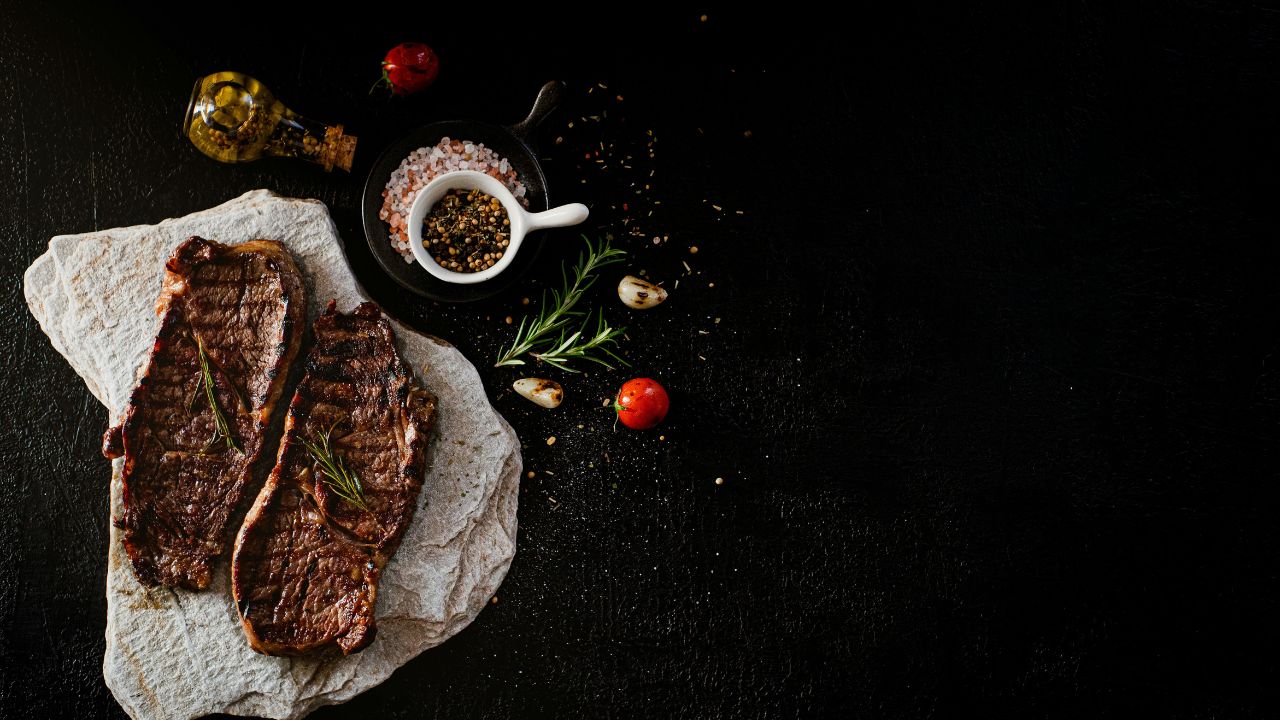
Choosing the right prime meat choice can completely change the way your meal tastes, feels, and satisfies everyone at the table. Whether you are preparing a family dinner, hosting a barbecue, or planning a special celebration, understanding how to select high-quality meat makes all the difference. Many people feel confused when they see different labels, grades, and cuts at the store. This guide explains everything in simple and easy wording so you can confidently choose the best option. From understanding grading systems to picking the right cut for your recipe, this article will help you make a smart and flavorful prime meat every time.
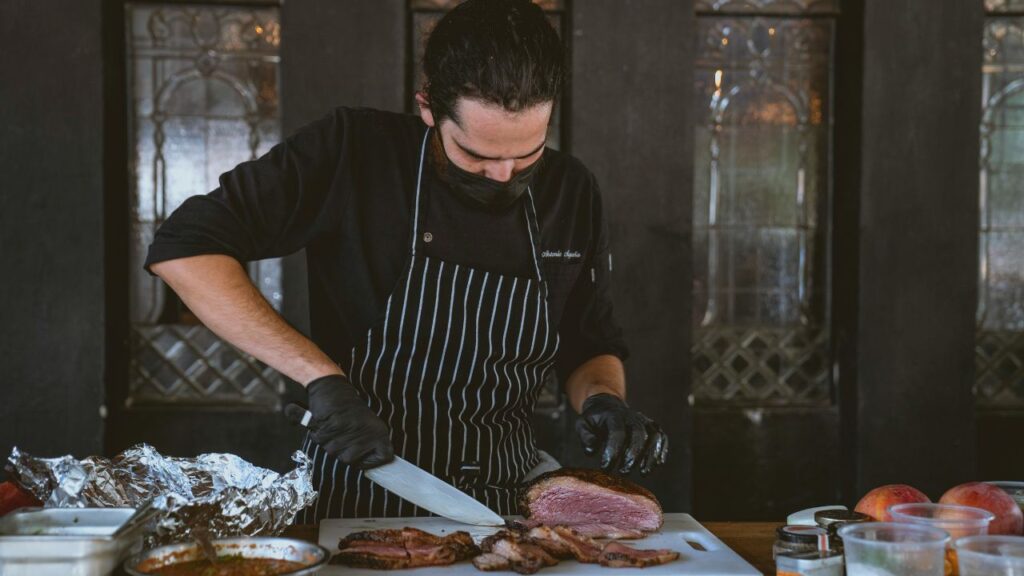
Understanding What Prime Meat Choice Really Means
A prime meat refers to meat that stands out in tenderness, flavor, and overall quality. In the United States, beef is graded by the United States Department of Agriculture into categories such as Prime, Choice, and Select. Prime grade beef contains more marbling, which means small streaks of fat within the muscle. This marbling melts during cooking and creates a juicy and tender result. Choice grade is slightly leaner but still high quality, while Select is usually leaner and less tender. Knowing this system helps you understand what you are paying for. A true prime meat should look fresh, evenly colored, and well-marbled. It should feel firm but not hard, and it should not have a strong smell. When you understand these basics, you can shop with more confidence and avoid wasting money on lower-quality options.
Prime Meat Choice for Beef Lovers
For beef lovers, selecting the right prime meat starts with knowing the popular cuts. Ribeye is famous for its rich marbling and bold flavor, making it perfect for grilling. Filet mignon is extremely tender and works well for special dinners. Sirloin offers a balance between taste and affordability. T-bone and porterhouse steaks give you two textures in one cut, combining tenderness and flavor. When choosing beef, look for bright red color and visible marbling spread evenly throughout the meat. Avoid packages with excess liquid, as this can mean the meat has been stored too long. Fresh beef should not have a sour or strong smell. Buying from a trusted butcher often gives you better quality and helpful advice. Matching your cut to your cooking method ensures your prime meat delivers the best flavor and texture possible.
How to Identify a Fresh Prime Meat Choice
Freshness is one of the most important factors when picking a prime meat choice. First, examine the color. Beef should be bright red, pork should be light pink, and lamb should have a rich red tone. Dull or gray areas may indicate age. Second, check the texture. The meat should feel firm and slightly moist but never sticky or slimy. Third, review the packaging date and storage temperature. Meat should always be stored below 40°F (4°C) to stay safe. If you are buying from a butcher, ask when the meat arrived. A reliable seller will provide clear information. Smell is also important. Fresh meat has a mild scent, while spoiled meat smells sour or unpleasant. Paying attention to these details ensures your prime meat is safe, flavorful, and worth your investment.
Prime Meat Choice for Grilling and BBQ
Grilling enhances flavor, so selecting the right prime meat is essential. Cuts with higher marbling perform best because the fat melts over heat and keeps the meat juicy. Ribeye, strip steak, and short ribs are excellent grilling options. Before cooking, allow the meat to sit at room temperature for about 20 to 30 minutes. This helps it cook evenly. Keep seasoning simple with salt and pepper to highlight the natural taste. Preheat your grill properly to create a good sear. Avoid flipping the meat too often, as this can prevent a proper crust from forming. Using a meat thermometer helps you cook to your preferred level of doneness without overcooking. Let the meat rest for several minutes after grilling so the juices settle. These simple steps ensure your prime meat choice remains tender and delicious.
Prime Meat Choice for Healthy Eating
A prime meat choice can still fit into a healthy lifestyle. Not all premium cuts are high in fat. Lean options such as sirloin, tenderloin, and round cuts provide high-quality protein with moderate fat levels. Trimming visible fat before cooking can reduce calorie intake. Cooking methods also matter. Grilling, baking, or broiling uses less added fat compared to frying. Portion control is equally important. A serving about the size of your palm is usually enough. Pair your meat with vegetables and whole grains to create a balanced meal. Choosing quality over quantity allows you to enjoy your prime meat choice while maintaining a healthy diet.
Comparing Prime Meat Choice with Regular Meat
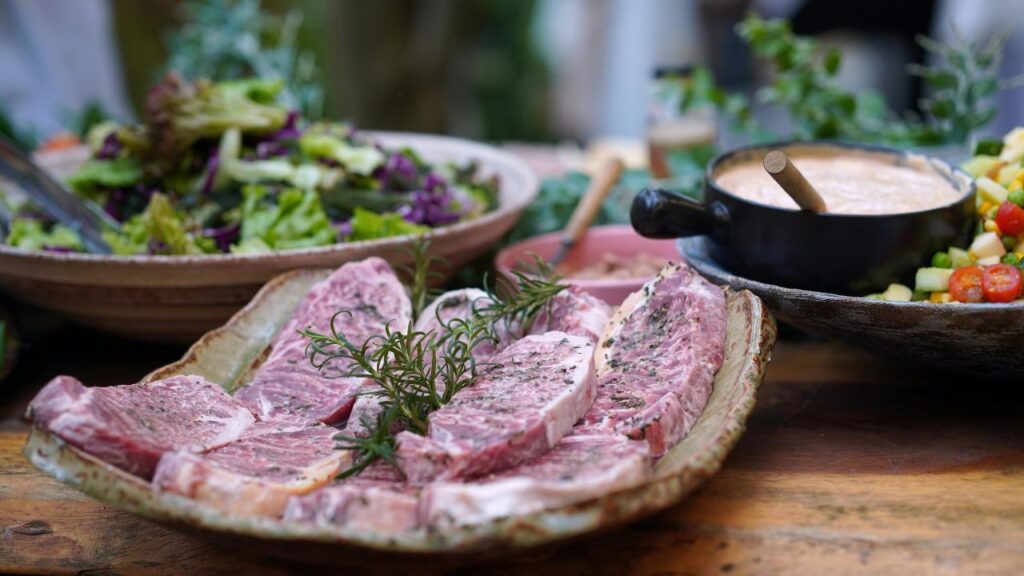
There is a clear difference between a prime meat choice and regular meat. Prime cuts generally have more marbling, better tenderness, and richer flavor. Regular meat is often leaner and may require longer cooking methods to become tender. Prime meat tends to be more expensive because it represents a smaller percentage of total production and offers superior eating quality. However, regular meat can still be enjoyable if cooked correctly. Slow cooking methods like braising or stewing can improve tenderness in lower-grade cuts. Understanding these differences helps you decide when it is worth paying extra for a premium experience and when a more affordable option will work well.
Prime Meat Choice vs Regular Meat
| Comparison Point | Prime Meat Choice | Regular Meat |
| Quality Grade | Higher grade with strict standards | Standard or lower grade |
| Marbling | Rich marbling throughout the meat | Little to moderate marbling |
| Tenderness | Naturally very tender | Can be slightly firm or chewy |
| Flavor | Deep, rich, and juicy flavor | Mild and less intense flavor |
| Price Range | More expensive due to premium quality | More budget-friendly |
| Best Cooking Methods | Grilling, roasting, pan-searing | Slow cooking, braising, stewing |
| Cooking Time | Cooks evenly and often faster | May require longer cooking to soften |
| Ideal For | Special dinners, BBQ, celebrations | Everyday home meals |
| Availability | Limited supply in stores | Easily available in most markets |
| Overall Experience | Restaurant-style taste at home | Simple and practical option |
Buying Meat Choice from Butchers vs Supermarkets
Where you buy your prime meat choice can impact quality. Local butchers often provide fresher cuts and detailed information about sourcing. They may also offer custom cuts based on your needs. Supermarkets provide convenience and competitive pricing, but quality can vary. Always inspect packaging carefully in large stores and avoid damaged or leaking packages. Check expiration dates and look at storage conditions. Building a relationship with a reliable butcher can improve your buying experience over time. Regardless of where you shop, always focus on freshness and proper handling.
FAQs
1. What does prime meat choice actually mean?
Prime meat choice refers to high-quality meat that offers better marbling, tenderness, and flavor compared to regular cuts.
2. Is prime meat choice worth the higher price?
Yes, if you want better taste and a more tender texture, especially for special meals or grilling.
3. How can I tell if my prime meat choice is fresh?
Look for bright color, firm texture, mild smell, and check the packaging or delivery date.
4. Which cooking method works best for prime meat choice?
Grilling and pan-searing are great because they lock in flavor and highlight the natural tenderness.
5. Can I freeze prime meat without losing quality?
Yes, just wrap it tightly, remove excess air, and store it properly to keep its flavor and texture intact.