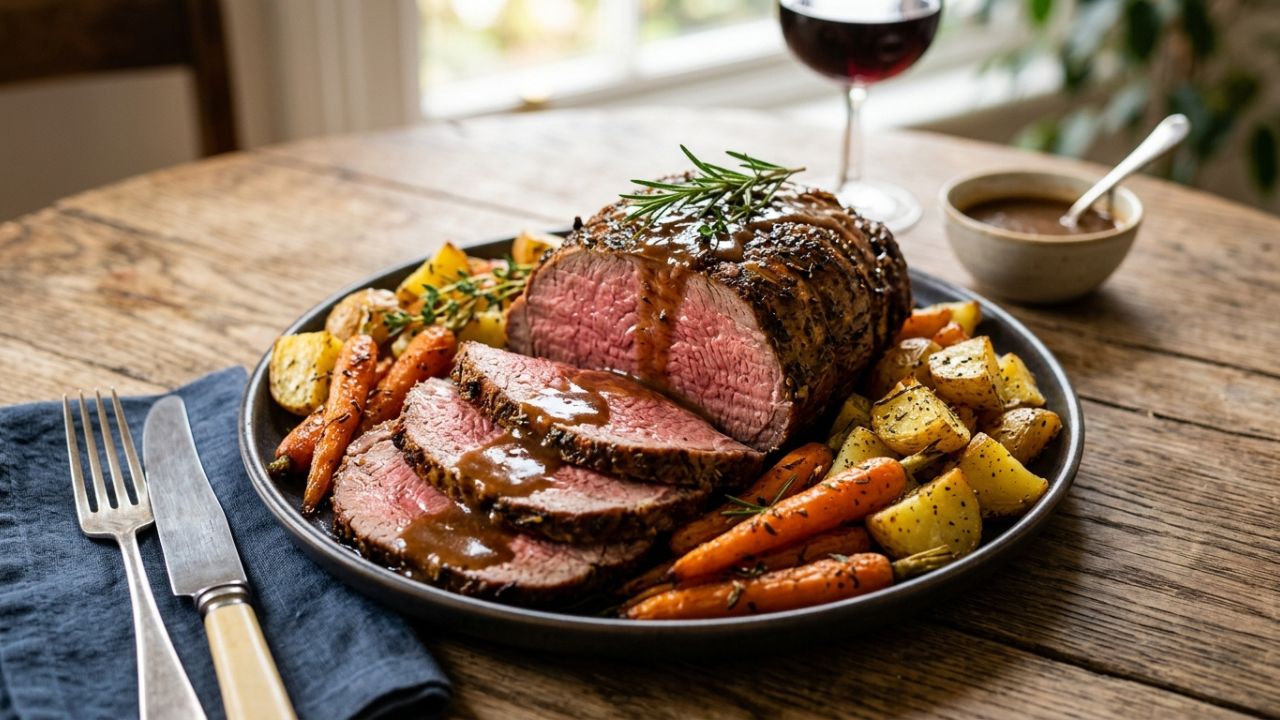
Rump roast is one of those dependable cuts of beef that rewards patience and thoughtful cooking. Taken from the rear leg of the cow, it is naturally lean and firm, yet rich in flavor. When treated with care, it transforms into a tender, juicy dish that feels both comforting and satisfying. This cut matters because it offers a practical balance between affordability and depth of flavor. While it may not be as naturally soft as premium cuts, it develops a richness that makes it ideal for slow cooking. Many home cooks appreciate it for its versatility and ability to feed a family without stretching the budget.It is especially popular among those who enjoy hearty, home-cooked meals that can be prepared in advance. In my own kitchen, rump roast is a quiet favorite. I often let it cook slowly in the oven while the aroma builds gradually, filling the space with a deep, savory warmth that signals something special is on the way.
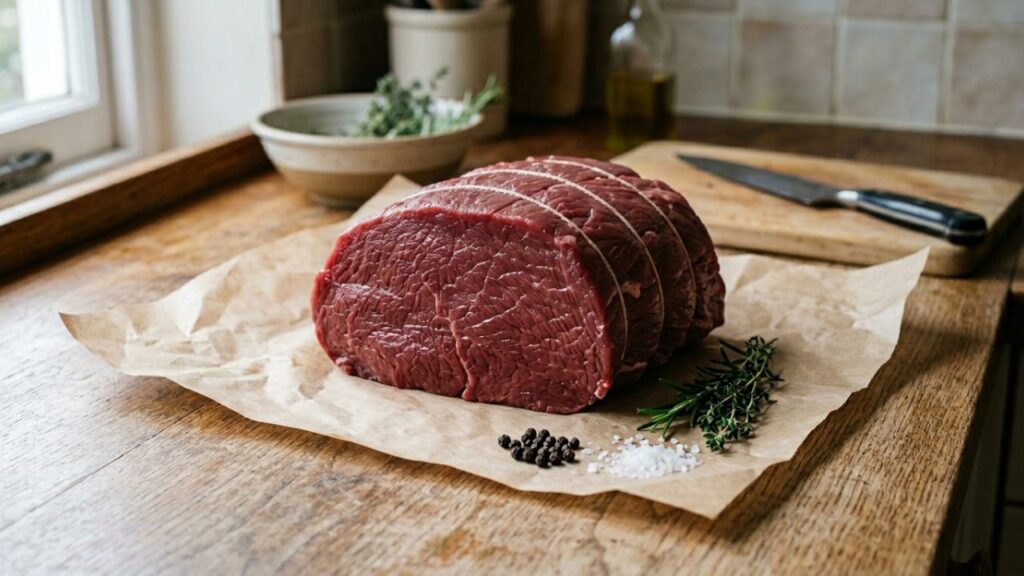
What Is Rump Roast
Rump roast is a cut of beef taken from the upper portion of the hindquarters. Because this area of the animal is used frequently, the meat is naturally firm with a tight grain. This gives it a bold, beefy flavor, but also means it requires slow cooking to become tender.
Key Characteristics
- Lean structure with minimal fat
- Deep, rich beef flavor
- Best suited for slow cooking methods
Traditionally, rump roast has been used in classic home-style meals where time and gentle heat are used to soften the meat. It is often braised or roasted in liquid, allowing it to absorb surrounding flavors while gradually breaking down into a tender texture.
Flavor Profile
The flavor is savory and full-bodied. As it cooks, it develops layers of taste from the combination of meat juices, aromatics, and cooking liquid. This slow blending of flavors creates a dish that feels grounded and deeply satisfying without being overly heavy.
Why Rump Roast Works So Well
Rump roast stands out because it responds beautifully to slow cooking techniques. Its structure allows it to absorb flavors while gradually softening, creating a natural harmony between taste and texture.
Flavor and Texture Balance
A well-prepared rump roast offers a combination of elements that work together naturally
- Umami richness from the beef
- Gentle sweetness from cooked onions
- Subtle depth from herbs and broth
The texture becomes tender enough to slice cleanly while still holding its shape. This balance makes it ideal for serving as a centerpiece dish that looks as good as it tastes.
Nutritional Value
Rump roast is a reliable source of protein and provides essential nutrients such as iron and zinc. Because it is relatively lean, it pairs well with vegetables and grains, making it suitable for balanced meals.
Everyday Practicality
It fits easily into everyday cooking routines. Once in the oven, it requires minimal attention, allowing you to focus on other tasks. It also stores well, making it a practical option for preparing meals ahead of time.
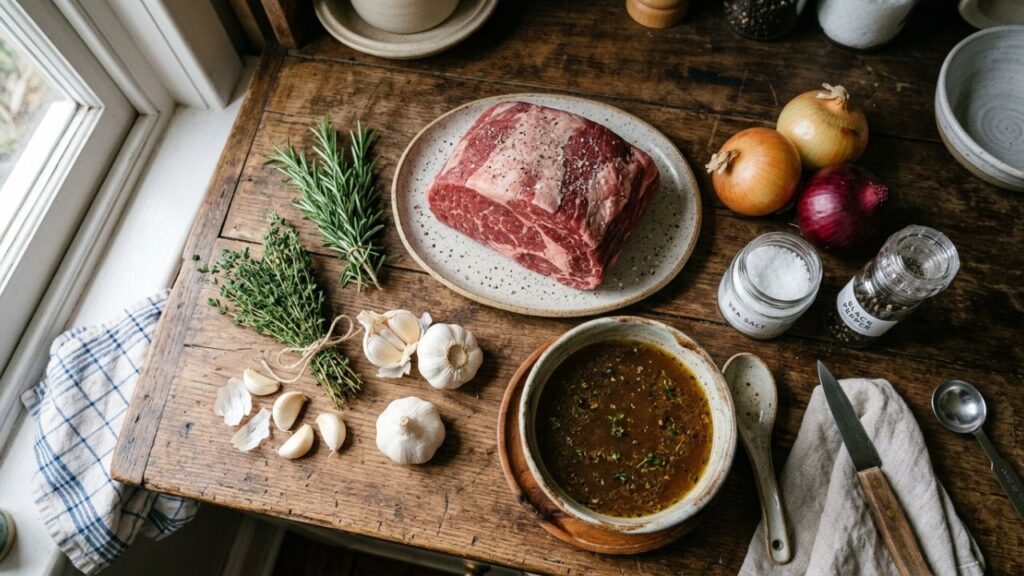
Ingredients Guide and Cooking Method
Selecting the right ingredients is essential for achieving a flavorful result. Look for a roast with a deep red color and a firm texture. Avoid meat that appears dull or overly dry, as this can affect the final outcome.
Ingredients to Focus On
- Fresh onions and garlic for aroma
- Broth to build depth and moisture
- Herbs like thyme or rosemary for balance
To begin, remove the roast from the refrigerator and allow it to rest at room temperature for about thirty minutes. This simple step helps ensure even cooking throughout the meat. Season it generously with salt and pepper, making sure all sides are evenly coated.
Heat a heavy pot over medium heat and add a small amount of oil. Once the oil is hot, place the roast into the pot and sear it on all sides. This process creates a deep brown crust that adds both flavor and texture.
Cooking Process
After searing, remove the roast and set it aside briefly. In the same pot, cook chopped onions and garlic until they become soft and aromatic. This forms the base of the dish. Add broth and gently scrape the bottom of the pot to release any browned bits, which carry concentrated flavor.
Return the roast to the pot, cover it, and place it in a preheated oven at around 160 degrees Celsius. Allow it to cook slowly for two and a half to three hours.
Sensory Cues to Watch
- The meat should feel fork-tender when pressed
- The aroma should be deep and inviting
- The cooking liquid should develop into a light, flavorful sauce
If the roast feels tough, it simply needs more time. This cut benefits from patience, and rushing the process can prevent it from reaching its full potential.
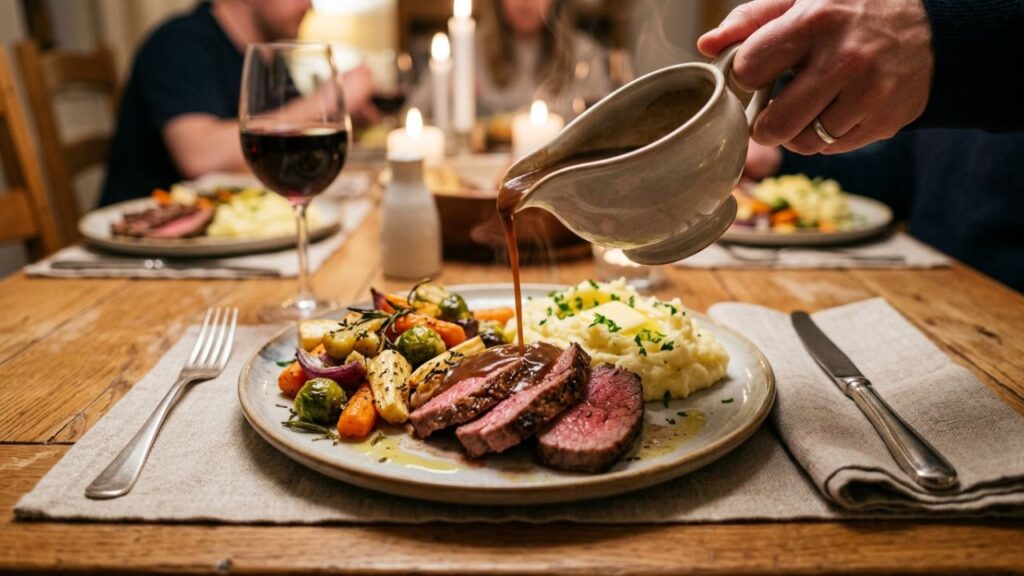
Serving, Storage, Variations, and Mistakes to Avoid
Serving rump roast can be both simple and refined. Slice it against the grain to maximize tenderness and arrange it with vegetables and sauce for a complete and satisfying plate.
Serving Ideas
- Pair with mashed potatoes or soft rice
- Serve alongside roasted or steamed vegetables
- Add a fresh salad to lighten the meal
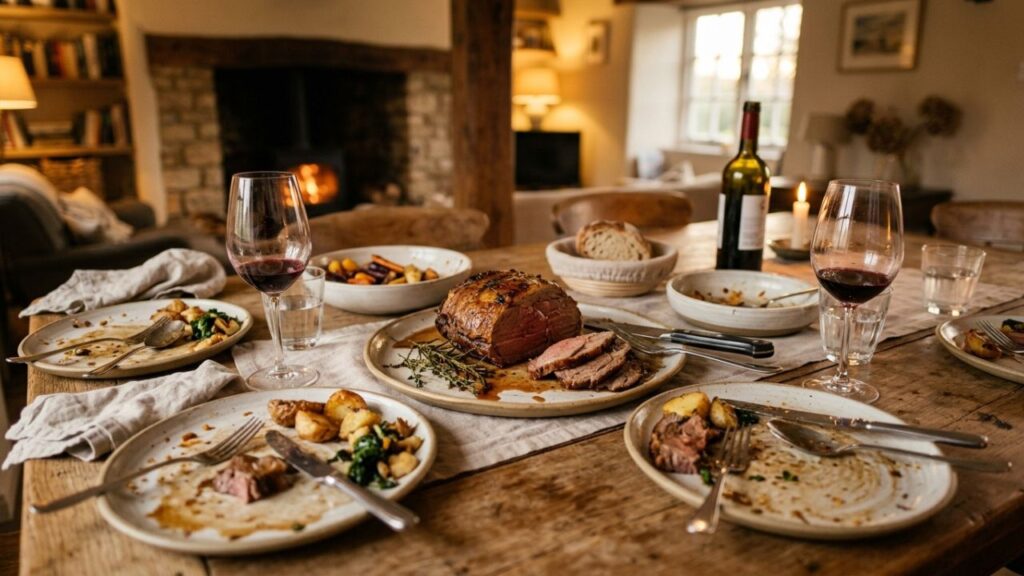
For gatherings, the roast can be brought to the table whole and carved just before serving. This creates a warm, inviting presentation. For smaller households, leftovers are part of the appeal and can be used in a variety of ways the next day.
Seasonal Variations
In warmer months, serve rump roast with lighter sides such as green beans or crisp salads. In cooler weather, include root vegetables like carrots and potatoes in the cooking pot for a more comforting meal.
Storage and Reheating
Store leftovers in an airtight container in the refrigerator for up to four days. If freezing, include some of the cooking liquid to help preserve moisture and flavor. Frozen portions can last up to three months.
When reheating, use low heat and add a small amount of broth or water. This prevents the meat from drying out and helps maintain its tenderness.
Common Mistakes to Avoid
- Skipping the searing step reduces depth of flavor
- Cutting the meat too early causes juices to escape
- Cooking at high temperatures can make the meat tough
Difference Table
| Feature | Rump Roast | Chuck Roast |
| Texture | Lean and firm | More marbled and tender |
| Flavor | Deep and beefy | Rich and slightly fatty |
| Cooking Style | Slow roasting or braising | Ideal for shredding |
| Cooking Time | Longer cooking needed | Slightly quicker |
| Best Use | Sliced main dishes | Stews and pulled beef |
FAQs
What is the best way to make rump roast tender
Slow cooking with moisture is the most reliable method. Low heat over time helps break down the muscle fibers.
How long should I cook a rump roast
It usually takes around two and a half to three hours in a low oven, depending on the size of the cut.
Do I need to sear the meat first
Searing is not strictly required, but it adds a deeper flavor and improves the final texture.
Can I cook rump roast in advance
Yes, and in many cases it tastes even better the next day as the flavors continue to develop.
What is the best way to slice rump roast
Always slice against the grain. This shortens the muscle fibers and makes each bite more tender.
Conclusion
Rump roast is a clear example of how thoughtful cooking can elevate a simple ingredient into something memorable. With time, gentle heat, and a few well-chosen ingredients, it becomes tender, flavorful, and deeply satisfying. It encourages a slower approach to cooking, one that values patience and attention to detail. Whether prepared for a quiet family dinner or enjoyed as leftovers the next day, it remains a reliable and rewarding dish that fits comfortably into everyday life.
About the Author
The author is a dedicated home cook and food writer who enjoys transforming simple ingredients into flavorful, approachable meals. With a focus on practical techniques and balanced cooking, they aim to make everyday dishes more enjoyable. Their inspiration comes from slow cooking, seasonal ingredients, and the comfort of a well-prepared meal shared at home.