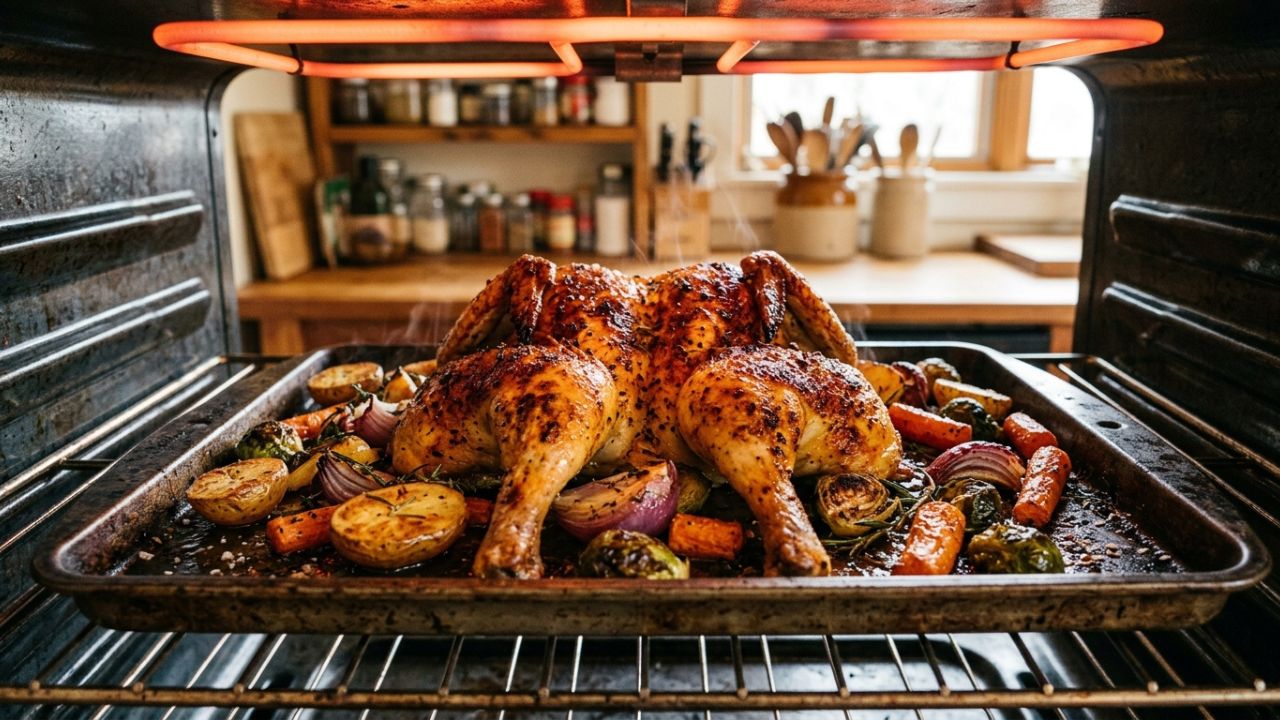
Broiler baking is one of those quietly powerful techniques that can transform simple home cooking into something far more satisfying. Instead of surrounding food with gentle, even heat like traditional baking, the broiler delivers intense heat from above, creating beautifully browned surfaces and crisp edges in minutes. It’s the difference between something that’s just cooked and something that looks and tastes finished. This method matters because texture plays such a big role in how we experience food. A golden crust on vegetables or a lightly charred top on a casserole adds depth that’s hard to achieve otherwise. It also saves time, making it especially useful for busy kitchens.
Home cooks who enjoy bold flavor and efficient cooking tend to appreciate broiler baking the most. In my own kitchen, I often rely on the broiler as a final step—it’s that last burst of heat that brings color, aroma, and a sense of completeness to the dish.
What Is Broiler Baking?
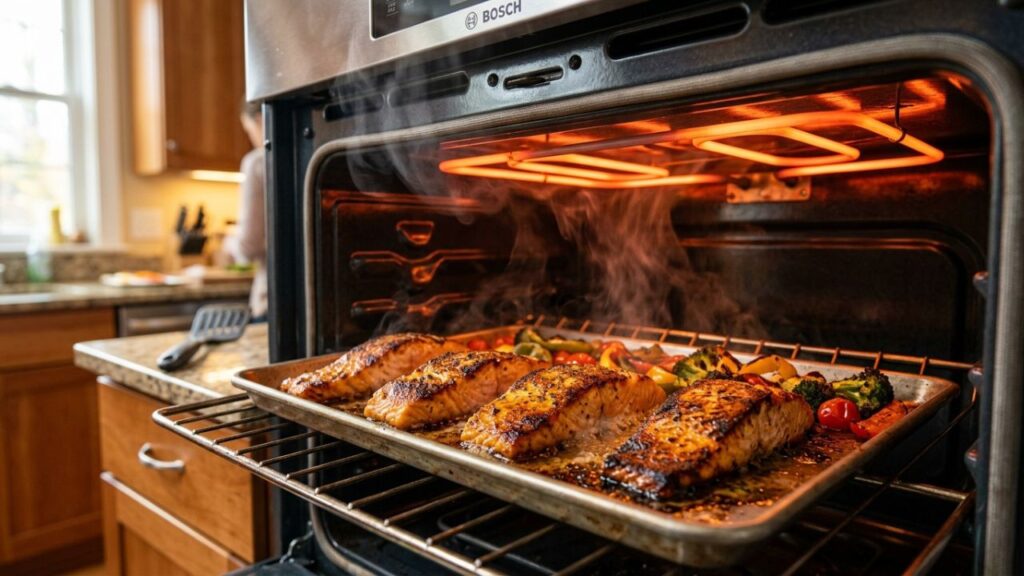
Broiler baking is a cooking method that uses direct, high heat from the top of the oven. Unlike standard baking, where heat circulates evenly, broiling focuses heat downward, exposing the surface of the food to intense temperatures. This technique is rooted in traditional open-flame cooking, where food is exposed to direct heat to create char and caramelization. Over time, ovens adapted this concept into a controlled indoor method.
The flavor profile created by broiling is distinct. Foods develop a slightly crisp exterior, with caramelized sugars and browned proteins contributing to a deeper, more complex taste. There’s often a subtle smokiness, even without an actual flame.
- Browning the top of casseroles
- Melting and crisping cheese
- Adding color to cooked vegetables
- Finishing meats and fish
Why It Works So Well
Broiler baking works because it enhances both flavor and texture at the same time. The high heat triggers browning reactions that intensify taste, bringing out savory notes and subtle sweetness.
From a practical perspective, broiling is efficient. It requires minimal added fat and short cooking times, making it a lighter alternative to frying. It also fits easily into everyday cooking, whether you’re finishing leftovers or preparing a quick dinner.
Ingredients Guide – What to Look For
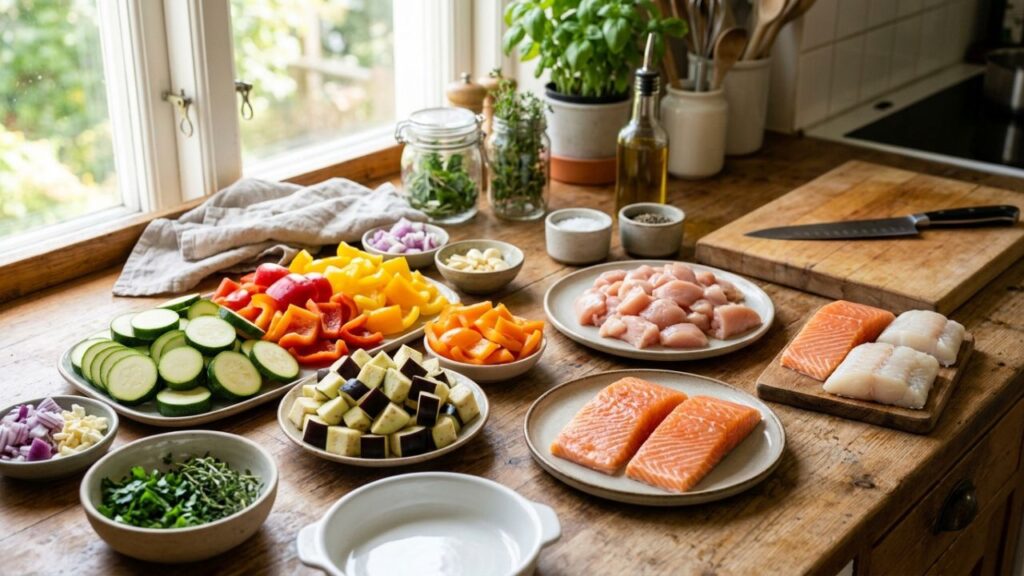
Good results with broiler baking start with choosing the right ingredients. Freshness plays a major role. Vegetables should feel firm and look vibrant, while proteins should have a clean appearance and even thickness for consistent cooking.
- Choose evenly cut pieces for consistent browning
- Avoid overly wet ingredients unless properly dried
- Use moderate fat content for better caramelization
If you need substitutions, there’s plenty of flexibility. Chicken can be swapped for fish or paneer, depending on preference. Vegetables like zucchini, eggplant, or bell peppers all respond well to broiling. Even leftover cooked ingredients can be refreshed under the broiler.
- Bone-in cuts often deliver more flavor at a lower cost
- Frozen vegetables can work if thawed and dried properly
- Pantry staples like oil, salt, garlic, and spices go a long way
Step-by-Step Cooking Method
Start by preheating your broiler fully. This step is often overlooked, but it’s essential for achieving proper browning.
- Place the oven rack 4–6 inches below the heat source
- Pat food dry to avoid steaming
- Lightly coat with oil and season evenly
- Arrange in a single layer on a sturdy tray
Slide the tray under the broiler and keep a close eye on it. Most foods cook quickly, often within minutes.
- A golden brown surface
- Slight charring on edges
- A rich, roasted aroma
If needed, flip or rotate halfway through. Adjust the rack if food is browning too fast or too slowly.
Serving Suggestions
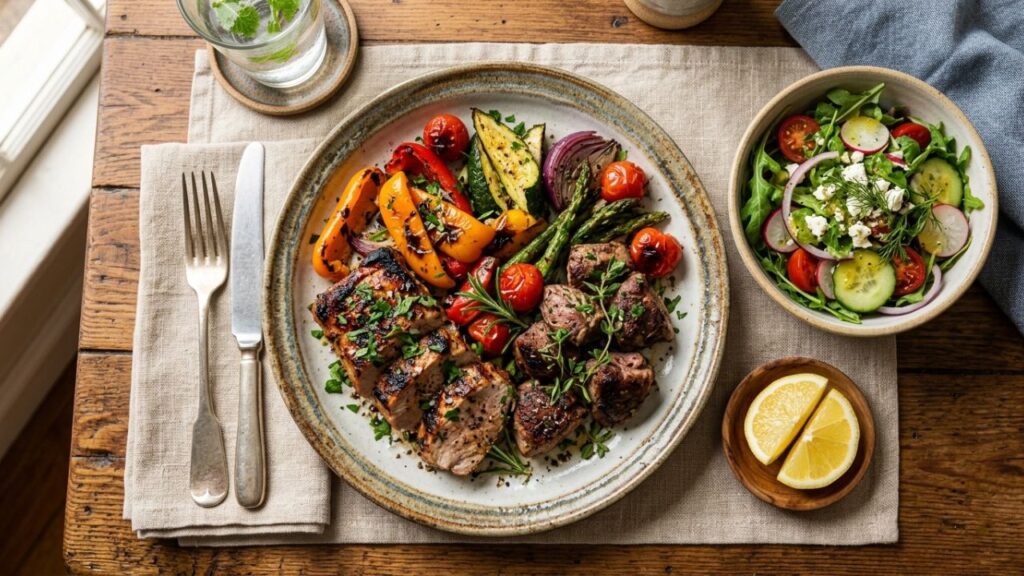
Broiled dishes pair well with lighter sides that balance their richness. A fresh salad, simple rice, or flatbread can complement the crisp textures without overpowering them.
- Add a squeeze of lemon for brightness
- Garnish with fresh herbs just before serving
- Pair with yogurt-based or light sauces
- Prepare dishes ahead and broil just before serving
- Serve directly from oven-safe cookware for a rustic look
For smaller households, broiled meals are easy to portion and don’t require large batches.
Seasonal or Occasion Variations
In spring and summer, broiling works well with lighter ingredients like tomatoes, peppers, and tender vegetables. A quick char enhances their natural sweetness without overcooking them. In cooler months, heartier ingredients take center stage. Root vegetables and thicker cuts of meat develop deeper, more comforting flavors under the broiler.
- Use it to finish baked dishes during holidays
- Prepare quick appetizers like toasted bread with toppings
- Refresh leftovers to restore texture and flavor
Storage & Reheating Tips
Once cooled, broiled food should be stored in airtight containers and refrigerated. It usually keeps well for a few days without losing too much quality.
- Refrigerate within two hours of cooking
- Store in shallow containers for even cooling
- Label leftovers for easy tracking
- Use the broiler briefly to restore crispness
- Avoid microwaving if texture matters
- Heat only what you need to maintain quality
Freezing is possible, though some foods may lose their crisp texture after thawing.
How to Control Heat and Timing While Broiling
One of the most important skills in broiler baking is learning how to manage heat and timing together. Because the broiler uses intense direct heat, even small changes in distance or time can significantly affect the final result. Keeping the rack slightly lower gives you more control and reduces the risk of burning, especially for thicker foods. On the other hand, placing food closer to the heat works well for quick browning at the end.
It also helps to think of broiling as a fast, attentive process rather than a set-and-forget method. Staying nearby and checking frequently allows you to respond quickly if something is cooking too fast. Over time, you begin to recognize visual cues—how quickly edges darken or how the aroma changes—which makes the process feel more natural and less uncertain.

Common Mistakes to Avoid
Even though broiling is simple, a few common mistakes can affect results.
- Leaving food unattended, leading to burning
- Placing food too close to the heat source
- Skipping the drying step before cooking
- Using thin or unsuitable pans
- Under-seasoning ingredients
Paying attention to these details makes a noticeable difference in the final dish.
Difference Between Broiling and Baking
| Aspect | Broiling | Baking |
| Heat Source | Top heating element | Surrounding heat |
| Temperature | Very high | Moderate to high |
| Cooking Time | Short | Longer |
| Texture Result | Crisp, browned surface | Evenly cooked, softer surface |
| Best For | Finishing, crisping, thin cuts | Cakes, casseroles, thick dishes |
FAQs
1. Can broiling cook food completely or only finish it?
It can fully cook thinner foods, but thicker items usually need to be partially cooked first.
2. How do I prevent burning?
Keep the rack at the correct distance and monitor the food closely during cooking.
3. Is broiling better than frying?
It can be a lighter option since it uses less oil while still creating a crisp texture.
4. What foods are ideal for broiling?
Thin cuts of meat, fish, vegetables, and dishes that benefit from a crisp top.
5. Can I line my tray with foil?
Yes, foil is safe for broiling and helps with cleanup, but avoid parchment paper.
Conclusion
Broiler baking is a simple technique that can make a noticeable difference in everyday cooking. It enhances flavor, improves texture, and brings a sense of completeness to a dish without requiring extra effort. With a bit of attention and practice, it becomes a natural part of your cooking routine. A few minutes under the broiler can turn something ordinary into something more satisfying and enjoyable.
About the Author
The author is a passionate home cook and food writer who enjoys sharing practical kitchen techniques. Their approach focuses on making flavorful meals accessible and easy to prepare. Through simple guidance, they aim to help others cook with more confidence and creativity.