Floura bars are one of those quietly dependable recipes that fit effortlessly into everyday life. They offer a satisfying balance between something wholesome and something indulgent, making them just as suitable for a quick breakfast as they are for an afternoon snack. Built from simple pantry ingredients, these bars don’t require complicated techniques or special equipment, which is part of their lasting appeal. What makes them especially valuable is their adaptability. You can adjust sweetness, texture, or mix-ins based on what you have on hand or what you’re craving that day. In my kitchen, floura bars often become a way to use up leftover nuts or grains, turning small quantities into something genuinely enjoyable.
What Are Flora Bars?
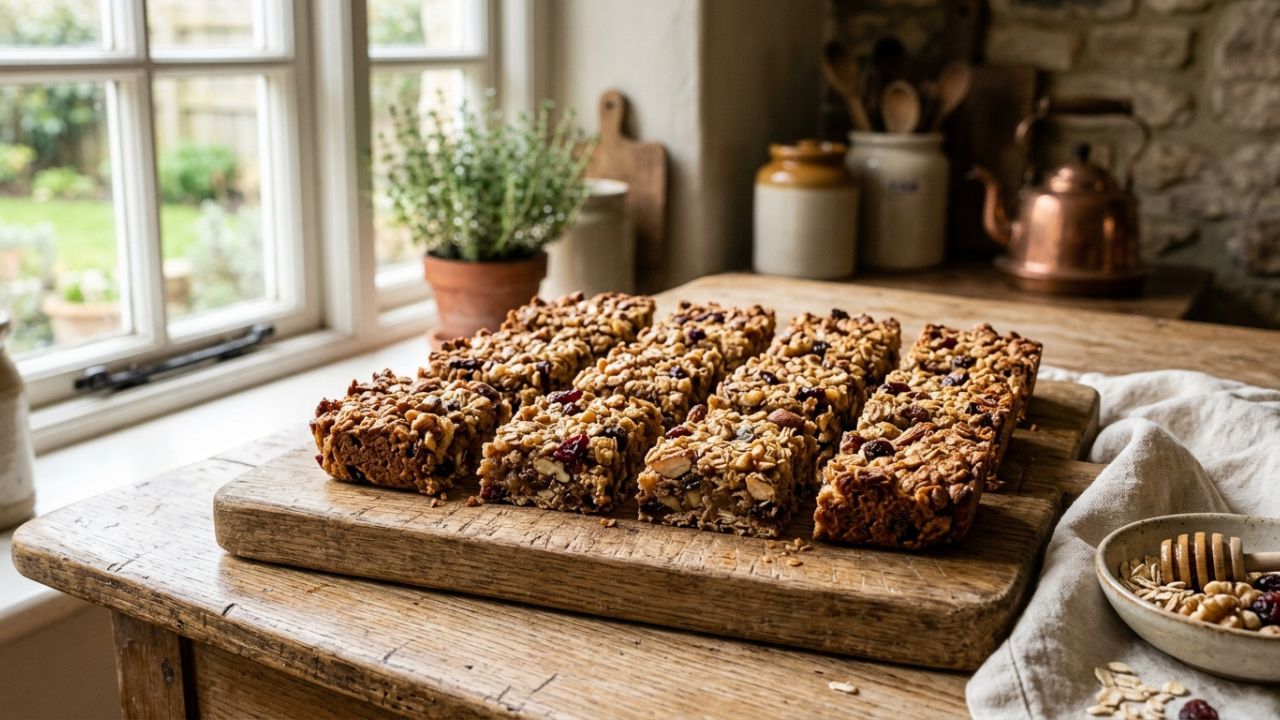
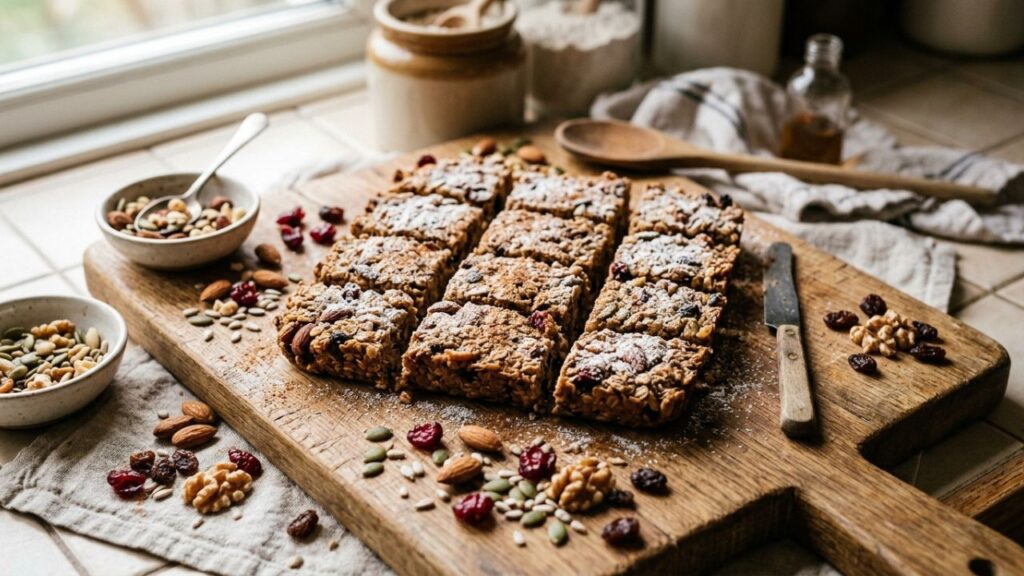
Floura bars are baked snack bars made from a mixture of grains, natural sweeteners, and fats, often combined with nuts, seeds, or dried fruits. They are designed to be easy to slice, store, and enjoy over several days.
Key Ingredients
At their core, floura bars rely on a few staple ingredients. Rolled oats or whole grain flour provide structure, while honey, maple syrup, or sugar adds sweetness and helps bind everything together. Butter or oil contributes richness, and eggs or plant-based alternatives help create a firm texture.
Background and Origin
Although not tied to a single cuisine, floura bars reflect a long tradition of home baking centered around practicality. Similar recipes can be found in oat bars and tray bakes across many cultures, where simple ingredients are transformed into something filling and portable.
Flavor Profile
The flavor is typically mild but comforting. There’s a gentle sweetness balanced by a nutty depth, often enhanced with spices like cinnamon or a pinch of salt. The edges may develop a light crispness, while the center stays soft and chewy.
Traditional Preparation
Traditionally, the ingredients are mixed in a bowl, pressed into a baking pan, and baked until golden. Once cooled, the mixture firms up and can be sliced into neat bars.
Why It Works So Well
Flavor Balance
Floura bars work because they balance sweetness with subtle savory notes. A small amount of salt enhances the overall flavor, preventing the bars from becoming overly sugary. When dried fruits or nuts are added, they introduce natural complexity.
Texture Contrast
A good floura bar offers more than just one texture. The center is soft and slightly chewy, while the edges develop a light crispness. Nuts or seeds can add a pleasant crunch, making each bite more interesting.
Nutritional Value
While not strictly a health food, floura bars can be a more balanced option compared to processed snacks. Whole grains provide fiber, and nuts contribute healthy fats, making them both filling and sustaining.
Cooking Technique
The simplicity of the method is part of its strength. Gentle mixing prevents toughness, while even baking ensures a consistent texture. Pressing the mixture firmly into the pan is key to achieving bars that hold together well.
Everyday Use
Floura bars fit easily into daily routines. They can be packed for work, served alongside tea, or enjoyed as a quick bite between meals without much planning.
Ingredients Guide
Good ingredients make a noticeable difference. Fresh oats should smell slightly sweet and clean, while nuts should be crisp rather than soft or oily. Using a fresh fat, whether butter or oil, helps maintain a pleasant flavor.
Substitutions
One of the strengths of floura bars is flexibility. You can replace eggs with mashed banana or a flaxseed mixture, swap butter for coconut oil, or adjust sweeteners based on availability.
Seasonal Adjustments
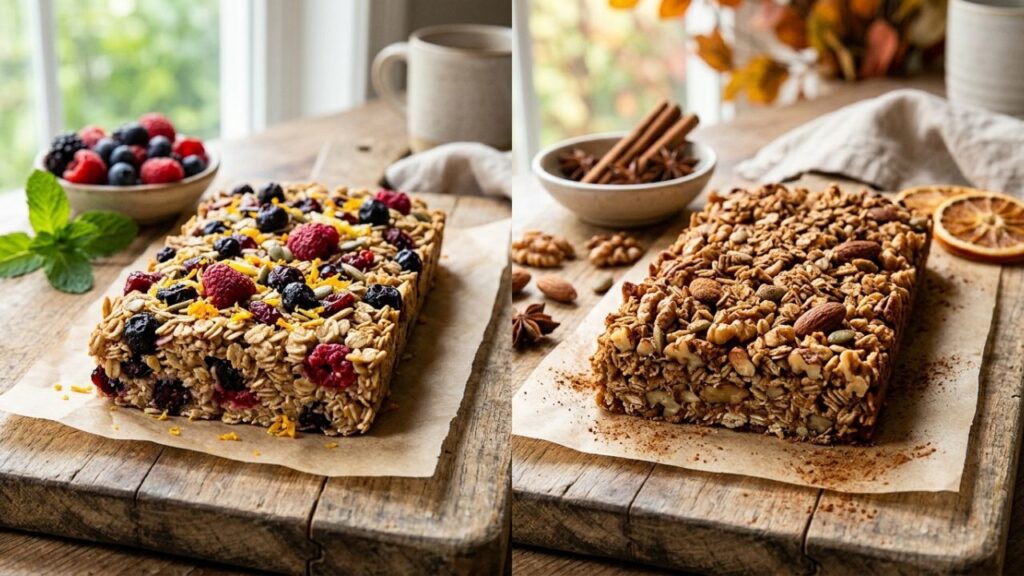
Seasonal ingredients can subtly shift the flavor. In warmer months, lighter additions like dried berries or citrus zest work well. In colder seasons, spices such as cinnamon or nutmeg create a warmer, deeper taste.
Budget Options
You don’t need expensive ingredients to make good floura bars. Seeds can replace nuts, and basic sweeteners like brown sugar can stand in for syrups without sacrificing too much flavor.
Pantry Staples
Simple additions like vanilla extract, salt, or cinnamon can elevate the overall taste. Even a small amount can bring balance and depth.
Step-by-Step Cooking Method
Preparing the Pan
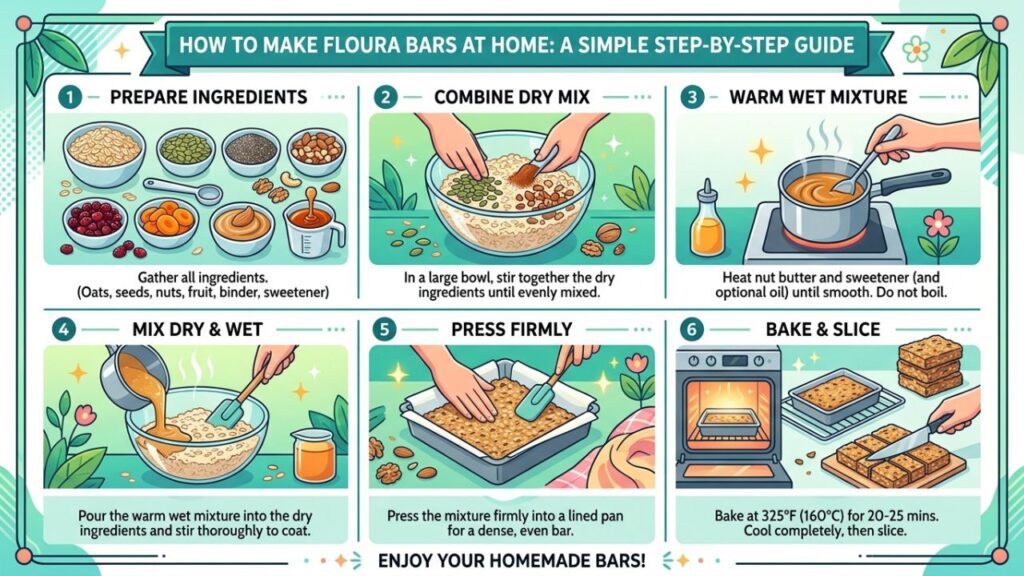
Line a baking tray with parchment paper. This makes it easier to remove the bars later without breaking them.
Mixing Dry Ingredients
Combine oats or flour with salt and any spices. Mixing these first ensures even distribution.
Mixing Wet Ingredients
In another bowl, combine melted butter or oil with your chosen sweetener. Add eggs or a substitute and stir until smooth.
Combining Everything
Pour the wet mixture into the dry ingredients and stir gently. The mixture should come together without becoming overly wet.
Adding Mix-ins
Fold in nuts, seeds, or dried fruits. Distribute them evenly so each bar has a consistent texture.
Baking Process
Spread the mixture into the prepared pan and press it firmly. Bake at a moderate temperature until the edges turn golden.
Checking Doneness
The bars should feel set in the center and give off a warm, nutty aroma. The edges will usually brown slightly first.
Cooling and Cutting
Allow the bars to cool completely before cutting. This step helps them hold their shape.
Troubleshooting
If the bars crumble, they may need more binding or firmer pressing. If they are too soft, they may need a little more baking time.
Optional Variations
You can add chocolate chips, swirl in nut butter, or sprinkle seeds on top before baking for extra texture.
Serving Suggestions
Pairings
Floura bars pair well with tea, coffee, or even a bowl of yogurt. They can also be served alongside fresh fruit for a more complete snack.
Presentation Ideas
Cut them into even squares or rectangles and arrange them neatly on a plate. A simple presentation often works best.
Serving for Guests
For gatherings, consider making a few variations with different mix-ins. This adds variety without extra effort.
Portion Control
Smaller pieces work well for light snacks, while larger bars can serve as a quick breakfast option.
Seasonal or Occasion Variations
Spring and Summer Versions
Use lighter flavors such as citrus zest or dried berries. These additions make the bars feel fresher and less heavy.
Fall and Winter Variations
In cooler months, richer ingredients like nuts and warming spices create a more comforting result.
Holiday Adaptations
For special occasions, you can add ingredients like dates or a light glaze to make the bars feel more festive.
Using Leftovers Creatively
Leftover bars can be crumbled over yogurt or warmed slightly and served with fruit for a simple dessert.
Storage & Reheating Tips
Storage at Room Temperature
Store the bars in an airtight container for a few days. Keep them in a cool, dry place.
Refrigeration
They can be refrigerated to extend freshness, especially in warmer climates.
Freezing
Wrap individual bars and freeze them for longer storage. Thaw at room temperature before eating.
Reheating Methods
A short time in the oven can bring back a fresh-baked texture. Avoid overheating to prevent dryness.
Shelf Life
Typically, floura bars keep well for up to a week when stored properly.
Common Mistakes to Avoid
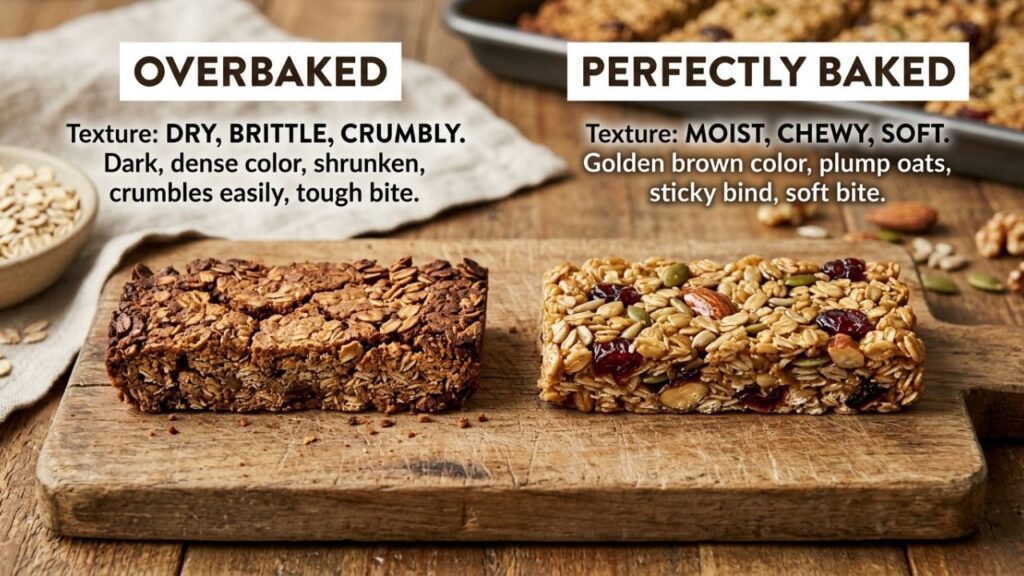
Overbaking
Leaving the bars in the oven too long can make them dry and hard.
Underbaking
Removing them too early can result in a soft, unstable texture.
Incorrect Sweetness
Too much sugar overwhelms the flavor, while too little can make the bars bland.
Not Pressing Properly
If the mixture isn’t pressed firmly, the bars may fall apart.
Cutting Too Early
Slicing before cooling often leads to crumbling.
FAQs
1. Can I make floura bars without eggs?
Yes, you can use mashed banana or a flaxseed mixture as an alternative.
2. Why are my bars crumbly?
This usually happens if the mixture wasn’t pressed firmly or didn’t cool completely.
3. Can I reduce the sugar?
You can reduce it slightly, but keep enough to maintain structure.
4. Are they healthy?
They can be a balanced snack depending on the ingredients used.
5. Can I make them gluten-free?
Yes, by using certified gluten-free oats or alternative flours.
6. How do I make them chewier?
Use more moisture-rich ingredients and avoid overbaking.
Conclusion
Flour bars show how simple ingredients can come together to create something both practical and enjoyable. With a little attention to balance and technique, they can be adapted to suit different tastes and occasions without losing their core appeal. Whether you’re baking for convenience or comfort, they remain a reliable addition to any home kitchen.
About the Author
A dedicated food writer and home cook, the author focuses on creating approachable recipes that highlight everyday ingredients. Their cooking style emphasizes balance, simplicity, and flexibility, helping readers feel more confident in the kitchen.aromas.