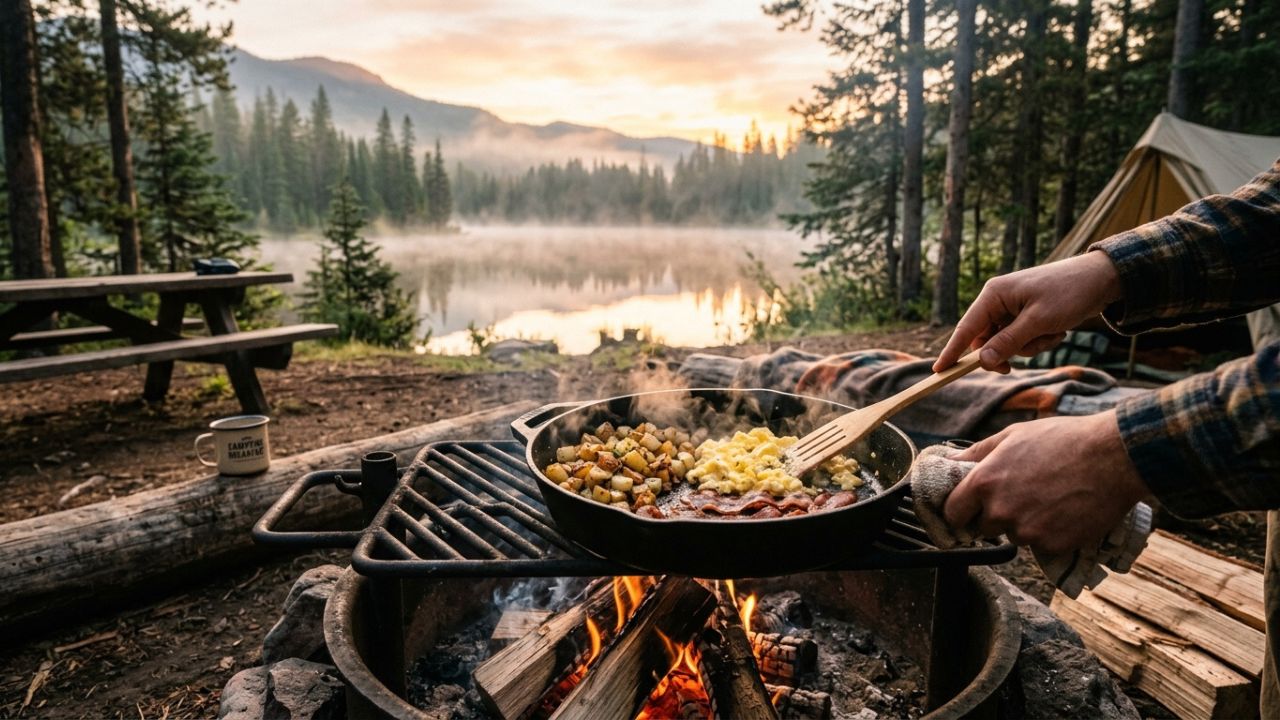
When you wake up in the middle of nature, surrounded by fresh air and the sound of birds, the first thing that comes to mind is a warm, satisfying meal. Campground breakfast .A well-planned campground breakfast can quietly shape the rhythm of your entire day outdoors. Whether you’re waking up beside a lake or tucked into a quiet forest, the first meal should feel both grounding and energizing. Campground breakfasts are built around simplicity—meals that rely on a few dependable ingredients and minimal equipment. These dishes matter because they strike a balance between comfort and practicality. You want something warm and satisfying, yet easy enough to prepare without the structure of a full kitchen. The beauty of these recipes lies in their adaptability; they can be adjusted based on what you have on hand and how much effort you want to invest. Campers, hikers, and weekend travelers all benefit from having a few reliable breakfast ideas ready. In my own outdoor cooking, I’ve noticed that the most enjoyable mornings start with meals that come together quietly, without rushing or overthinking.
What Is a Campground Breakfast?
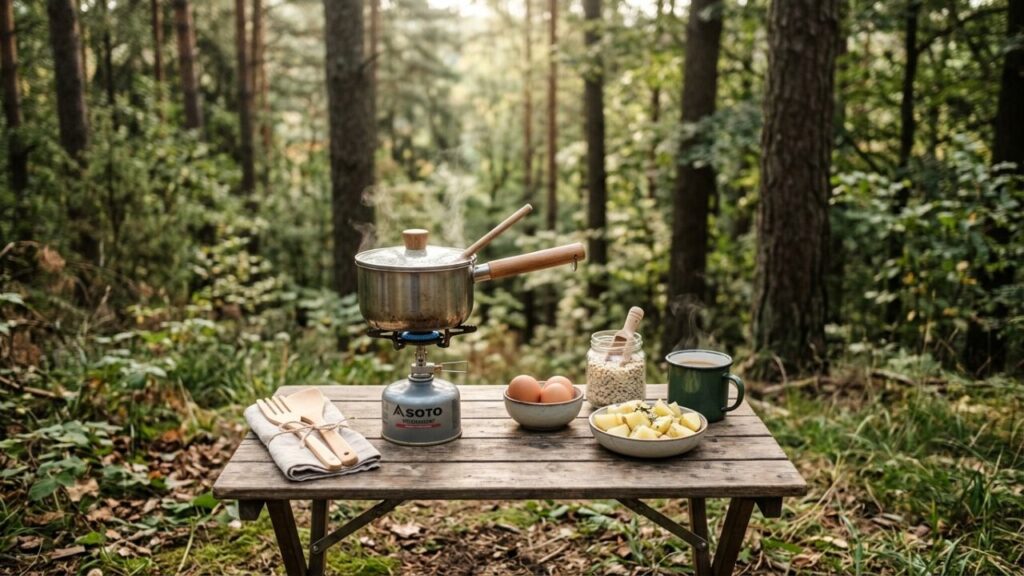
A campground breakfast refers to simple, hearty meals prepared outdoors using basic cooking tools such as a campfire, portable stove, or grill. These meals are designed to be filling, easy to cook, and practical in environments where resources are limited.The ingredients are usually familiar—eggs, potatoes, bread, oats, and seasonal vegetables. What changes is the method. Cooking outdoors often means relying on one pan, a pot, or foil packets placed over coals. There’s also a long tradition behind this style of cooking. Outdoor breakfasts have always been shaped by necessity, encouraging cooks to create meals that are efficient without sacrificing flavor. The resulting dishes tend to be savory, slightly smoky, and deeply satisfying in a way that feels tied to the setting itself.
Why It Works So Well
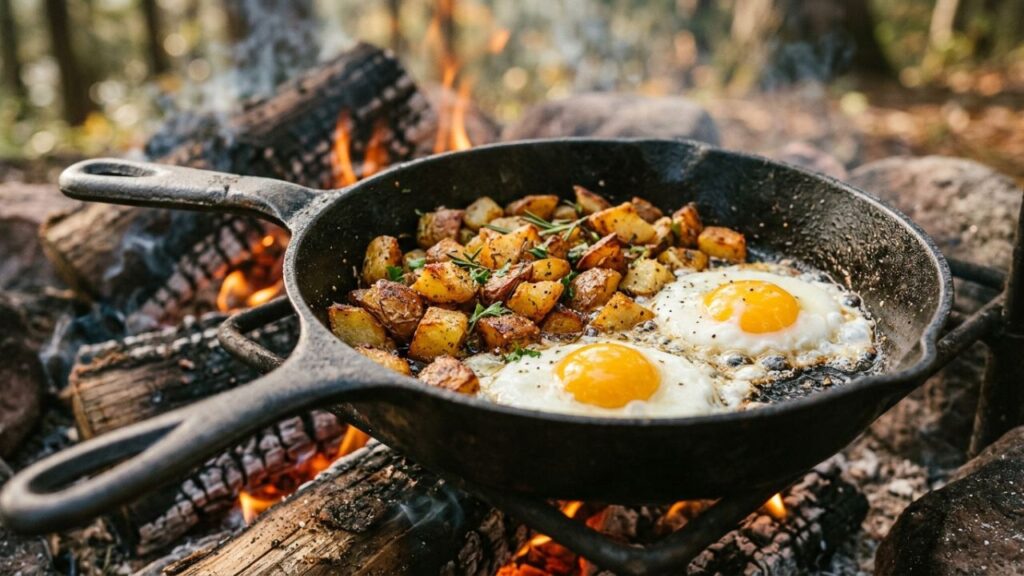
Campground breakfasts work because they naturally balance flavor and texture while remaining easy to prepare. A skillet meal, for example, brings together crispy potatoes, soft eggs, and a bit of richness from oil or butter. That contrast makes even simple ingredients feel complete.
- A balance of savory richness and mild freshness
- Soft and crisp textures in the same dish
- Simple cooking methods that don’t require precision
There’s also a practical nutritional aspect. These meals provide steady energy through a mix of protein, carbohydrates, and fats—exactly what’s needed for a day spent outdoors. Cooking methods are straightforward, often relying on gentle heat and patience rather than strict timing.
Ingredients Guide – What to Look For
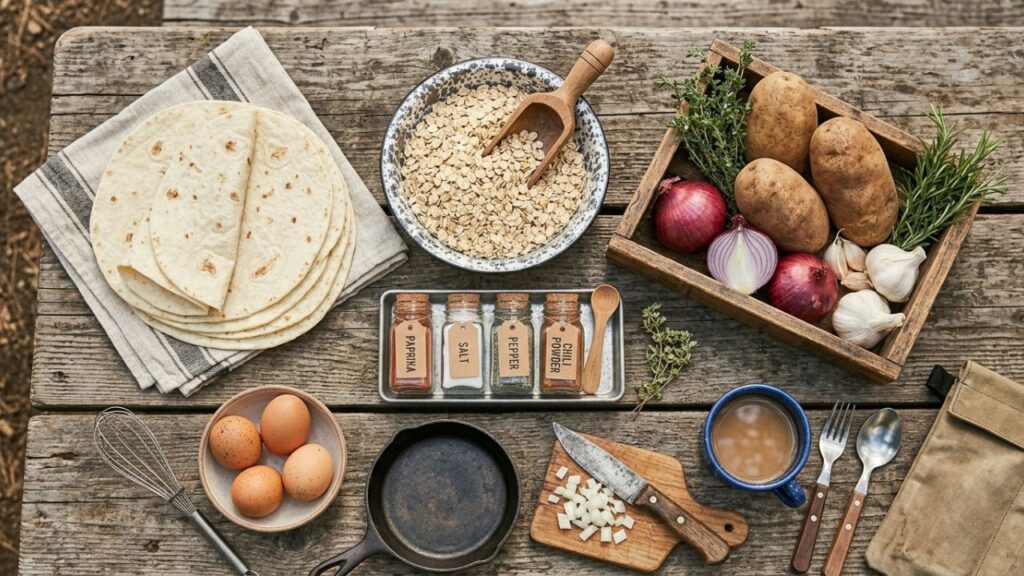
Choosing the right ingredients makes a noticeable difference, especially when cooking in a simple outdoor setup. Fresh eggs with firm yolks hold their shape better in a skillet, while potatoes with smooth skin cook more evenly and develop a better texture. Vegetables should feel crisp and look vibrant, as they’ll bring both flavor and freshness to the meal.
- Potatoes and onions, which store well without refrigeration
- Oats, which are lightweight and quick to prepare
- Tortillas, which last longer than sliced bread
Substitutions are often necessary when camping, and fortunately, these recipes are forgiving. Beans or mushrooms can stand in for meat, while powdered milk works well in oatmeal if fresh milk isn’t practical. Seasonality also plays a role. In warmer months, lighter ingredients like tomatoes and herbs feel more appropriate, while cooler weather calls for heartier additions such as root vegetables. A small selection of pantry staples—salt, oil, and a few spices—goes a long way in building flavor without adding bulk.
Step-by-Step Cooking Method
Campfire Breakfast Skillet
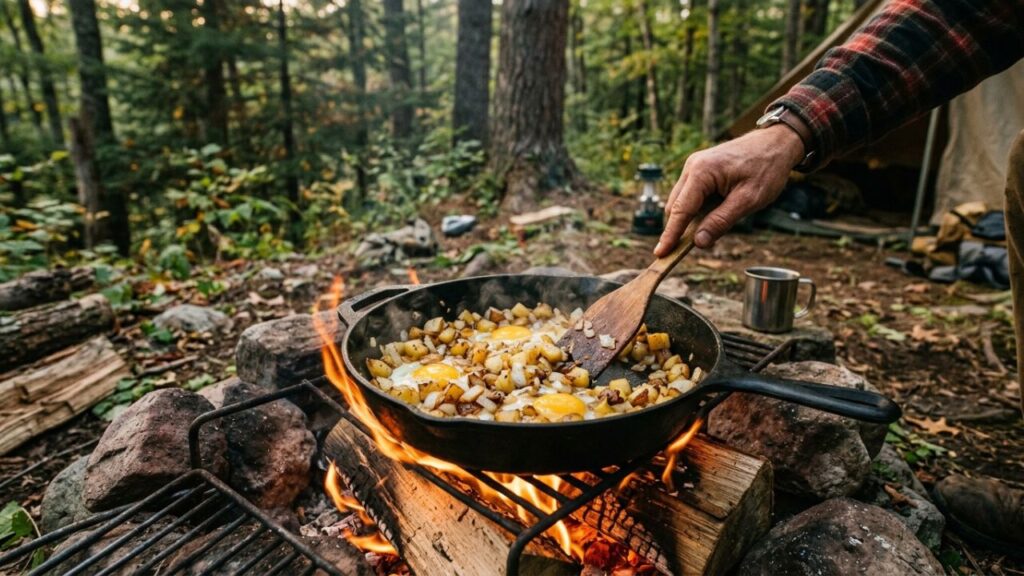
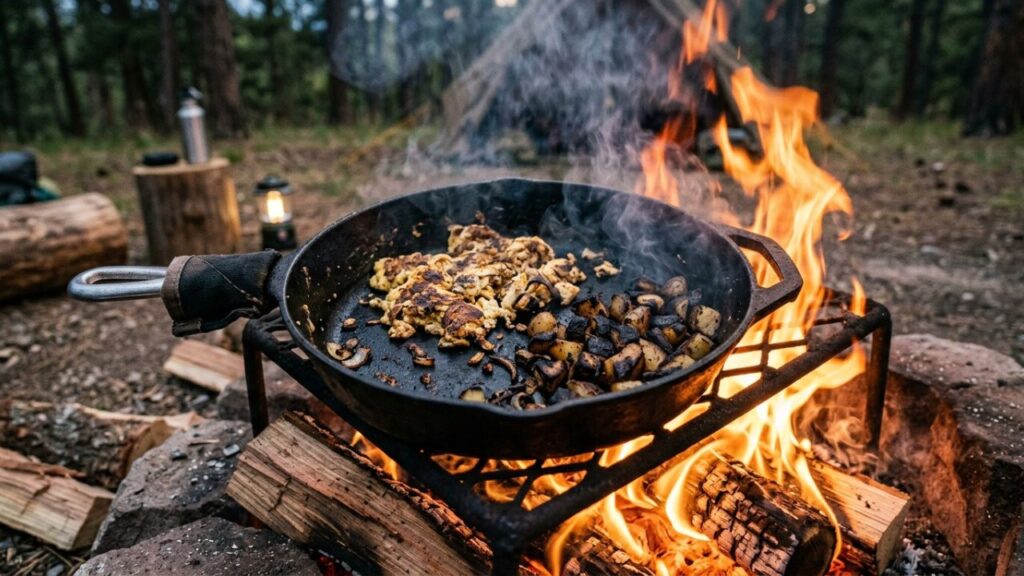
Cooking this dish takes about 20 to 25 minutes and requires only a single pan. Start by heating a cast-iron skillet over moderate heat. Add a little oil, followed by diced potatoes. Let them cook undisturbed for a few minutes so they develop a golden crust, then stir occasionally until they are evenly browned. Once the potatoes begin to soften, add chopped onions and cook until they turn translucent. At this stage, you can include pre-cooked sausage or a plant-based alternative. Finally, crack a few eggs directly into the skillet and cover it loosely. The eggs should cook gently, with the whites setting while the yolks remain slightly soft.You’ll know it’s ready when the potatoes are crisp at the edges and the eggs look just set. If the heat feels too strong, moving the skillet slightly away from direct flame helps maintain control.
Foil Packet Breakfast Hash
This method is especially useful when you want minimal cleanup. Combine chopped potatoes, onions, and your choice of protein in a foil packet. Season lightly and add a small amount of oil before sealing it tightly. Place the packet over hot coals and let it cook for about 25 minutes, turning occasionally. The trapped steam helps soften the ingredients while the heat adds a subtle roasted flavor. Toward the end, you can carefully open the packet and add an egg, resealing it briefly until the egg is cooked through. The key here is even cutting. Smaller, uniform pieces ensure everything cooks at the same rate.
Simple Campfire Oatmeal
For a quicker option, oatmeal is hard to overlook. Bring water or milk to a gentle boil, stir in oats, and reduce the heat. Within minutes, the mixture thickens into a creamy consistency.
- A drizzle of honey or maple syrup
- A handful of dried fruit or nuts
- A spoonful of peanut butter for richness
The oats should be soft but still retain a bit of texture, rather than becoming overly mushy.
Campground Breakfast Types – Key Differences
| Breakfast Type | Cooking Method | Prep Time | Best For | Pros | Considerations |
| Skillet Breakfast | Cast-iron over fire | 20–25 min | Families, group camping | Hearty, flexible, cooked in one pan | Needs attention while cooking |
| Foil Packet Meals | Direct coals/fire | 25–30 min | Low-effort mornings | Very little cleanup | Less control over texture |
| Oatmeal & Porridge | Pot or stove | 10–15 min | Quick, simple meals | Fast and easy to customize | Softer texture overall |
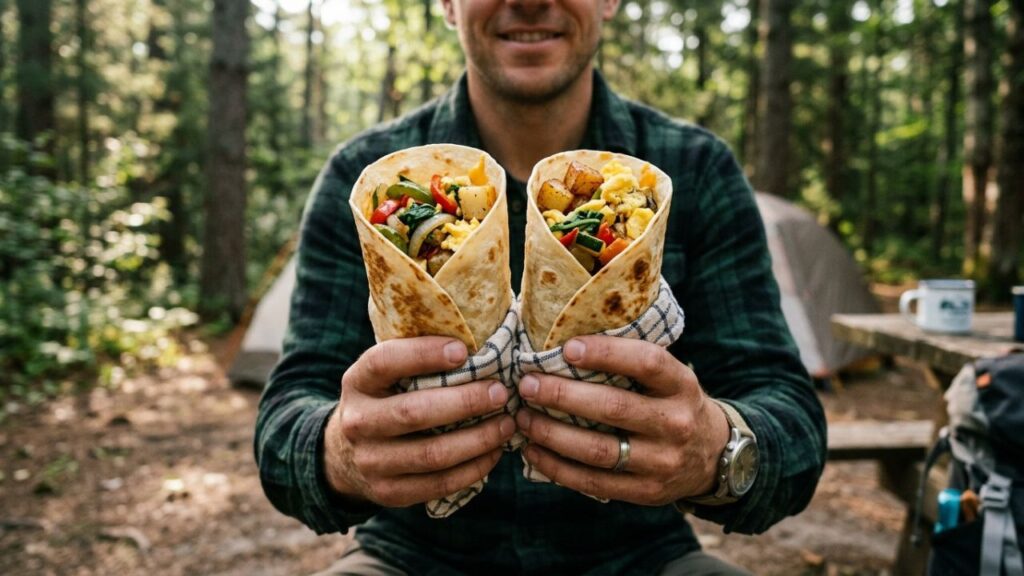
| Breakfast Wraps | Skillet or pre-made | 10–20 min | Eating on the move | Convenient and portable | Requires some preparation |
| No-Cook Options | None | 5–10 min | Early starts | No cooking needed | Less warmth and variety |
Serving Suggestions
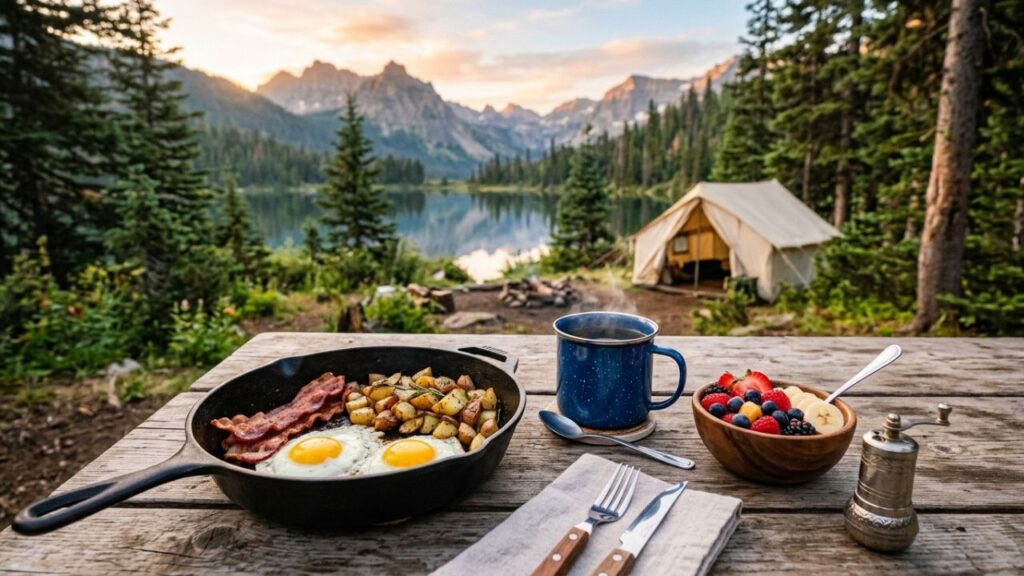
Campground breakfasts are best served simply, allowing the ingredients to speak for themselves. Fresh fruit on the side adds a refreshing contrast, while a hot drink completes the meal.
- Keep toppings like herbs or cheese separate
- Serve directly from the skillet for a shared experience
- Prepare slightly larger portions for active mornings
For smaller groups, scaling down recipes helps avoid unnecessary leftovers while keeping the process manageable.
Seasonal or Occasion Variations
Seasonal adjustments can subtly change the character of a campground breakfast. In warmer weather, lighter additions like herbs and fresh vegetables keep things bright. As temperatures drop, heartier ingredients such as root vegetables or warming spices bring a sense of comfort.
These recipes also adapt well to different occasions. For a slower morning, you might take extra time to build layers of flavor, while quick variations suit early starts. Leftovers can be repurposed easily—turning a hash into a wrap, for example, keeps meals interesting without extra effort.
Storage & Reheating Tips
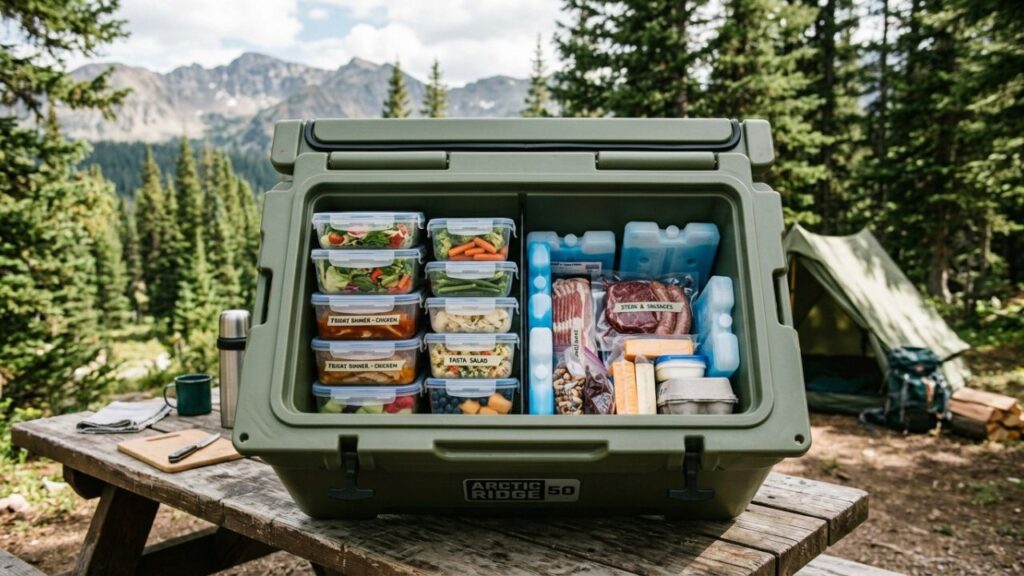
Proper storage is essential when cooking outdoors. Leftovers should be placed in sealed containers and kept in a well-chilled cooler. Most cooked dishes will stay fresh for up to two days if stored correctly. Reheating is best done gently in a skillet, with a small splash of water to maintain moisture. A few simple habits improve food safety:
- Keep raw and cooked items separate
- Avoid leaving food exposed to heat for too long
- Store perishables as soon as possible
Dry ingredients like oats are more forgiving and can last several days as long as they remain sealed and dry.
Common Mistakes to Avoid
One of the most common issues is overcooking, particularly with eggs, which can quickly turn firm and rubbery. Potatoes, on the other hand, need enough time to soften fully; rushing this step often leads to an uneven texture. Heat management is another challenge. Campfires can fluctuate, so adjusting the distance between the pan and the flame helps maintain steady cooking. Taking a moment to prepare ingredients evenly also prevents inconsistent results.
FAQs
1. Can I make campground breakfasts without a campfire?
Yes, most recipes can be prepared using a portable stove, which offers more consistent heat control.
2. What’s the best way to simplify morning cooking while camping?
Preparing ingredients in advance makes a noticeable difference and allows you to cook with less effort.
3. How do I keep my cooking equipment easy to clean?
Using foil packets or well-seasoned cookware helps reduce sticking and simplifies cleanup.
4. Are these breakfasts suitable for longer trips?
Yes, especially if you rely on a mix of fresh and shelf-stable ingredients.
5. What’s a reliable option for very quick mornings?
Oatmeal is often the easiest choice, as it cooks quickly and requires minimal attention.
Conclusion
Campground breakfasts highlight how simple cooking can still be deeply satisfying. With a few thoughtful ingredients and a relaxed approach, these meals provide both nourishment and a sense of ease that fits naturally into outdoor life. The focus isn’t on complexity, but on balance—bringing together flavor, texture, and practicality in a way that feels effortless. A warm breakfast prepared outdoors often becomes one of the most memorable parts of the experience, not because it’s elaborate, but because it’s shared and unhurried.