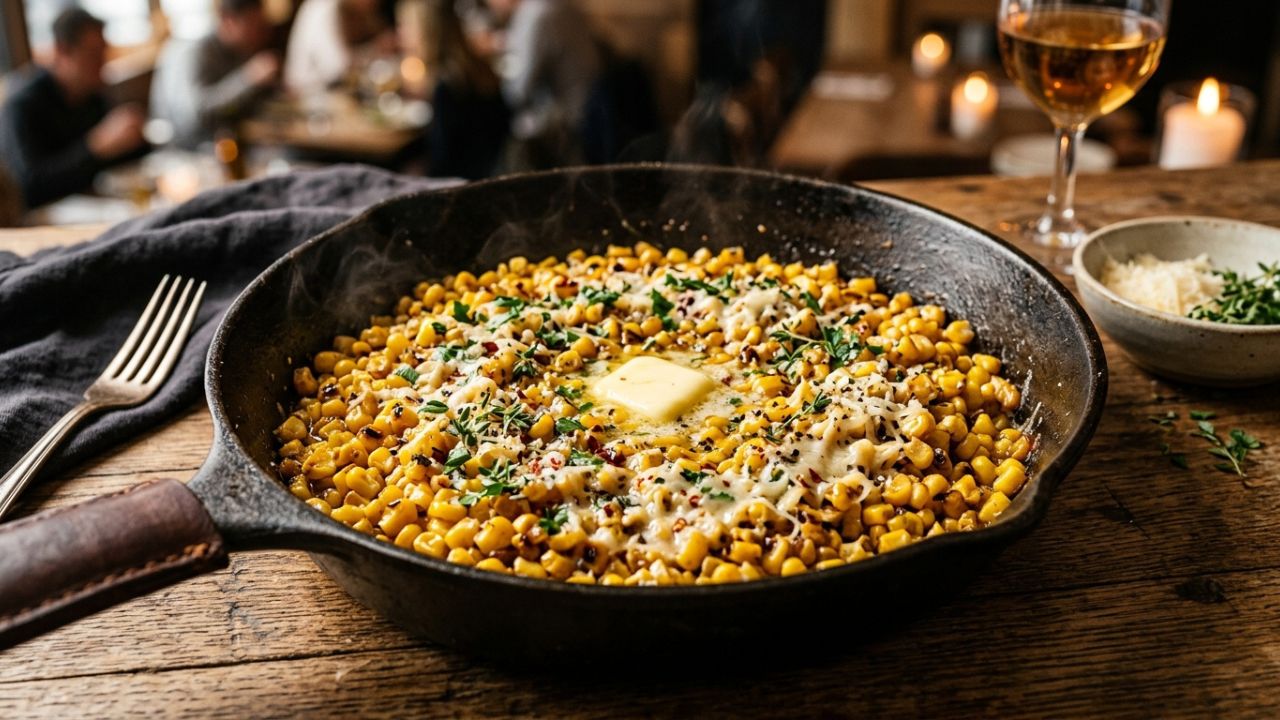
Turning simple sauteed corn into a restaurant-quality dish is all about combining the right ingredients with careful cooking. Start with fresh or high-quality frozen corn for natural sweetness and texture. Butter or a good-quality oil adds richness and helps achieve a slightly crispy exterior when sautéed. Season generously with salt and freshly cracked black pepper, and consider adding a pinch of smoked paprika or chili flakes for subtle warmth and depth. Fresh herbs like parsley, cilantro, or chives brighten the flavor, while a squeeze of lime or a dash of lemon juice adds a re freshing tang. For extra indulgence, sprinkle some grated Parmesan or crumbled feta on top just before serving. These small but thoughtful ingredient choices transform sautéed corn from ordinary to extraordinary, making it sweet, savory, and packed with layers of flavor—just like your favorite restaurant side dish.
What Is Sauteed Corn?
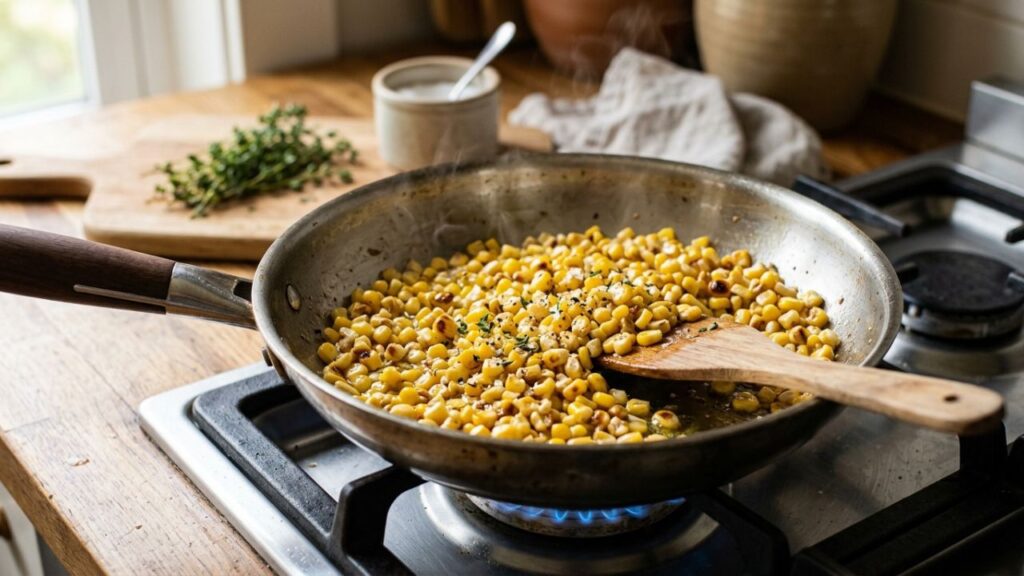
Sautéed corn is a simple yet flavorful way of cooking corn kernels. In this method, the kernels are cooked quickly in a hot pan with a small amount of fat, such as butter or oil. The word “sauté” means to cook food rapidly over relatively high heat while stirring or tossing, which helps preserve the natural flavor and texture of the ingredients. Unlike boiling, where some of the corn’s natural sweetness can be lost in the water, sautéing allows the kernels to cook directly in the heat. This enhances their natural sugars, making the corn taste sweeter and slightly richer.
The high heat also creates sauteed corn light caramelization, giving the kernels a subtle golden color and a deeper, more complex flavor. You can use either fresh or frozen corn for this dish, and both work well. The seasoning is usually kept simple—just salt and pepper—but additional ingredients like garlic, chili, or fresh herbs (such as parsley or cilantro) can be added to elevate the taste. In terms of texture, sautéed corn is tender but still slightly crisp, not soft or mushy. Its flavor is mildly sweet with a hint of nuttiness, often complemented by the richness of butter or oil.
Why It Works So Well
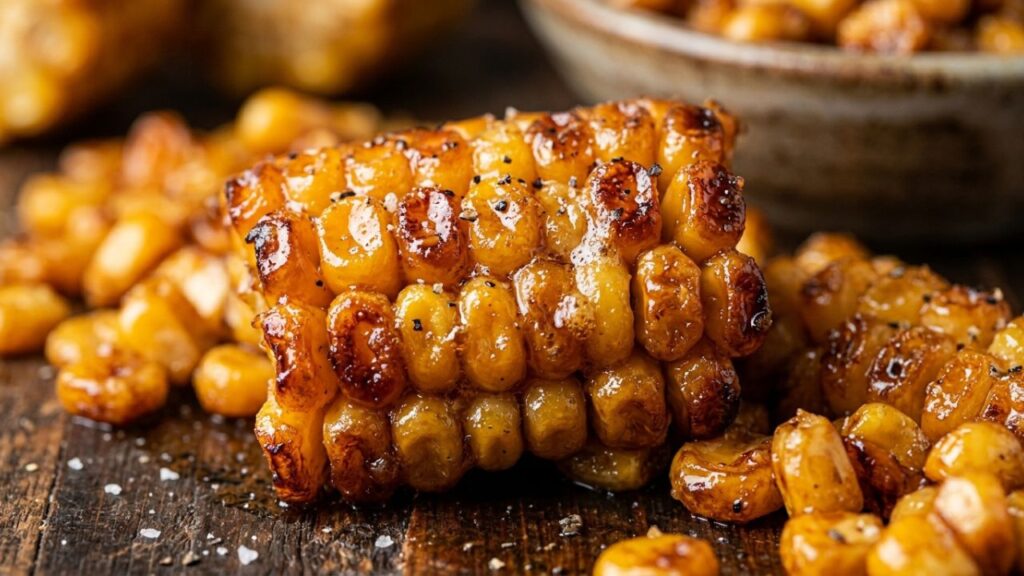
Sautéed corn balances sweetness and savory richness beautifully. Butter or oil enhances the natural sugars, while a pinch of salt or a squeeze of lime elevates the flavors. Aromatics like garlic or onions can add subtle depth without overpowering the corn. Texture is just as important. Properly cooked corn has a tender bite with a slight crispness that contrasts well with soft grains, creamy sauces, or roasted proteins. Nutritionally, corn is a source of fiber, B vitamins, and antioxidants, making sauteed corn a more wholesome choice than many processed sides.
Ingredients Guide
For best results, use fresh corn with firm, plump kernels or vibrant frozen corn free of frost. Butter can be swapped for olive or avocado oil, and fresh corn can be replaced with thawed frozen corn when out of season. Herbs such as thyme, parsley, or chives can be added depending on what’s available.
Why Sauteed Corn Stands Out
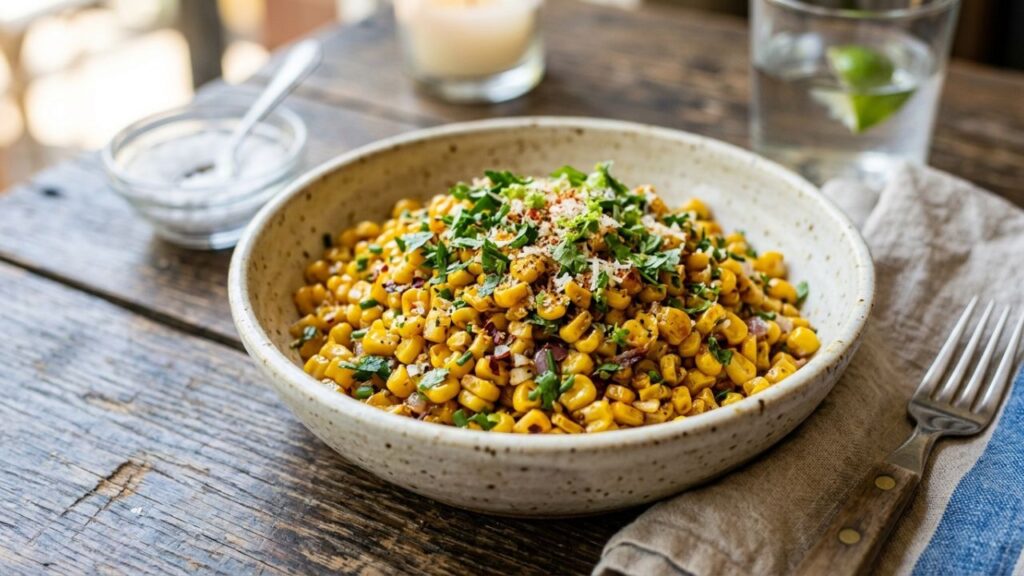
Sautéed corn is a simple yet flavorful dish made using a quick cooking method. In this process, corn is cooked in a pan over medium-high heat with a small amount of butter or oil, which helps enhance its natural sweetness. Unlike boiling, sautéing allows the kernels to become slightly crisp and develop a light caramelized flavor. Adding ingredients like garlic, onions, or fresh herbs further improves the taste by bringing in extra aroma and depth. Properly sautéed corn is soft on the inside and lightly crispy on the outside, making it a perfect choice as a side dish, in salads, or mixed into grain bowls.
Step-by-Step Cooking Method
Ingredients
- 2 cups fresh or frozen corn kernels
- 2 tablespoons butter or oil
- 1 small garlic clove, minced (optional)
- Salt and pepper to taste
- Fresh herbs for garnish (optional)
Instructions
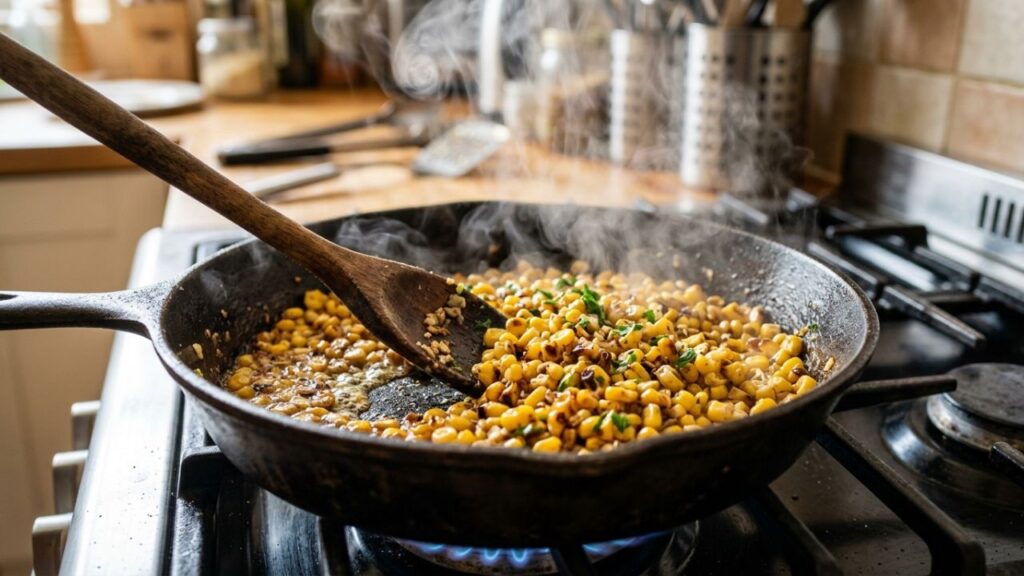
- Heat a medium skillet over medium heat and melt the butter or warm the oil.
- Add aromatics like garlic or onion and sauté for 30 to 60 seconds until fragrant.
- Add the corn kernels and stir occasionally for 5 to 7 minutes until they turn golden in spots and release a sweet aroma. Frozen corn may take a minute or two longer.
- Season with salt, pepper, or other spices and adjust the taste.
- Remove from heat and stir in fresh herbs or a splash of lime juice if desired.
This method is simple yet produces corn with a rich, toasty flavor and satisfying texture.
Serving Suggestions
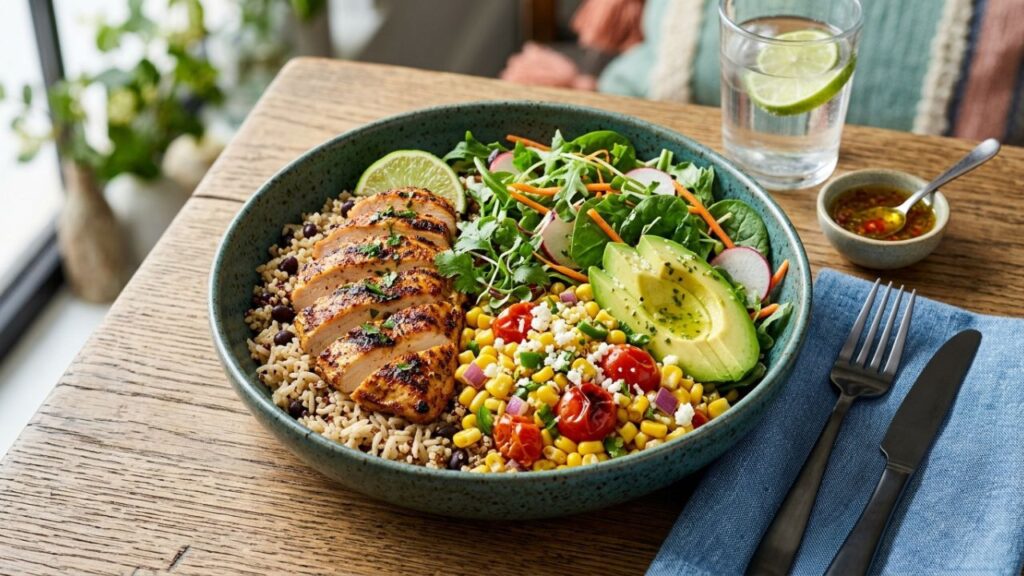
Sautéed corn pairs beautifully with grilled or roasted meats, tossed into grain bowls, or mixed into leafy green salads. For gatherings, it can be kept warm in a shallow dish or added to vegetable platters. Half a cup per person is ideal for small meals, while larger portions may be suitable for bigger gatherings. Seasonal variations include adding fresh herbs and lemon in spring and summer, or roasted squash, caramelized onions, or smoked paprika in fall and winter. For holidays, sautéed corn can be combined with mushrooms, chestnuts, or cooked bacon for festive flair.
Serving ideas
- Pairs well with grilled or roasted meats
- Can be added to grain bowls
- Works great in leafy green salads
For gatherings
- Can be kept warm in a shallow serving dish
- Can be included in vegetable platters
Portion size
- About ½ cup per person for small meals
- Larger portions can be served for big gatherings
Seasonal variations
- Spring and summer include fresh herbs and lemon for a light fresh taste
- Fall and winter include roasted squash caramelized onions or smoked paprika for a richer flavor
Holiday ideas
- Combine with mushrooms chestnuts or cooked bacon for a festive touch
Using leftovers
- Add into scrambled eggs or omelets
- Mix into grain salads for a quick and easy lunch
Tips for Perfect Corn
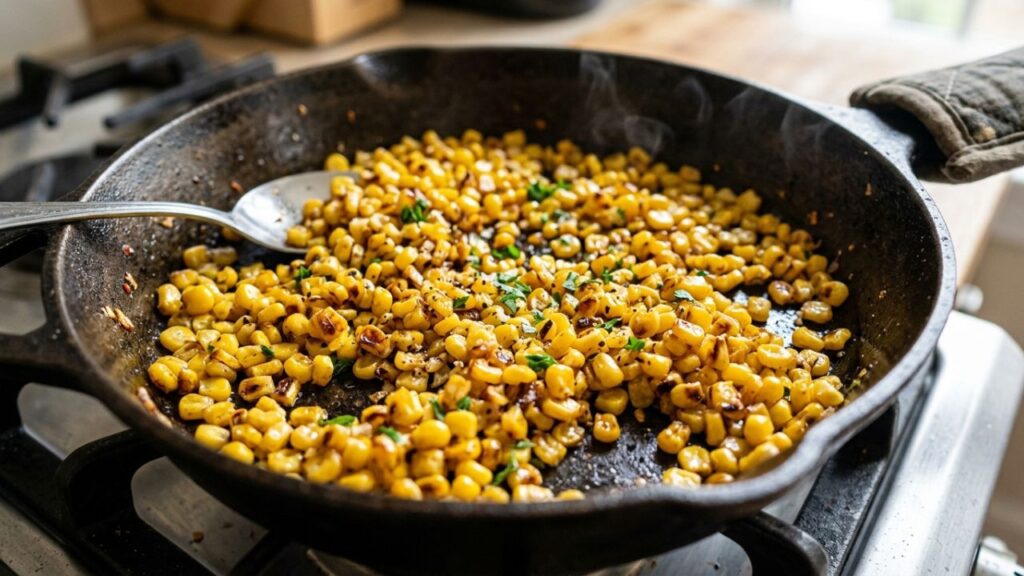
Sautéed corn pairs beautifully with roasted meats, grain bowls, or leafy salads. Avoid overcooking to prevent mushiness, and don’t overcrowd the pan to allow even caramelization. Store leftovers in the fridge for 3–4 days, or freeze for up to two months. Reheat gently in a skillet to maintain texture. With careful seasoning, proper heat, and thoughtful finishing touches, sautéed corn can transform a simple meal into a restaurant-quality favorite.
Choosing Between Sautéed and Boiled Corn
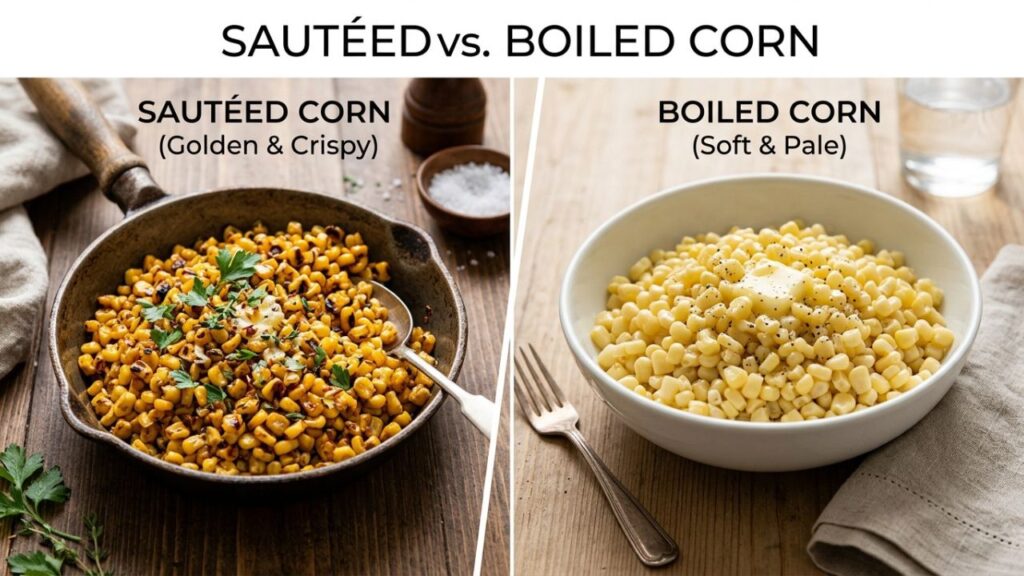
While both methods have their uses, sautéed corn stands out for flavor and texture. Boiled corn is soft, mild, and uniform, and it is usually seasoned after cooking. Sautéed corn develops a slightly crisp exterior, richer caramelized flavors, and allows seasoning to blend while cooking. Cooking times differ slightly. Sautéed corn takes 7 to 10 minutes, while boiled kernels are usually ready in 5 to 7 minutes. Sautéing gives more control over flavor and texture, making it ideal for side dishes, salads, or grain bowls.
Sauteed Corn vs. Boiled Corn
| Feature | Sauteed Corn | Boiled Corn |
| Flavor | Sweet, nutty, lightly caramelized | Mild, natural corn flavor |
| Texture | Slightly crisp outside, tender inside | Soft and uniform, can become mushy |
| Cooking Time | 7–10 minutes | 5–7 minutes for kernels, longer for cob |
| Seasoning | Can add herbs and spices while cooking | Usually seasoned after boiling |
| Best Use | Side dishes, salads, grain bowls | Simple sides, corn-on-the-cob |
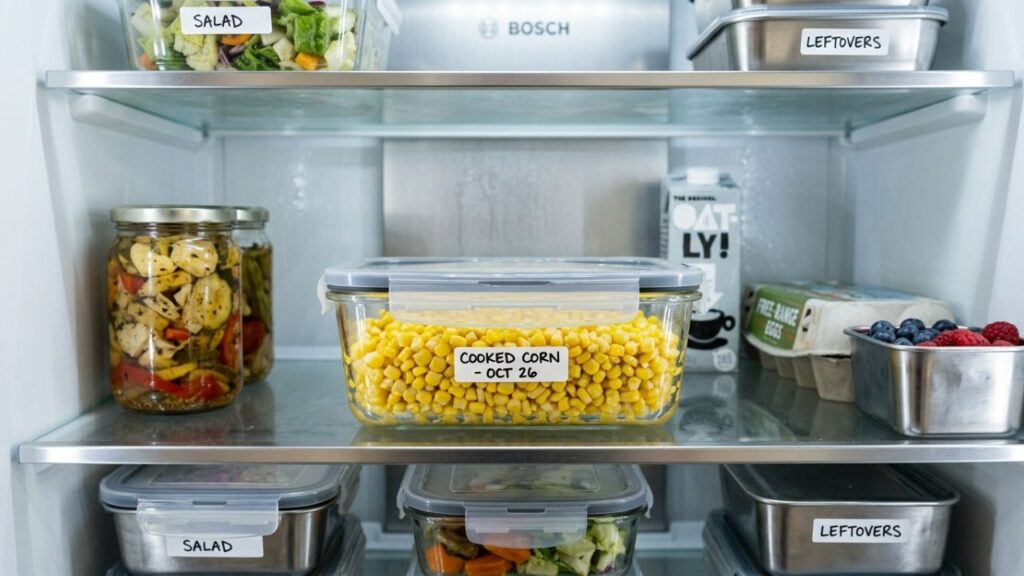
Storage & Reheating Tips
Sautéed corn can be stored in an airtight container in the fridge for 3–4 days. For longer storage, freeze in a freezer-safe container for up to two months, though texture may soften slightly. To reheat, warm gently in a skillet with a small splash of water or butter, avoiding microwaves to preserve texture. Always discard corn left out at room temperature for more than two hours.
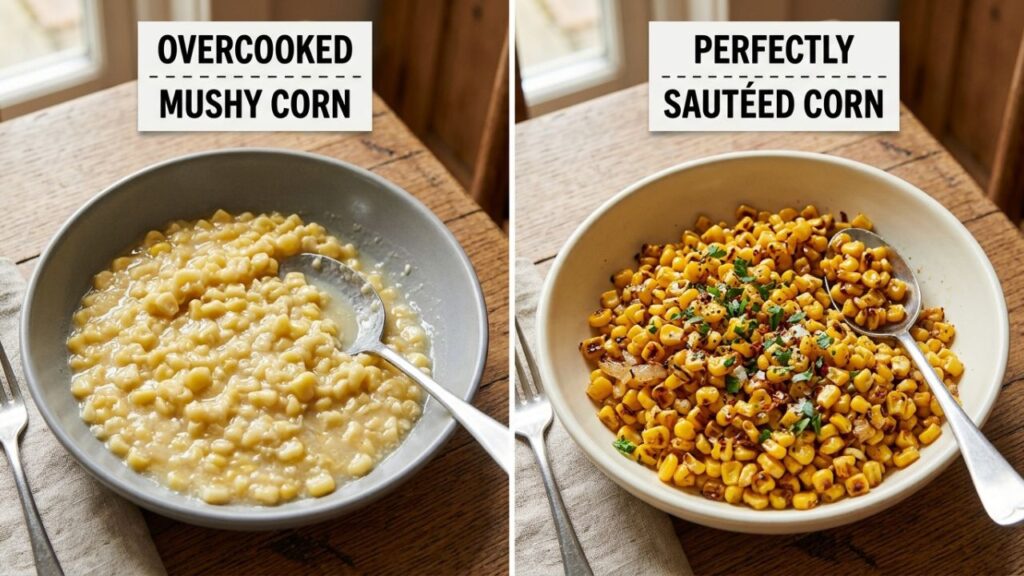
Common Mistakes to Avoid
Overcooking can make the corn mushy, while undercooking leaves it starchy. Season gradually, taste as you go, and remove silk thoroughly from fresh corn. Avoid overcrowding the pan to ensure even caramelization, and allow the corn to rest briefly after cooking so flavors settle.
FAQs
1. Can I use frozen corn for sautéing?
Yes, thawed frozen corn works well. Pat dry to prevent excess moisture.
2. Should I use butter or oil?
Butter adds richness and depth; oil allows higher heat for caramelization. You can also mix both for balance.
3. Can I make sautéed corn vegan?
Absolutely! Use olive oil, avocado oil, or another plant-based fat instead of butter.
4. How do I prevent corn from sticking?
Cook in a single layer without overcrowding the pan, stir occasionally, and adjust heat as needed. A splash of oil helps.
5. Can I add spices or cheese?
Yes, smoked paprika, chili flakes, cumin, or fresh herbs enhance flavor. Grated Parmesan, feta, or cheddar can also be added for richness.
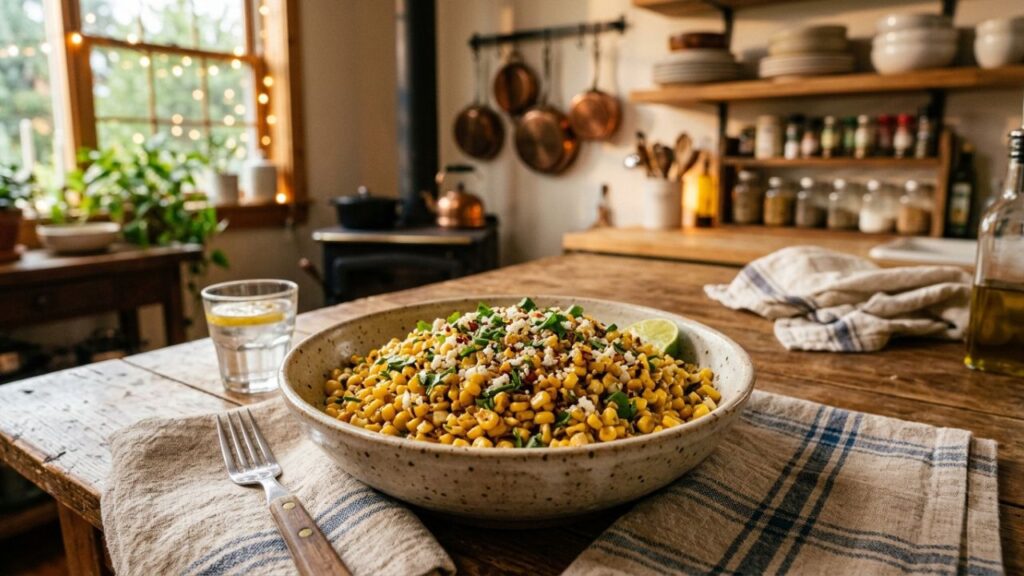
Conclusion
Sautéed corn may seem simple, but its subtle sweetness, toasty depth, and versatility make it a favorite in any kitchen. Paying attention to heat, seasoning, and timing transforms ordinary kernels into a vibrant side or highlight of your meals. Cooking thoughtfully and enjoying the process turns a routine dish into something memorable.