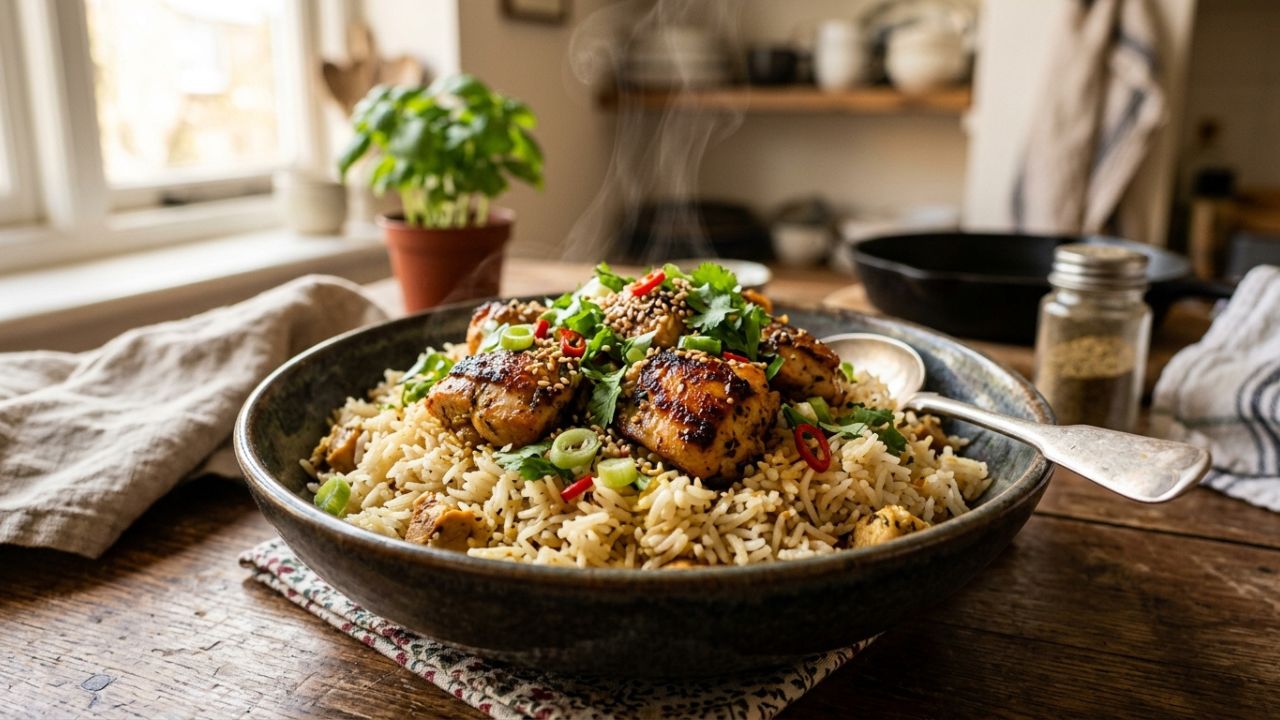
Chicken flavored rice is one of those dependable dishes that quietly earns its place in everyday cooking. At its core, it is a combination of rice cooked in a seasoned broth with tender pieces of chicken, resulting in a meal that is both comforting and practical. It does not rely on complicated techniques or rare ingredients, which makes it accessible to cooks at all levels. What makes this dish especially important in the kitchen is its versatility. It can be prepared as a quick weekday dinner or slowly developed into a richer, more layered dish when time allows. The balance of protein, grains, and flavor makes it a complete meal in itself, reducing the need for multiple dishes.
This meal is particularly appreciated by busy households, students, and anyone looking for a satisfying homemade option without excessive effort. In my own kitchen, I often turn to chicken flavored rice when I want something reliable that still feels thoughtfully prepared, especially on evenings when time is limited but I still want a proper meal.
What Is Chicken Flavored Rice
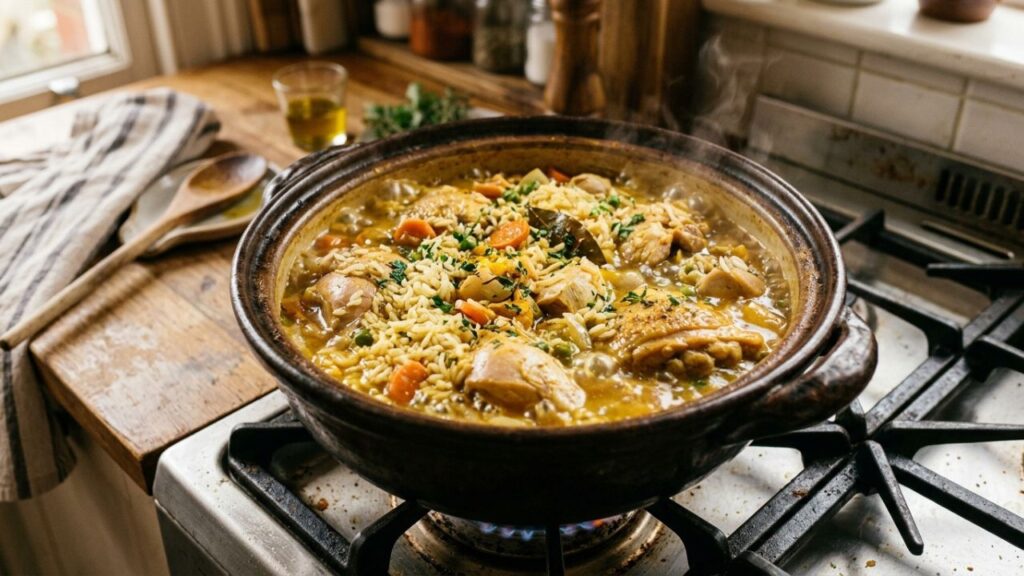
Chicken flavored rice is a savory dish made by cooking rice in a broth that has been infused with chicken and aromatic ingredients. Unlike plain boiled rice, this dish absorbs flavor during the cooking process, resulting in each grain carrying a subtle richness.
Key Ingredients
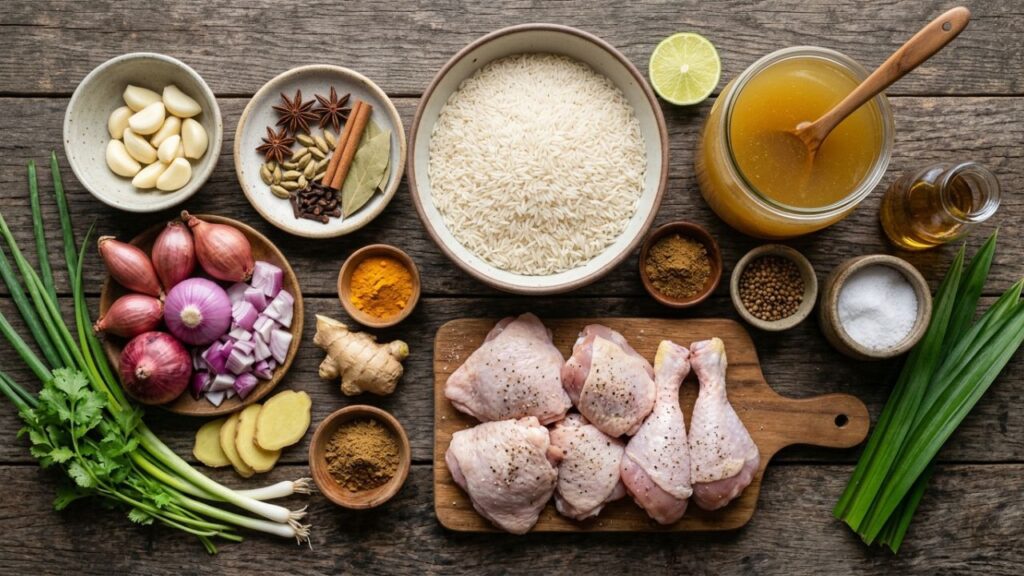
- Rice, typically long grain or basmati
- Chicken, either bone-in or boneless
- Broth or stock
- Onion, garlic, and sometimes ginger
- Mild spices such as black pepper or bay leaf
Culinary Background
This dish exists in many forms across different food traditions. While the ingredients may vary slightly, the core idea remains the same. Rice is cooked together with chicken to create a cohesive, flavorful meal. Its widespread presence reflects how practical and nourishing it is.
Flavor Profile
Chicken flavored rice is known for its balanced taste:
- Savory and gently rich
- Lightly aromatic
- Mildly spiced, allowing the chicken flavor to stand out
Traditional Preparation
The process usually begins with browning the chicken to develop flavor. Aromatics are then cooked in the same pot, followed by rice and liquid. Everything is simmered together until the rice absorbs the broth and becomes tender.
Why It Works So Well
Flavor Balance
This dish succeeds because it builds flavor in layers. The chicken provides depth, while the broth carries seasoning throughout the rice. Onions add a mild sweetness, and spices contribute warmth without overwhelming the dish.
Texture Contrast
A well-cooked pot offers a satisfying mix of textures:
- Soft but separate grains of rice
- Juicy, tender chicken
- Slightly crisp edges if the chicken is seared properly
Nutritional Value
Chicken flavored rice provides a balanced meal:
- Protein from chicken supports muscle health
- Carbohydrates from rice provide energy
- Optional vegetables can increase fiber and vitamins
Cooking Techniques
Several simple techniques make a difference:
- Searing enhances flavor
- Simmering ensures even cooking
- Resting allows moisture to redistribute
Everyday Use
It fits easily into daily routines because it is:
- Cooked in one pot
- Easy to scale for different portions
- Adaptable based on available ingredients
Ingredients Guide What to Look For
Quality Indicators
Choosing the right ingredients improves the final result:
- Rice should be clean, dry, and free from excess broken grains
- Chicken should have a fresh smell and firm texture
- Broth should taste balanced, not overly salty
Ingredient Substitutions
Flexibility is one of the strengths of this dish:
- Brown rice can replace white rice, though it needs longer cooking
- Boneless chicken thighs can be used instead of whole pieces
- Water with spices can substitute for broth in simple versions
Seasonal Considerations
- In warmer months, lighter herbs can brighten the dish
- In cooler seasons, deeper spices create warmth
Budget Friendly Options
- Use leftover roasted chicken
- Make a quick broth using bones and vegetable scraps
- Reduce the amount of meat and add vegetables instead
Pantry Staples That Help
- Bay leaves for depth
- Whole spices for aroma
- A small amount of lemon juice to balance richness
Step by Step Cooking Method
1 Prepare the Ingredients
- Rinse rice until the water runs clear
- Pat the chicken dry and season lightly
This step ensures the rice cooks evenly and the chicken browns properly.
2 Sear the Chicken
Heat oil in a heavy pot over medium heat:
- Place chicken pieces and cook until golden on both sides
- Remove and set aside
The surface should develop a light brown color, which adds depth to the dish.
3 Cook the Aromatics
In the same pot:
- Add chopped onions and cook until soft
- Stir in garlic and spices
You should notice a warm, inviting aroma at this stage.
4 Add Rice and Liquid
- Stir in the rinsed rice
- Pour in broth and mix gently
The rice should be evenly coated before simmering.
5 Combine and Cook
- Return chicken to the pot
- Cover and cook on low heat for 18 to 25 minutes
Avoid lifting the lid too often, as this can disrupt the cooking process.
6 Let It Rest
- Turn off the heat and let the pot sit covered for 5 to 10 minutes
This allows the rice to finish steaming and improves texture.
Troubleshooting Tips
- If rice feels undercooked, add a small amount of water and continue cooking
- If too wet, cook uncovered briefly to remove excess moisture
Optional Variations
- Add peas or carrots for color and nutrition
- Include mild spices for extra flavor
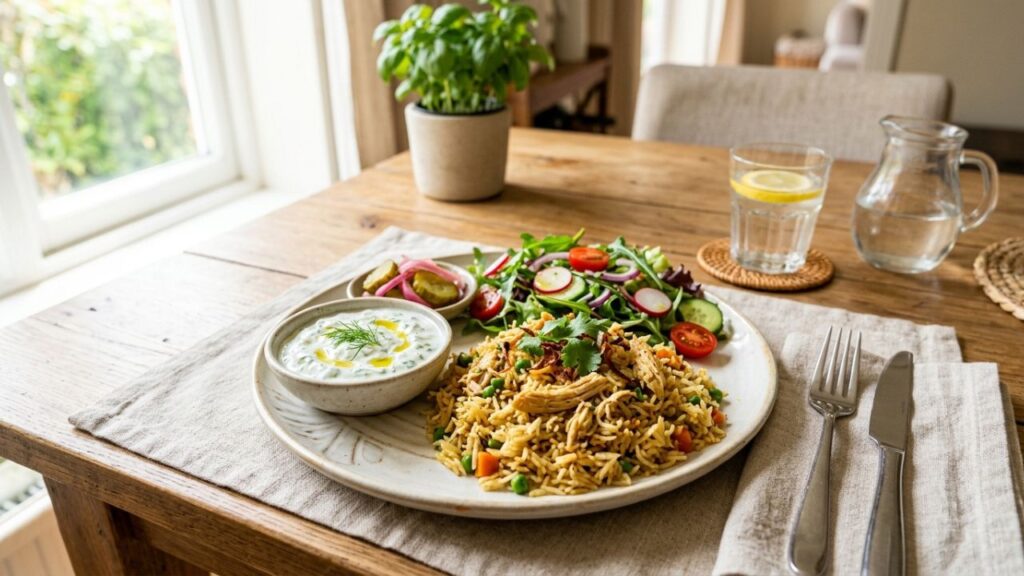
Serving Suggestions
Chicken flavored rice is versatile enough to stand on its own, but thoughtful pairings can enhance the experience.
Ideal Pairings
- A fresh salad with light dressing
- Yogurt or a simple sauce
- Pickled vegetables for contrast
Plating Ideas
- Serve in a wide bowl for even distribution
- Garnish with herbs for a fresh finish
For Gatherings
- Present in a large dish for sharing
- Keep warm in a covered pot until serving
Portion Tips
- Cook smaller portions for one or two people
- Use leftovers for next day meals
Seasonal or Occasion Variations
Spring and Summer
- Add fresh herbs like parsley
- Include light vegetables such as peas or beans
Fall and Winter
- Use richer broth
- Add warming spices for comfort
Special Occasions
- Include nuts or dried fruits for added texture
- Serve with additional side dishes for variety
Refreshing Leftovers
- Turn into fried rice
- Serve with eggs for a quick meal
- Use as filling for wraps
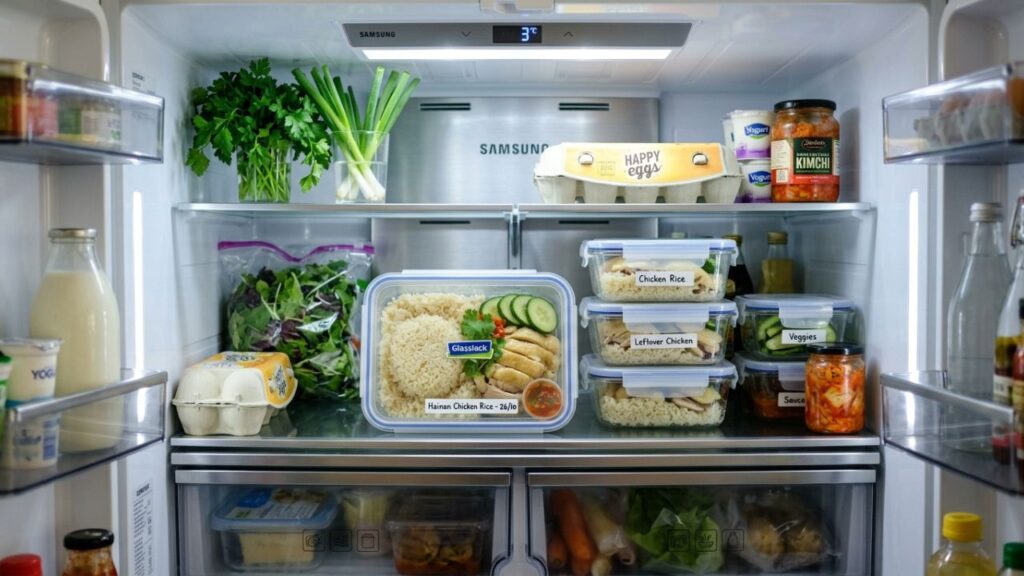
Storage and Reheating Tips
Storage Methods
- Allow the dish to cool completely
- Store in airtight containers
Refrigeration
- Keeps well for 3 to 4 days
Freezing
- Can be frozen in portions for up to 2 months
Reheating
- Add a splash of water before reheating
- Warm gently on the stove or in the microwave
Food Safety
- Ensure food is heated thoroughly before eating
- Avoid reheating multiple times
Common Mistakes to Avoid
Overcooking or Undercooking
Too much heat can dry the rice, while too little leaves it firm.
Incorrect Seasoning
Under seasoning leads to bland results, while too much salt can overpower the dish.
Poor Preparation
Skipping steps like rinsing rice or drying chicken affects the final texture.
Skipping Resting Time
This can lead to unevenly cooked rice.
Texture Problems
Too much liquid makes rice mushy, while too little makes it dry.
FAQs
Can I use leftover chicken
Yes, add it toward the end of cooking so it does not become overcooked.
What type of rice is best
Long grain rice works best for a light and fluffy texture.
How do I avoid sticky rice
Rinse the rice thoroughly and measure liquid carefully.
Can I make it without broth
Yes, use water and add spices for flavor.
Is it good for meal prep
Yes, it stores and reheats very well.
Can I add vegetables
Yes, vegetables like peas and carrots work well in this dish.
Conclusion
Chicken flavored rice is a reminder that simple cooking can still be deeply satisfying. With just a few ingredients and careful attention to technique, it is possible to create a meal that feels complete and comforting. Taking the time to build flavor through small steps, such as browning the chicken or allowing the rice to rest, can make a noticeable difference. The result is a dish that is balanced, nourishing, and adaptable to many situations. Whether prepared for a quiet dinner at home or shared with others, this dish offers both ease and enjoyment. It is the kind of meal that fits naturally into everyday life while still feeling thoughtfully made.
About the Author
The author is a passionate home cook and food writer who enjoys creating simple, flavorful meals that anyone can prepare. With a focus on practical techniques and balanced cooking, they aim to make everyday dishes more enjoyable. Their approach is rooted in experience, curiosity, and a genuine love for home-cooked food.